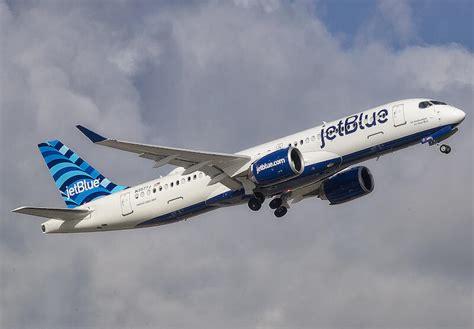
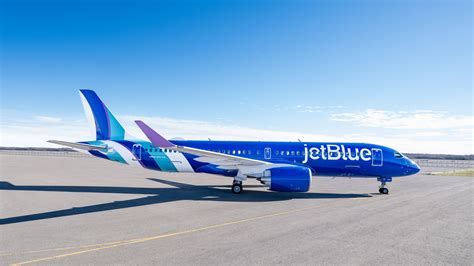
JetBlue has moved to secure a one-year exemption from the Federal Aviation Administration after Airbus indicated it will miss a key US compliance deadline for the Airbus A220. The issue centers on the installation of secondary cockpit barriers, a security measure designed to strengthen flight deck protection and reduce the risk of unauthorized access during flight.
If the request is approved, JetBlue would gain until July 31, 2027, instead of the current July 31, 2026 deadline. The extension would allow the airline to continue operating dozens of A220 aircraft without removing them from service during a crucial fleet growth period.
The development highlights a growing tension between aviation safety mandates, aircraft manufacturing bottlenecks, and airline operational realities. It also places Airbus under renewed scrutiny as one of its most strategically important narrowbody programs encounters a regulatory timing problem in the United States.
JetBlue is among the most exposed carriers because it operates one of the largest A220 fleets in America, making any delay especially significant for route planning, scheduling, and capacity management.
Why the FAA Cockpit Barrier Deadline Matters
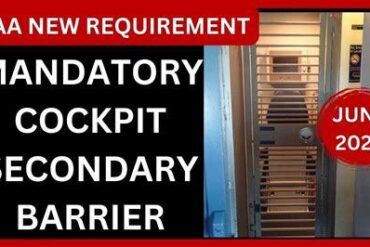
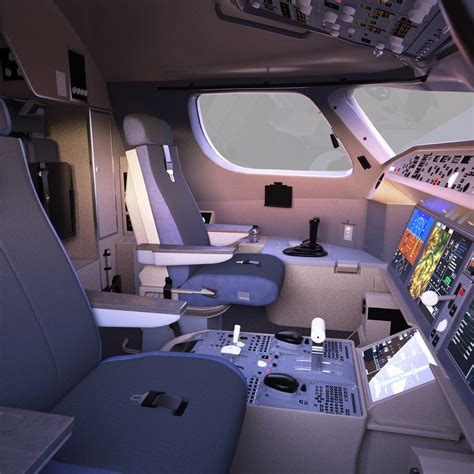
Secondary cockpit barriers are not the primary cockpit door. Instead, they act as an additional protective layer between the passenger cabin and the reinforced flight deck door. When pilots open the cockpit door during flight—for lavatory breaks, meal service, or crew movement—the secondary barrier helps block access from the cabin.
The concept gained urgency after the September 11, 2001 terrorist attacks, which exposed severe cockpit security vulnerabilities across global aviation. While cockpit doors were hardened soon afterward, regulators spent years debating how to manage those moments when the door must briefly open.
Only in recent years did the FAA finalize rules requiring most newly affected aircraft to install these barriers. That made July 2026 a critical deadline for fleets still awaiting compliant systems.
For regulators, the barrier is a practical safety upgrade. For airlines, it is another major retrofit requirement involving certification, training, maintenance downtime, and supply chain coordination.
Airbus Says Certification and Supplier Constraints Caused Delay
According to industry reporting, Airbus informed regulators and operators that it would not meet the FAA deadline for A220 installations. The manufacturer reportedly cited two primary causes: certification delays and limited supplier production capacity.
Certification can be more complicated than it appears. Even a relatively simple security barrier must satisfy structural, emergency access, operational, and human factors requirements. It must function correctly in real-world airline environments while not interfering with evacuation procedures or crew movement.
At the same time, aerospace suppliers continue to face post-pandemic strain. Shortages of specialized parts, labor constraints, and slower production recovery have affected programs across the industry. In this case, the physical barrier supplier reportedly lacks enough output to equip all affected aircraft before the deadline.
Airbus also noted that operators need months to complete training and implementation steps once hardware becomes available, creating another time pressure that cannot be solved simply by shipping parts late.
Why JetBlue Is Pushing Hard for Relief
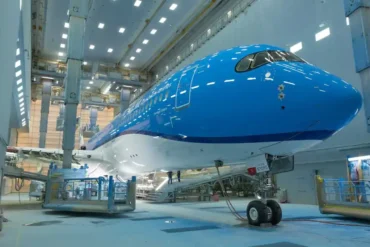
JetBlue has built the Airbus A220 into a central pillar of its modernization strategy. The aircraft offers lower fuel burn, quieter cabins, and strong economics on medium-density domestic routes. It is also replacing older Embraer aircraft and supporting network efficiency.
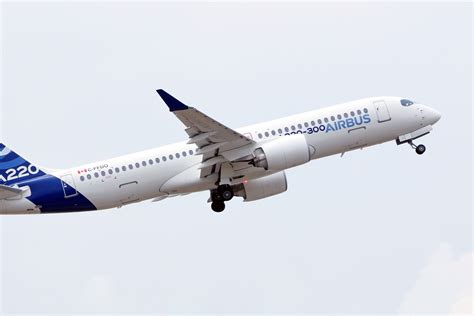
The airline currently operates 62 Airbus A220-300s, with more on order. That gives JetBlue one of the largest A220 presences in the United States. If those aircraft faced grounding risks or operational restrictions because of missed retrofit deadlines, the disruption could be substantial.
That is why JetBlue’s exemption request is more than administrative paperwork. It is a direct effort to preserve schedule integrity, protect capacity, and avoid unnecessary fleet downtime.
A forced removal of even part of the A220 fleet could impact route frequencies, aircraft substitutions, crew rotations, and customer reliability during busy travel periods.
The A220’s Growing Importance in the US Market
The timing is particularly notable because the A220 has become one of the most valuable aircraft types in North America. It occupies a sweet spot between larger regional jets and traditional narrowbodies, allowing airlines to profitably serve routes that may be too thin for bigger aircraft.
JetBlue is a leading operator, but it is not alone. Delta Air Lines remains the largest A220 family operator in the US when combining A220-100 and A220-300 fleets. Breeze Airways has also embraced the type aggressively as it expands point-to-point service.
Thousands of monthly departures from US airports now rely on the A220 family. That means certification or retrofit delays do not affect just one airline—they ripple through schedules, fleet planning, and passenger operations across the market.
Safety Rules vs Operational Reality
The FAA now faces a familiar regulatory balancing act: maintain security standards while recognizing practical implementation barriers outside an airline’s direct control.
Granting JetBlue an exemption would not necessarily signal weakened safety policy. Regulators often provide temporary relief when manufacturers, suppliers, or certification timelines make compliance impossible by the original date. Similar accommodations have been seen elsewhere in the industry.
Still, repeated deadline extensions can attract criticism. Security advocates may argue that measures considered necessary should not be delayed again, especially more than two decades after 9/11 reshaped aviation policy.
That tension explains why this case matters beyond JetBlue or Airbus. It reflects how modern aviation regulation must reconcile urgent safety goals with the slow-moving realities of global aerospace production.
What Happens Next
The FAA must decide whether JetBlue’s request merits temporary immunity through July 2027. If approved, the airline would continue flying affected A220 aircraft while Airbus completes certification and production deliveries.
For JetBlue, the best outcome is continuity. For Airbus, the priority is restoring confidence and accelerating compliance. For passengers, the change would likely be invisible—unless delays trigger schedule disruption.
The larger message is clear: even highly successful modern aircraft programs remain vulnerable to bottlenecks in certification and supply chains. In commercial aviation, a seemingly modest cockpit barrier can become a fleet-wide strategic issue overnight.