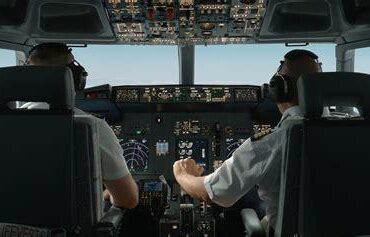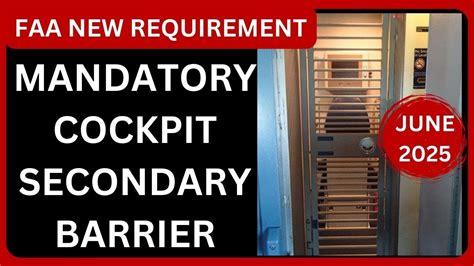
The Federal Aviation Administration (FAA) has officially granted U.S. airlines an additional year to comply with the installation of secondary cockpit barriers on new commercial aircraft, moving the original deadline from August 2025 to August 2026. This decision, while welcomed by some industry stakeholders, has sparked heated discussions among security advocates, airline associations, and pilots’ unions, raising questions about the balance between operational feasibility and aviation security.
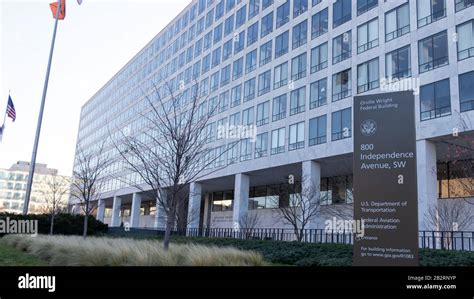
Why the FAA Granted the Extension
The FAA’s decision came after regional carriers and Airlines for America (A4A), a major industry advocacy group, pushed for more time to meet the complex certification and training requirements associated with installing these barriers. According to A4A, the current lack of fully certified barrier designs made it nearly impossible for carriers to meet the original timeline without significant operational disruptions.
“Our request was simply a reflection of the practical fact that there is a current lack of FAA certification of secondary barriers,” an A4A spokesperson explained. Originally, regional airlines had requested a two-year delay, but the FAA settled on a one-year extension.
Strong Opposition from Pilots and Lawmakers
Despite industry support for the extension, pilot unions and some lawmakers have expressed frustration with the delay. Jason Ambrosi, President of the Air Line Pilots Association (ALPA), strongly criticized the move:
“The FAA’s decision to grant airlines yet another delay on the secondary barrier rule is deeply disappointing and undermines our nation’s aviation security.”
Similarly, Indiana Representative André Carson condemned the reliance on temporary makeshift solutions, such as using beverage carts to block cockpit entrances during pilot breaks, arguing that this does not provide adequate protection against potential threats.
Background: The Push for Secondary Cockpit Barriers
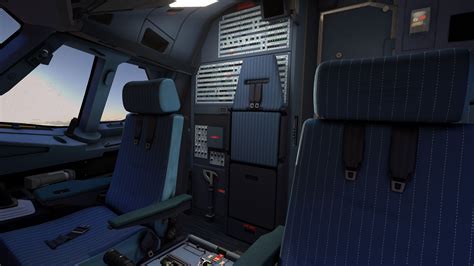
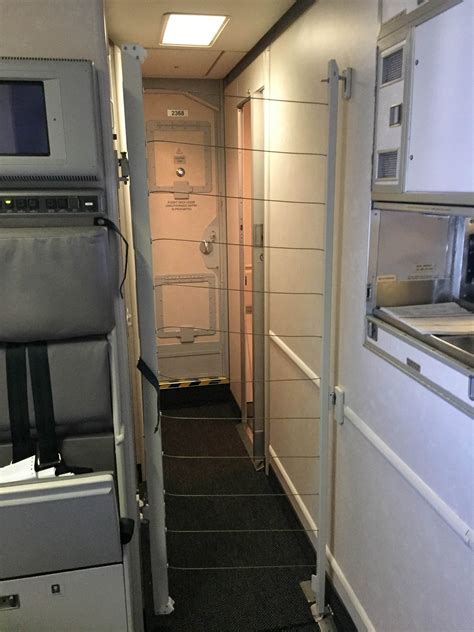
The call for stronger cockpit security dates back more than two decades, following the September 11, 2001 terrorist attacks, which exposed critical vulnerabilities in cockpit access. While reinforced cockpit doors became mandatory post-9/11, the secondary barrier—a lightweight, retractable gate or barricade designed to prevent unauthorized access when the cockpit door is open—remained a debated issue for years.
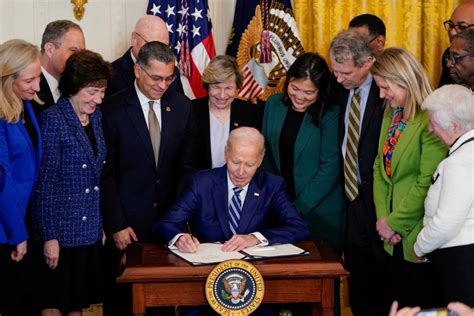
In June 2023, the FAA proposed a rule requiring all newly manufactured commercial aircraft to include secondary cockpit barriers. This rule applied specifically to scheduled airlines, excluding charter carriers from the mandate. In May 2024, President Joe Biden signed the FAA Reauthorization Act of 2024, making these barriers a legal requirement on all new aircraft delivered through at least 2028. The National Transportation Safety Board (NTSB) has authority to extend the requirement beyond that date.
Current Stopgap Security Measures
Until the barriers are fully implemented, airlines have resorted to temporary measures to maintain cockpit security. This includes placing galley carts or crew members in the aisle when pilots need to leave the flight deck. While these solutions meet basic compliance requirements, critics argue that they remain inadequate against potential security breaches.
“Airlines shouldn’t have to rely on beverage carts to secure their flight decks,” Carson stated, emphasizing that these measures are more symbolic than truly protective.
Safety vs. Operational Feasibility: The Core Debate
The delay underscores a fundamental tension between safety priorities and operational feasibility. Airlines argue that retrofitting barriers without proper certification risks costly disruptions, while security experts and pilot organizations contend that every day without full implementation leaves flight crews vulnerable.
The FAA defended its decision by stressing the need for thorough testing and certification before mass deployment. A spokesperson explained that rushing installations without proper oversight could compromise the integrity of the barriers themselves.
Industry Response and Next Steps
While some airlines are relieved by the deadline extension, the debate over cockpit security is far from settled. Pilot unions continue to lobby for an expedited rollout, while lawmakers have hinted at introducing stricter oversight to prevent further delays.
The extended compliance timeline gives manufacturers and airlines additional breathing room to work on certification, design refinements, and crew training. However, with the new deadline set for August 2026, the pressure remains on the FAA to ensure that these barriers are fully tested and ready for implementation.
Long-Term Implications for Aviation Security
The debate over secondary cockpit barriers highlights the evolving landscape of aviation security. While the reinforced cockpit doors introduced post-9/11 were a major step forward, experts argue that secondary barriers are a critical next layer of defense, especially during in-flight operations when cockpit doors must be temporarily opened.
If properly implemented, these barriers could serve as a permanent deterrent against hijacking attempts, potentially reshaping global cockpit security standards. The U.S. model could become a benchmark for other aviation authorities worldwide, setting new expectations for commercial flight safety.
Conclusion
The FAA’s decision to extend the compliance deadline for secondary cockpit barriers to August 2026 has ignited a complex debate within the aviation community. While the move provides airlines with critical time to navigate certification and installation challenges, it has also drawn strong criticism from pilots, security advocates, and lawmakers who view any delay as a direct compromise to passenger and crew safety.
As the industry works toward compliance, the coming months will be crucial for finalizing barrier designs, completing certification processes, and ensuring that U.S. aviation remains at the forefront of global flight deck security standards.