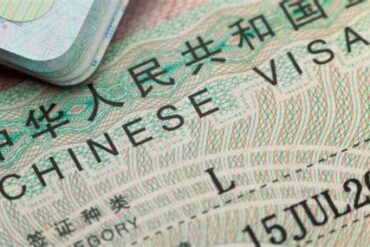
China’s ambitious travel policy shift has ushered in a new era of visa-free access for transit passengers from 55 countries, a move expected to catalyze international tourism, diplomatic engagement, and cross-border commerce. Effective June 12, 2025, the 240-hour (10-day) visa-free transit policy is now open to travelers from key global economies such as Indonesia, Russia, the United Kingdom, Germany, France, and Japan, among others. This transformative update replaces older, more restrictive regional transit rules with a vastly more flexible framework aimed at revitalizing inbound tourism and promoting China as a gateway for international travelers.
Global Expansion: A Significant Leap in Accessibility
Previously restricted to a limited number of nationalities and specific regions, the newly expanded visa-free transit initiative now encompasses Europe, the Americas, Asia, and Oceania. A total of 55 countries can now leverage the policy across 60 entry points in 24 Chinese provinces and municipalities, significantly widening access to one of the world’s most historically and culturally rich nations.
Included Countries at a Glance:
- Europe (40 countries): Including France, Germany, Russia, the UK, Italy, and Sweden.
- Americas (6 countries): Including the United States, Brazil, and Canada.
- Oceania (2 countries): Australia and New Zealand.
- Asia (7 countries): Including Japan, Indonesia, South Korea, and Singapore.
This broad inclusion signals China’s commitment to opening its doors wider to the global community—offering a flexible, streamlined alternative for transiting travelers who wish to make the most of their stopover.
How the Policy Works: Eligibility and Entry Requirements
To qualify for the 240-hour visa-free transit, travelers must adhere to several straightforward criteria:
- Hold a passport from one of the 55 eligible nations.
- Present a confirmed onward ticket to a third country or region within 240 hours of entry.
- Submit a completed Arrival/Departure Card upon arrival.
- Have no history of visa refusals or immigration violations in the past five years.
Importantly, travelers must be in transit—entering China en route to a third destination, not as their final stop. For instance, a British citizen flying from London to Bangkok via Shanghai may stay in China for up to 10 days without a visa.
Permitted activities include tourism, family visits, business exploration, and cultural exchanges. However, employment, study, and journalism remain off-limits unless the traveler obtains the proper visa in advance.
No More Regional Limitations: Explore Freely Within 240 Hours
One of the most significant enhancements to the program is the elimination of regional restrictions. Previously, travelers had to remain within a single transit zone, but under the updated rules, visitors can travel between different Chinese cities and provinces as long as they remain within the designated 240-hour window.
For instance, a traveler landing in Shanghai can now board a high-speed train to Xi’an to marvel at the Terracotta Army, then proceed to Chengdu to enjoy spicy Sichuan cuisine and visit the Giant Panda Breeding Base, before flying out of Beijing. This flexibility turns an ordinary layover into a curated, multi-destination Chinese adventure.

Must-See Destinations: Make the Most of Your 10 Days
With 10 full days at their disposal, travelers are no longer limited to short, rushed experiences. Instead, they can embark on richly immersive journeys throughout China’s sprawling geography and cultural landscape:
- Beijing: Explore the Great Wall of China, the Forbidden City, and Tiananmen Square.
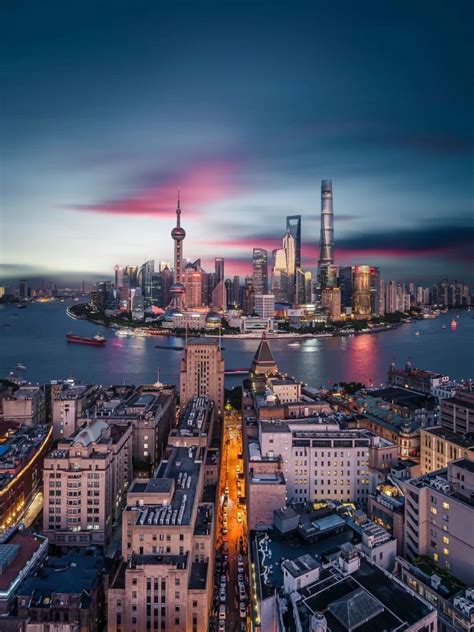
- Shanghai: Stroll along The Bund, ascend the Oriental Pearl Tower, and dine in futuristic skyscrapers.
- Xi’an: Discover the legacy of the first Chinese emperor through the Terracotta Warriors and ancient city walls.
- Chengdu: Visit the Chengdu Panda Base, savor world-renowned hotpot, and soak in Sichuan opera.
- Hangzhou: Wander around the tranquil West Lake, a UNESCO World Heritage site.
These sites showcase the diversity of Chinese culture, from imperial grandeur to modern urban elegance, and from natural serenity to culinary indulgence.

Strategic Vision: Economic and Diplomatic Gains
China’s expanded visa-free transit program is more than a tourism strategy—it is a diplomatic overture and economic initiative. By easing access for major trading partners and political allies, the Chinese government aims to:
- Boost inbound tourism revenues, particularly in post-pandemic recovery years.
- Enhance people-to-people diplomacy and intercultural understanding.
- Facilitate short-term business travel, fostering foreign investment and partnerships.
- Reposition China as a central hub for international air transit and logistics.
In a global environment increasingly shaped by soft power and mutual exchange, this policy sends a clear message: China is open for connection, dialogue, and exploration.
Airports and Ports: Where Can You Enter?
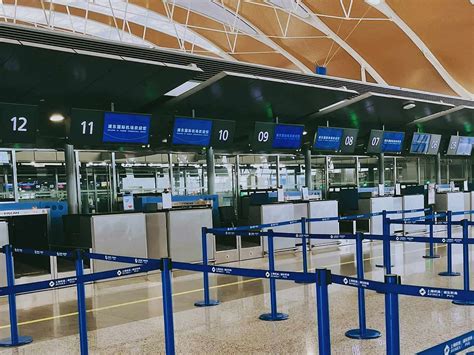
Eligible travelers can access China through 60 designated ports, including key international airports such as:
- Beijing Capital International Airport (PEK)
- Shanghai Pudong International Airport (PVG)
- Guangzhou Baiyun International Airport (CAN)
- Chengdu Shuangliu International Airport (CTU)
- Hangzhou Xiaoshan International Airport (HGH)
Land border checkpoints and seaports in select provinces are also included, allowing for cross-border rail and ferry arrivals, particularly from Russia and Southeast Asia.
Important Travel Considerations and Tips
To ensure a seamless experience while benefiting from the 240-hour visa-free transit, travelers should prepare with care:
- Documentation: Make sure your passport is valid for at least 3 months beyond your departure date.
- Ticketing: Carry a confirmed onward ticket with evidence of departure within 240 hours.
- Immigration Form: Complete the Arrival/Departure Card either online or at the port of entry.
- Legal Compliance: Stay away from unauthorized work, academic, or journalistic activities.
- Customs Etiquette: Respect local laws and cultural norms, particularly in religious or traditional areas.
China’s Gateway to the World
As global mobility rebounds and air traffic returns to pre-pandemic levels, China’s bold visa policy places the country squarely back on the international travel map. This is not merely a logistical update; it’s a geopolitical gesture of goodwill, a nod to global travelers, and an open invitation to discover a land that bridges the ancient and the futuristic.
With its dynamic cities, timeless heritage, and efficient infrastructure, China offers not just a transit route—but an opportunity to witness the transformation of a civilization that continues to influence the world stage.
The 240-hour visa-free transit is a practical gift to global travelers, an economic tool for recovery, and a cultural bridge between nations. For anyone holding a passport from one of the 55 eligible countries, the next layover in China could be the start of an unforgettable 10-day journey through the heart of Asia.