In 2025, Southeast Asia, long celebrated for its hospitality, rich cultures, and accessible tourism, has become a hotbed for outrageous visa-free travel scams that are severely undermining trust in the region’s travel systems. Thailand, Vietnam, Indonesia, Laos, Cambodia, and Myanmar—all popular destinations for global tourists—are grappling with an unprecedented surge in fraudulent schemes targeting unsuspecting travelers. From fake e-visa websites and illegal visa services to human trafficking and forced labor tied to online fraud, the situation has spiraled into a regional crisis. These scams not only lead to financial loss but are also entangled with serious crimes like cyber fraud and modern slavery, threatening the safety of millions of tourists and workers. Tourists planning trips to these destinations must stay informed, vigilant, and cautious, prioritizing trip safety above all.
Thailand: A Growing Hub of E-Visa Fraud and Student Visa Scandals
Thailand has historically been at the forefront of Southeast Asia’s booming tourism sector. But in 2025, the kingdom faces damaging visa scams that threaten to taint its reputation. One of the most concerning scams involves fake e-visa websites that mimic official portals. These fraudulent sites charge exorbitant fees—often several times the government’s approved rates—only to leave applicants empty-handed, without a valid visa. According to warnings issued by VFS Global, many travelers have unknowingly fallen prey to these schemes, losing significant sums in the process.
Another scandal erupted when a Buddhist university in Chiang Mai was found to have issued student visas illegally. This scheme primarily targeted Chinese nationals who entered Thailand under the guise of education but used the visa for unrelated purposes. Such scams exploit the student visa system, not only tarnishing the integrity of Thai institutions but also enabling broader networks of visa abuse and illegal migration.
Laos: Hidden Costs and Entry Stamp Deception at Borders
Laos, often seen as a peaceful and serene destination, has been deeply affected by e-visa scams that drain tourists’ wallets. Many visitors reported being charged up to \$135 for e-visas that officially cost only \$52. The overcharges stemmed from unofficial websites designed to look like government platforms, leading to widespread confusion and financial losses.
Equally disturbing is the entry stamp scam perpetrated by some Lao immigration officers. In this scheme, tourists pay for their visas but do not receive the essential entry stamp, leaving them vulnerable to fines or legal trouble upon departure. The lack of oversight and transparency at various checkpoints and airports has turned what should be a simple travel process into a nerve-wracking ordeal for many.
Cambodia: A Nexus of Fraudulent E-Visa Sites and Political Complicity
Cambodia’s tourism sector is similarly marred by fake e-visa websites that mislead travelers into purchasing invalid documents at inflated prices. The Royal Embassy of Cambodia in Washington, D.C., has gone as far as publishing lists of known fraudulent sites, urging travelers to remain cautious and use official government platforms exclusively.
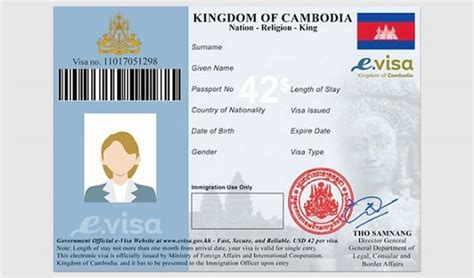
Even more troubling is the suspected political complicity in these operations. Reports from the Business & Human Rights Resource Centre allege that elements of Cambodia’s political elite have shielded online fraud and human trafficking networks. These operations have been linked to the exploitation of vulnerable workers from neighboring countries, further eroding the country’s standing on the global stage.
Vietnam: E-Visa Exploitation and Embassy Impersonation Scams
Vietnam’s rapid digitization of its visa application process has opened new avenues for fraudsters. Unofficial websites have sprouted up, charging excessive fees for visa services that often provide no guarantees of a valid visa. Travelers have reported frustration and financial loss, as these platforms offer little recourse when things go awry.
Adding to the distress, impersonation scams are on the rise. Fraudsters posing as embassy staff contact Vietnamese nationals and overseas Vietnamese, claiming visa issues or offering expedited services—for a fee. The Vietnamese Embassy in the U.S. has been vocal in warning citizens against these tactics, advising them to avoid disclosing personal details over the phone and to report suspicious calls immediately.
Myanmar: Forced Labor in Scam Centers Fuels a Global Cybercrime Network
Myanmar has become notorious for its role as a base for illegal scam centers that force thousands of trafficked workers into cyber fraud. These centers, often hidden behind the facade of legitimate businesses, operate vast online scams that victimize people worldwide. A February 2025 joint operation involving Thai, Myanmar, and Chinese authorities led to the rescue of over 7,000 people, many of whom were coerced into this dark industry.
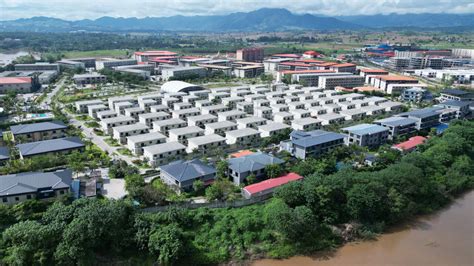
This criminal ecosystem has drawn the attention of the international community, sparking multi-country crackdowns. Authorities across Asia are working in concert to dismantle these networks, but the challenges are immense given the deep-rooted corruption and the scale of operations.
Indonesia: A Tragic Export of Trafficked Workers to Scam Operations
Indonesia, too, has suffered from the surge in visa and labor scams, particularly in the form of human trafficking for scam centers. Reports indicate that over 6,800 Indonesians have been trafficked to work in fraudulent operations across Myanmar, Cambodia, and Laos. Lured by promises of legitimate jobs abroad, these victims end up trapped in cybercrime hubs, forced to participate in online fraud schemes.
In February 2025, one high-profile rescue operation freed 84 Indonesians from scam centers in Myanmar. These dramatic rescues highlight the critical need for stronger immigration policies, labor protections, and international cooperation to combat these exploitative networks.
The Impact of Visa-Free Travel Scams on Regional Tourism and Safety
The rise of visa-related scams has delivered a serious blow to Southeast Asia’s tourism sector. Once regarded as a safe, affordable, and welcoming region, these countries now face declining trust from international travelers. Tourists, fearful of fraud, may opt for other destinations or cancel trips entirely, leading to economic losses for local businesses dependent on visitor spending.
More alarmingly, these scams often mask deeper crimes—particularly human trafficking, forced labor, and online fraud. The profits generated by fraudulent visa schemes and scam centers fund criminal networks, perpetuating cycles of exploitation and violence. This complex web of crime poses a direct threat to the safety and security not only of tourists but also of local populations.
What Travelers Can Do to Stay Safe
In the face of these challenges, tourists must take proactive steps to protect themselves from visa scams:
- Always use official government websites for visa applications. Avoid third-party services that promise faster processing or better rates.
- Verify contact details when dealing with embassies or consulates. If in doubt, cross-check with official listings published by the government.
- Report suspicious activity to authorities. Whether it’s a fraudulent website or a scam phone call, reporting can help shut down these operations.
- Stay updated on travel advisories from your home country’s foreign office or embassy.
Governments in the region are stepping up efforts, from cracking down on fraudulent platforms to improving victim support systems, but it will take a collective effort—by officials, businesses, and individuals alike—to restore confidence in Southeast Asia as a safe destination.
The Road Ahead: Rebuilding Trust in Southeast Asian Tourism
The challenge before Southeast Asia is formidable. Rebuilding tourist trust will require not just swift action against scams but also long-term reforms in visa processing, border control, and law enforcement. Countries must work together to create transparent, secure travel systems that uphold the region’s reputation as a haven for travelers seeking rich experiences, cultural treasures, and natural beauty.
Until these issues are resolved, the best defense for tourists is vigilance. In an era where scams grow more sophisticated by the day, informed travelers are the region’s greatest allies in exposing fraud and ensuring that Southeast Asia can once again offer the safe, unforgettable journeys it was once famous for.