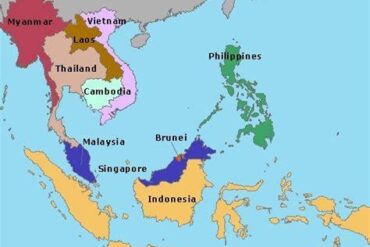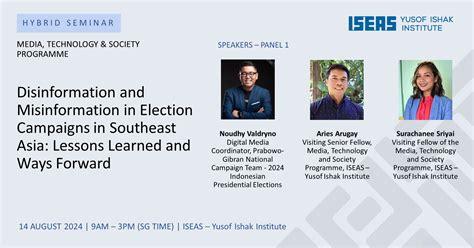
In recent years, Southeast Asia has emerged as a critical battleground against the rising tide of misinformation that threatens to undermine societal cohesion and public trust. Countries such as Indonesia, Myanmar, Singapore, Thailand, and Vietnam are increasingly recognizing the urgent need to bolster their media infrastructure and ecosystems in response to the growing misinformation challenge. This collaborative effort not only aims to counteract the proliferation of false information but also seeks to enhance public confidence and societal stability across the region.
As misinformation becomes more pervasive, it is essential for these nations to develop resilient media systems that can effectively address the unique challenges they face. The strategies being implemented include fostering greater transparency in media operations, enhancing media literacy among the public, and building robust digital infrastructures that support accurate information dissemination. These efforts are particularly crucial in a region where social media plays a significant role in shaping public discourse.
Collaborative Approaches to Misinformation
The collaborative approach adopted by these Southeast Asian nations signifies a proactive stance against misinformation. By pooling resources and sharing best practices, countries can develop comprehensive strategies that are tailored to their specific contexts while benefiting from collective experiences. For instance, Indonesia has initiated various programs aimed at improving media literacy, which empower citizens to critically evaluate the information they consume. This educational aspect is vital, as it equips individuals with the tools needed to discern credible sources from unreliable ones.
Moreover, Myanmar is tackling misinformation through innovative means, including community-based initiatives that encourage local participation in fact-checking efforts. These grassroots movements not only help in combating false narratives but also foster a sense of community resilience against misinformation. Such initiatives underline the importance of local engagement in the fight against misinformation, as residents are often the first line of defense against misleading information that affects their communities.
Enhancing Media Ecosystems
Singapore stands out with its strong emphasis on creating a trustworthy media ecosystem. Recognizing that credible media outlets are essential in navigating today’s complex information landscape, the government is investing significantly in media infrastructure. This includes funding for independent journalism and initiatives aimed at reinforcing ethical reporting standards. The nation understands that in an age where fake news spreads rapidly, the role of reliable journalism becomes even more critical in guiding public opinion and ensuring a well-informed citizenry.
In addition to this, Thailand is experiencing economic downturns that have implications for its media landscape. The government’s crackdown on organized crime, particularly in the online gambling sector, reflects a broader commitment to maintaining integrity within its media and entertainment sectors. As the tourism industry grapples with challenges, the government is keenly aware that a transparent and trustworthy media narrative can play a pivotal role in restoring confidence among both locals and tourists.
Building Digital Infrastructure
Meanwhile, Vietnam is making strides in regulating its burgeoning e-commerce market as part of its broader strategy to combat misinformation. The new regulations, which will require all online products to be quality certified, aim to protect consumers and ensure that they receive accurate information about the products they purchase. This move not only enhances consumer safety but also contributes to a more reliable digital marketplace, thereby reducing the potential for misinformation related to product quality and safety.
The upcoming Vietnam–Cambodia Business Networking Conference is another example of how Vietnam is strengthening trade relations while emphasizing the importance of transparency in commerce. By bringing together businesses from both countries, the conference serves as a platform for discussing trade opportunities and establishing standards that can mitigate misinformation in business practices.
The Role of Education and Awareness
Crucially, the development of media literacy programs is a cornerstone of the initiatives undertaken by these nations. As misinformation continues to evolve, educating the public about its dangers and teaching them how to verify information is paramount. Governments and non-governmental organizations are working hand-in-hand to create campaigns that raise awareness about the impact of misinformation and promote critical thinking skills.
In Indonesia, for instance, various educational campaigns aim to engage young people and equip them with the skills necessary to navigate the digital landscape safely. By instilling these values early on, the hope is to create a generation that is not only aware of misinformation but is also proactive in combating it.
Conclusion: A Unified Front Against Misinformation
The combined efforts of Indonesia, Myanmar, Singapore, Thailand, and Vietnam represent a unified front against the growing threat of misinformation in Southeast Asia. Through enhanced media infrastructure, increased transparency, and a commitment to education, these nations are taking significant strides toward creating a more informed public. As they continue to strengthen their media ecosystems, it is crucial for these countries to remain vigilant and adaptable in the face of an ever-evolving misinformation landscape. The road ahead may be challenging, but the collaborative spirit exhibited by these nations promises a brighter future for information integrity in the region.