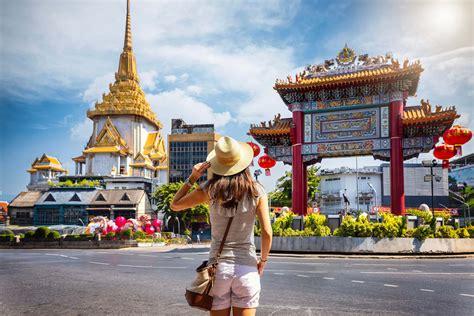
Thailand is currently grappling with significant challenges in its tourism sector, struggling to reclaim its status as the premier tourism hub in Asia. The country, once synonymous with vibrant culture, stunning landscapes, and a plethora of attractions, now finds itself in a fierce competition with Vietnam, which has emerged as a formidable player in the region’s tourism market. As Vietnam continues to attract substantial investments in infrastructure and tourism development, Thailand faces increasing pressure to adapt and innovate in order to maintain its appeal.
The landscape of tourism in Southeast Asia has become markedly more competitive, with Vietnam making remarkable strides in attracting international visitors. The country has implemented strategic investments in modern infrastructure, notably the construction of high-speed rail systems and the expansion of new hotels and attractions. These developments have positioned Vietnam as a serious contender for Thailand’s share of the tourism market, drawing in travelers who may have previously favored Thailand for their vacations. As a result, Thailand’s tourism numbers are struggling to keep pace, prompting urgent calls for the country to reassess its tourism strategy and investments.
Discussions at the recent SPLASH – Soft Power Forum 2025 underscored the pressing need for Thailand to diversify and revitalize its tourism offerings. Experts voiced concerns over the absence of new attractions that can captivate the interests of today’s travelers. While Thailand’s long-standing cultural heritage—epitomized by its majestic temples and historical landmarks—remains a cornerstone of its tourism appeal, there is an increasing demand for fresh narratives and experiences. Without ongoing development and innovation, Thailand risks losing its competitive edge in a rapidly evolving global tourism marketplace.
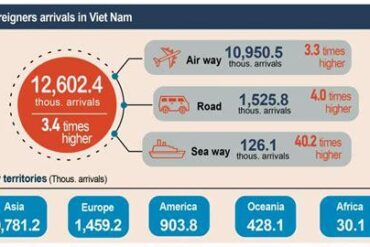
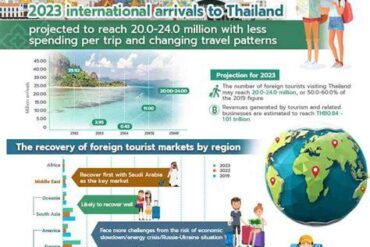
In the first half of 2025, Thailand recorded 16.6 million foreign visitors, representing a 4.6% decline compared to the same period in the previous year. This decline is particularly alarming when juxtaposed against the resurgence of tourism in neighboring countries like Vietnam and Malaysia, both of which have already surpassed their pre-pandemic visitor levels. The decrease in arrivals from China, a historically significant source of tourists for Thailand, further exacerbates the situation, with numbers plummeting by 34% year-on-year, resulting in just 2.26 million visitors in the first half of 2025.
In response to these challenges, the Tourism Authority of Thailand (TAT) has unveiled its ambitious 2026 strategy, encapsulated in the theme “Value is the New Volume.” This strategic pivot marks a departure from the traditional focus on mass tourism, steering towards a more sustainable, quality-driven approach that emphasizes environmental responsibility and balanced growth. The TAT aims not only to attract visitors but also to provide enriching experiences that resonate with the evolving demands of contemporary travelers.
The 2026 campaign, branded as “The New Thailand,” seeks to instill confidence among international visitors by promoting trust, safety, and inclusivity. The initiative highlights new tourism experiences, such as sports tourism and the exploration of lesser-known destinations, encouraging travelers to venture beyond Thailand’s well-trodden paths. By promoting locations aligned with UNESCO’s Creative Cities Network, Thailand is inviting tourists to engage with its diverse cultural offerings in innovative ways.
Sustainability stands as a central pillar of the new strategy, with the Thai government committed to fostering responsible tourism practices that not only benefit local communities but also preserve the environment. The goal is to create a tourism sector that attracts visitors while positively contributing to the conservation of Thailand’s rich cultural and natural heritage for future generations.
As Thailand navigates these challenges, it is essential to understand that tourism is not merely about numbers; it is about cultivating value, building trust, and fostering inclusivity. By prioritizing high-quality experiences, sustainable growth, and innovative practices, Thailand aims to not only recover from its current setbacks but to thrive as a premier global tourism destination in the long run.
While Thailand struggles to regain its tourism momentum, Vietnam’s strategic investments in infrastructure and tourism experiences are propelling its growth and positioning it as a rising competitor in Asia’s tourism market. With a renewed vision focused on sustainability, quality, and innovation, Thailand is determined to redefine its tourism industry, leveraging its rich cultural heritage to attract a diverse range of global travelers.

As the battle for tourist dollars intensifies in Southeast Asia, it is evident that both nations must adapt to the changing landscape. Vietnam’s proactive approach to attracting visitors through modern amenities and unique experiences presents a model that Thailand may need to emulate if it hopes to reclaim its status as a top-tier destination. The next few years will be crucial for Thailand as it seeks to embrace change, innovate its offerings, and ultimately reshape the narrative surrounding its tourism industry, ensuring it remains a vibrant player in the competitive arena of global travel.