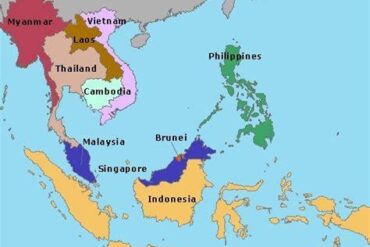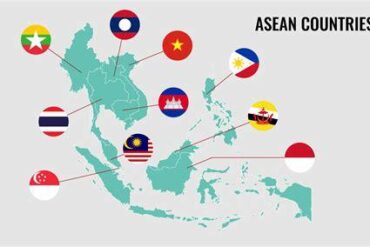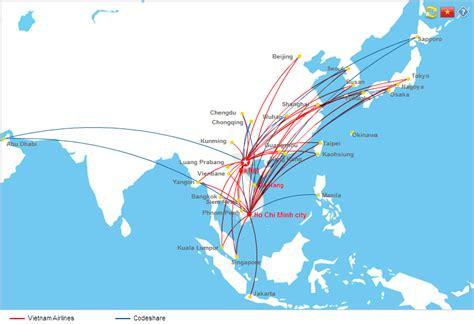
Vietnam Airlines is significantly reinforcing its presence across Southeast Asia by expanding its flight operations to Singapore and Bangkok, cementing both cities’ roles as critical regional aviation hubs. This strategic expansion is not only in response to increased travel demand during the 2025 summer peak season but also a decisive move to advance Vietnam’s aviation infrastructure and connectivity within the ASEAN region.
By bolstering its most heavily trafficked international routes—Ho Chi Minh City to Singapore and Ho Chi Minh City to Bangkok—Vietnam Airlines is positioning itself at the forefront of Southeast Asia’s airline resurgence, responding to post-pandemic travel patterns and heightened passenger expectations.
Singapore and Bangkok: The Core of ASEAN Air Travel
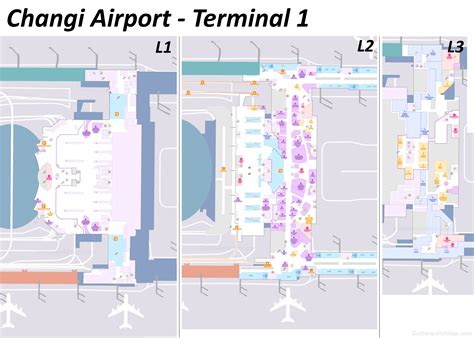
Singapore and Bangkok have long been recognized as the twin gateways of Southeast Asia. These cities serve not only as popular tourist destinations but as highly strategic transit points, connecting regional and long-haul travelers to the broader Asia-Pacific and global markets. Singapore’s Changi Airport and Bangkok’s Suvarnabhumi Airport consistently rank among the busiest and most efficient airports in the region.
Vietnam Airlines’ increased flight frequencies directly link Vietnam’s commercial heart, Ho Chi Minh City, with these powerful aviation hubs. This decision capitalizes on rising passenger numbers and accelerates Vietnam’s ambition to become an integral connector in Southeast Asian air traffic networks.
Frequency Upgrades Designed for Growth and Efficiency
Starting June 2 through October 25, 2025, Vietnam Airlines will operate 18 weekly flights between Ho Chi Minh City and Singapore. The expanded schedule introduces additional departures every Monday, Wednesday, Friday, and Saturday, catering to both business and leisure travelers.
In parallel, beginning August 18 and continuing until October 25, the airline will increase its Ho Chi Minh City–Bangkok route to five daily round trips, up from the current four. These frequency boosts are a clear indication of the airline’s long-term strategy to optimize short-haul travel.
Supporting Vietnam’s Aviation Vision
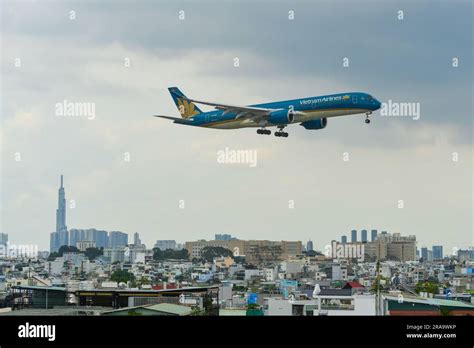
The increased connectivity to Singapore and Bangkok plays a critical role in supporting Vietnam’s national aviation strategy. Over the past decade, the Vietnamese government has heavily invested in aviation infrastructure, such as the expansion of Tan Son Nhat International Airport and the development of the ambitious Long Thanh International Airport project. Vietnam Airlines’ latest operational enhancements reflect confidence in this infrastructure and the broader trajectory of the country’s aviation market expansion.
Vietnam’s geographic proximity to both Thailand and Singapore enhances the appeal of these routes. For corporate travelers, these cities represent dynamic centers for finance, logistics, and technology. For tourists, they offer rich cultural experiences, world-renowned cuisines, and seamless onward connections to destinations across Asia and Oceania.
Aligning with Peak Season Travel Demand
The summer months historically see a surge in travel across Southeast Asia, with millions moving for holidays, school breaks, and business ventures. Vietnam Airlines’ decision to boost flight frequencies is a proactive measure to prevent capacity bottlenecks, reduce wait times, and offer more flexibility in booking itineraries.
These new schedules are expected to absorb increased passenger volumes while ensuring higher on-time performance, reducing passenger congestion, and minimizing overbooking challenges. Vietnam Airlines’ expanded services provide travelers with better departure options, shorter layovers, and improved connections through Vietnam’s domestic network.
Competitive Positioning in a Crowded Market
Vietnam Airlines is not alone in its pursuit of increased market share in Southeast Asia. Regional competitors such as Singapore Airlines, Thai Airways, and AirAsia are also adjusting their post-pandemic strategies to match rebounding demand. However, Vietnam Airlines brings to the table a unique strength: its dominant domestic network, longstanding government backing, and a deepening portfolio of strategic codeshare agreements.
By enhancing direct flights to Singapore and Bangkok, the airline is securing its position as a viable regional alternative for transit and point-to-point travel. Its efforts signal an ambition not just to recover but to thrive competitively against well-established rivals in one of the world’s most active aviation corridors.
Economic and Sectoral Spillover Benefits
Beyond aviation, the airline’s increased activity is likely to contribute meaningfully to Vietnam’s broader economic sectors, including tourism, hospitality, retail, and logistics. The flow of passengers often translates to higher hotel occupancy rates, increased spending in local businesses, and growth in ancillary services such as car rentals, ground transportation, and regional tours.
Increased travel to and through Vietnam also enhances the country’s visibility as a transit and destination market, prompting reinvestment in airport services, travel-tech, and customer experience innovations. As a result, Vietnam Airlines’ frequency expansion serves as both a direct operational upgrade and a catalyst for economic development.
Technological and Customer Service Enhancements
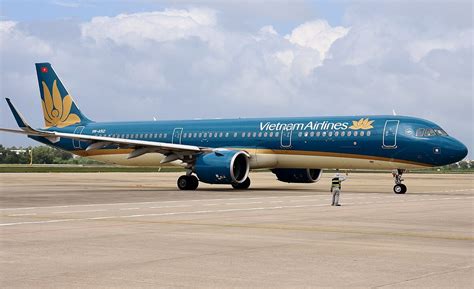
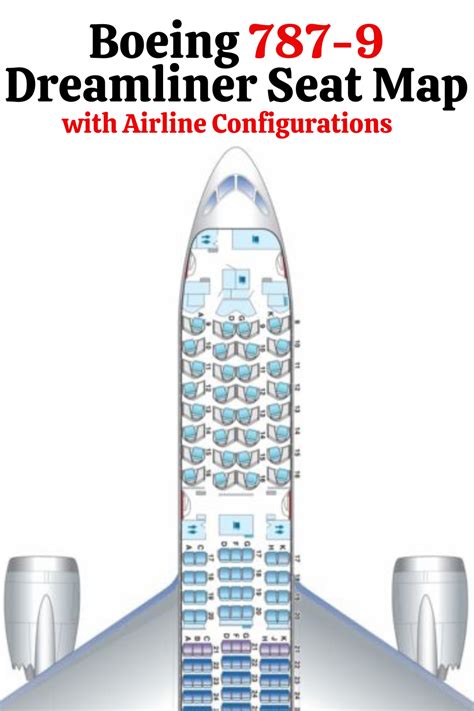
Vietnam Airlines has also invested in modernizing its fleet, introducing more fuel-efficient aircraft like the A350-900 and Boeing 787-9, which now frequently operate the expanded Singapore and Bangkok routes. This modernization supports lower operating costs, enhanced environmental efficiency, and superior passenger comfort.
In tandem, the airline has rolled out upgrades to its digital booking platforms, streamlined mobile check-in services, and expanded its frequent flyer program partnerships. These efforts underscore a broader initiative to offer seamless end-to-end travel experiences, appealing to both frequent business flyers and casual tourists.
A Clear Signal of Rebound and Resilience
The expansion of flight services is more than a response to market demand—it is a symbol of recovery and resilience. Following global disruptions that severely impacted air travel, Vietnam Airlines’ aggressive scheduling upgrades reflect a bold intent to emerge stronger and more capable.
The airline’s trajectory has followed a consistent path of financial stabilization, fleet renewal, and market reengagement. These recent adjustments further highlight its evolving identity as a modern, reliable, and internationally competitive carrier, deeply aligned with Vietnam’s aspirations to be recognized as a transportation powerhouse in Southeast Asia.
Strengthening Regional Identity and Integration
As Southeast Asia seeks tighter regional integration—economically, culturally, and infrastructurally—aviation becomes a foundational pillar. Airlines like Vietnam Airlines are not merely transport providers; they are regional bridges, enabling people, businesses, and ideas to move swiftly across borders.
Through its extended routes to Bangkok and Singapore, Vietnam Airlines is asserting a regional identity that embraces connectivity, resilience, and growth. These developments align with wider ASEAN objectives of economic interdependence and people mobility.
Looking Forward to a Dynamic 2025 Travel Season
As the summer of 2025 approaches, Vietnam Airlines’ flight expansions to Singapore and Bangkok offer more than just logistical convenience. They mark a strategic pivot in how Vietnam envisions its place in the aviation world. For passengers, they offer more choice, greater comfort, and enhanced access to major urban and economic centers.
For the region, they signify a renewed momentum in aviation growth, heightened inter-city integration, and expanded opportunities for trade, tourism, and collaboration. As Vietnam Airlines soars into this critical phase, the message is unmistakably clear: Vietnam is ready to lead the way in regional aviation excellence.