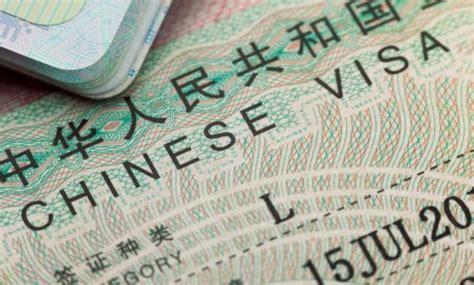
China has made a bold stride in redefining regional connectivity with the recent introduction of a visa-free policy allowing Indonesian citizens to stay in the country for up to 10 days without a visa. Effective June 12, 2025, the policy is more than just a travel convenience—it is a calculated move that expands China’s influence and deepens its ties with Southeast Asia’s largest nation. By reducing bureaucratic barriers and encouraging people-to-people exchanges, China is not only promoting tourism but also strengthening the geopolitical and economic fabric of the Asia-Pacific.
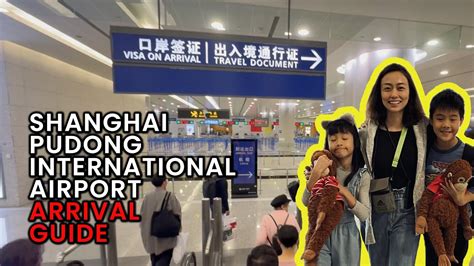
China’s 240-Hour Visa-Free Transit Policy Welcomes Indonesia
China’s National Immigration Administration formalized this policy through its official channels, positioning Indonesia as one of 55 countries eligible under the 240-hour visa-free transit program. This initiative is tailored to attract short-term travelers—especially those interested in tourism, attending business meetings, or visiting family members.
The program requires Indonesian travelers to meet specific entry conditions, but its broader implication lies in facilitating smoother movement between the two nations, cultivating cross-border collaboration, and reinforcing regional interdependence. The opportunity to enter without a traditional visa and remain for up to ten days is seen as a gesture of goodwill and an opening salvo for future diplomatic harmonization.
Clear Entry Requirements Ensure Secure and Efficient Transit
While the policy sounds straightforward, it is governed by strict eligibility conditions to ensure both security and administrative clarity. Travelers must present a valid Indonesian passport or an equivalent international travel document with at least six months of remaining validity and a minimum of two blank pages.
They are also required to show proof of onward travel—specifically a confirmed ticket to a third country, which must include a fixed departure date and seat assignment. For instance, an Indonesian national flying into Beijing Capital International Airport must show documentation for continued travel to South Korea, Japan, or Singapore within ten days of arrival.
Moreover, entry must be made through one of 60 designated ports spread across 24 provinces and municipalities, including metropolitan centers like Shanghai, Beijing, Chengdu, and Guangzhou. These authorized points offer systematic border control and align with national security frameworks to facilitate the streamlined execution of the policy.
Permitted Activities Under the Visa-Free Scheme
Indonesian travelers are welcomed for tourism, business meetings, and family visits under this visa exemption. However, the policy draws a clear line against other types of engagements. Activities such as seeking employment, academic study, journalism, or professional interviews are not permitted during the visa-free stay and require a formal visa application.
The goal is to maintain the integrity of short-term visits while encouraging economic and cultural exchange. Individuals who wish to engage in restricted categories must still apply through traditional visa channels, which helps Chinese authorities maintain oversight while allowing targeted liberalization.
An Immediate Boost to Travel and Hospitality Sectors
The visa-free policy is a boon to airlines, hotels, and travel agencies, particularly those with a vested interest in facilitating Indonesian outbound travel. Airlines are expected to increase direct flight frequencies connecting Jakarta, Denpasar, Surabaya, and Medan with China’s leading gateway cities. The hospitality sector in China—already robust in major cities—will likely pivot to offer tailored experiences for Indonesian tourists, including halal-certified food, Bahasa Indonesia language support, and cultural hospitality training.
Travel agencies in both countries may roll out visa-free package tours, removing one of the biggest friction points in international travel: the time-consuming visa application process. The industry is poised for growth, especially during peak travel seasons such as Chinese New Year, Idul Fitri, and National Golden Weeks, which often see a surge in bilateral movement.
A Diplomatic Milestone in Sino-Indonesian Relations
This move goes beyond tourism. It is a strategic diplomatic gesture that signals China’s commitment to enhancing its bilateral relationship with Indonesia, a fellow G20 member and rising power in Southeast Asia. The two countries have seen an uptick in bilateral trade, infrastructure cooperation, and maritime dialogue, all under the umbrella of broader initiatives like the Belt and Road Initiative (BRI).
The visa-free policy complements these efforts by enhancing people-to-people diplomacy, encouraging greater understanding and familiarity between the two populations. With increased accessibility, cultural programs, student exchange initiatives, and joint heritage conservation projects are expected to gain momentum.
Economic Implications: A Gateway for Short-Term Business Ventures
For Indonesian business professionals, this policy presents unparalleled convenience. Entrepreneurs, investors, and corporate executives can now travel at shorter notice to attend meetings, conferences, and site visits without being entangled in visa processing delays. The 240-hour allowance opens a realistic window for initial negotiations, facility tours, and business expos—key touchpoints in cross-border investments.
China benefits equally by becoming a preferred destination for Southeast Asian decision-makers, easing the friction in regional business travel and offering a conducive environment for B2B exchanges. This could lead to increased trade volumes, start-up investments, and tech transfer collaborations in areas ranging from green energy to digital infrastructure.
A Broader Vision for Regional Integration
China’s decision aligns with broader aspirations to enhance regional mobility and cohesion. ASEAN countries, particularly Indonesia, have been central to discussions around intra-Asian economic corridors, and visa liberalization is a crucial step in that direction.
From joint tourism circuits that connect historical Silk Road cities to multinational business summits, the ease of movement can be a catalyst for innovation and integration. It also underscores China’s role in architecting regional frameworks that are more inclusive, modernized, and culturally fluid.
Furthermore, the timing of this policy echoes resolutions made during recent ASEAN+3 and East Asia Summits, where leaders emphasized the importance of open skies, digital travel facilitation, and border innovation as tools to stabilize post-pandemic recovery.
Digitalization and the Future of Seamless Entry
As digital infrastructure evolves, platforms like Trip.com, Traveloka, and AirAsia Super App are expected to quickly integrate the visa-free feature into their travel bundles. Automation in immigration counters, AI-driven pre-clearance, and biometric scanning may further smoothen arrival procedures.
China is already piloting smart immigration lanes in major international airports, and Indonesians could benefit from these innovations through expedited entry experiences. Similarly, Indonesian travel tech firms might develop visa-free itinerary planners and language-integrated chatbots to help travelers navigate their visits with ease.
The interplay between policy and technology is rapidly changing how governments enforce security while promoting openness, and this visa-free initiative provides a blueprint for modern travel management.
Geopolitical Ripple Effects Across Asia
While the immediate beneficiaries are Indonesian nationals, the implications of China’s move could influence policy decisions elsewhere. Neighboring countries such as Malaysia, Thailand, and Vietnam might consider reciprocal policies or adopt similar measures to stay competitive in attracting tourists and facilitating regional exchanges.
It could also push intergovernmental discussions within forums like APEC and ADB to develop unified entry protocols, shared travel data platforms, and integrated visitor safety frameworks. In essence, this small step toward visa-free mobility could reshape the geo-strategic calculus of how nations view mobility as a currency of influence.
Conclusion: A Transformational Shift in Asian Mobility
The introduction of visa-free entry for Indonesians traveling to China for up to 10 days is not just an administrative change—it is a transformational policy with multifaceted impact. From enhancing tourism and boosting business, to strengthening diplomatic channels and digitalizing mobility, the ripple effects will be felt across borders.
As China opens its gates with strategic intent, Indonesia stands to gain culturally, economically, and diplomatically. The region as a whole may well enter a new phase of mutual trust and travel-powered integration, anchored by practical initiatives that put people first and politics second.