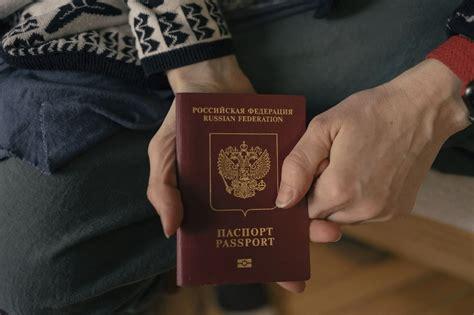
Beginning June 30, 2025, Russia will introduce a new electronic travel authorization (ETA) system that mandates all foreign nationals eligible for visa-free entry to obtain a digital QR code prior to their arrival. This initiative signifies a major modernization of Russia’s border management procedures, aligning with global standards in digital border security. The Russian government aims to enhance traveler screening and streamline the entry process through the ETA requirement, which will operate as a one-year pilot program until June 30, 2026. During this period, travelers from countries with existing visa-free agreements must submit an application at least 72 hours before their arrival.
The new framework necessitates that foreign nationals who benefit from visa exemptions complete an online application for an ETA before traveling to Russia. Upon approval, applicants will receive a personalized QR code that serves as their travel authorization. The process will be facilitated through Russia’s state-run online platform, Gosuslugi, or via a forthcoming mobile application called ruID, currently under development. Travelers are expected to upload basic personal information and trip details, and the QR code will be scanned upon arrival, enhancing both the security and efficiency of border processing. Additionally, biometric checks, including facial recognition and fingerprint scanning, may also be conducted at entry points.
Despite the implementation of this new policy framework, the ETA will not be mandatory immediately upon launch. According to the Association of Tour Operators of Russia (ATOR), as cited by guidance from the Ministry of Digital Development, foreign tourists will not be denied entry if they arrive without the QR code during the trial phase. Until the system is fully operational, participation remains optional.
Who Must Register for the ETA?
The electronic travel authorization is required for all travelers entering Russia visa-free, regardless of their mode of arrival—be it air, land, or sea. This requirement follows limited pilot testing that began in December 2024 at select airports and land crossings. Russia maintains bilateral agreements with various countries permitting visa-free entry for short visits, and these travelers will now need to adhere to the ETA requirement:
- Up to 90 days: Citizens of Armenia, Azerbaijan, Kazakhstan, Kyrgyzstan, Moldova, Uzbekistan, Tajikistan, Ukraine, Argentina, Brazil, Chile, Colombia, Cuba, Israel, the UAE, Uruguay, Venezuela, and Nicaragua, among others.
- Up to 60 days: Travelers from South Korea, the Dominican Republic, and Cape Verde.
- Up to 30 days: Nationals of Bosnia and Herzegovina, Thailand, Mongolia, Montenegro, Laos, and Botswana.
- Up to 14 days: Visitors from Hong Kong, Brunei, and Nauru.
Travelers Exempt from the ETA Requirement
Certain categories of individuals are exempt from the new ETA system. These include:
- Citizens of Belarus, due to close bilateral agreements on free movement.
- Children under the age of six.
- Accredited diplomats and consular staff in Russia, along with their immediate family members.
- Employees of international organizations recognized by the Russian government and their families.
- Anyone already holding a valid Russian visa will not need to apply for an ETA.
Toward a Digital Future in Border Control
This move positions Russia among a growing number of countries employing digital systems to manage entry for international visitors. By combining QR code technology with biometric screening, the country seeks to simplify entry procedures while ensuring national security. At the conclusion of the pilot program in June 2026, Russian authorities will evaluate the system’s effectiveness and decide whether to expand, revise, or make the initiative permanent. This modernization reflects Russia’s broader efforts to digitize public services and enhance its global accessibility, especially as the nation looks to rebound in international tourism and attract greater volumes of visa-free travelers under controlled conditions.
Entering Russia Without a Visa Using a QR Code Explained
How the New “ruID” Mobile App Simplifies Border Entry Procedures
As part of Russia’s digital transformation of its immigration process, a new mobile application called “ruID” will launch ahead of the upcoming travel policy change set to begin on June 30, 2025. This app will serve as a centralized digital platform to support visa-free travelers in securing the new electronic travel authorization (ETA) required for entry into the country. The ruID app is designed to simplify procedures for foreign nationals entering Russia without a visa and is expected to become available by June 24, 2025, just days before the new ETA requirement takes effect.
What Is the ruID App and What Does It Do?
Developed by Russian authorities as a key component of the modernized entry system, the ruID app will allow users to:
- Submit an ETA request by filling out a digital entry declaration.
- Register with the Ministry of the Interior after arrival.
- Purchase health insurance policies as required during their stay.
- Review their personal profile in the state-managed foreign national registry.
- Receive important government alerts and updates through a private dashboard.
- Generate and store the required QR code used to enter Russia once their account is verified through the official Gosuslugi portal.
To ensure accessibility for international travelers, the ruID app will initially support several languages: English, Russian, Armenian, Kazakh, Kyrgyz, Tajik, and Uzbek.
How to Apply for an Electronic Travel Authorization to Enter Russia
Russia’s ETA requirement applies only to foreign nationals allowed to enter the country without a visa under bilateral or regional agreements. If your country requires a visa to visit Russia, you must still apply through the standard channels—either via the e-Visa system or at a Russian consulate. The ruID process does not apply in such cases.
For Visa-Free Travelers: Two Application Methods
Foreign nationals who qualify for visa-free access can apply for the ETA in two ways—either through the ruID app or via the Gosuslugi web portal.
Step-by-Step Guide to Using the ruID App
- Download the ruID App: Install the ruID application on your smartphone (Android and iOS availability expected).
- Sign In or Register: Log in with your existing Gosuslugi credentials. If you don’t have an account, create one and link your travel ID (passport or equivalent).
- Complete and Submit the ETA Form: Applications must be submitted no earlier than 90 days and no later than 72 hours before the date of entry. In urgent cases (such as emergency medical treatment or a family bereavement), applications may be submitted at least 4 hours in advance, provided supporting documents are uploaded.
- Provide Detailed Trip Information: State the purpose of travel, specify arrival and departure dates, list regions or cities planned for visitation, and add names and details of children traveling with you (if applicable, both parents must include this info).
- Submit Biometric Information: This includes a facial photograph, a clear photo of your passport or ID, and a short voice recording for identity matching.
- Await Approval: Once your data is reviewed and verified, you’ll receive a notification within the app. Your personalized QR code will be issued for use at Russian border controls. Without submitting biometric data, the ETA cannot be processed. Each trip requires an updated facial photo, even if previously registered.
This significant shift in Russia’s border management is set to reshape the landscape for international travelers, making it imperative for those planning a visit to stay informed about the new requirements and embrace the technological advancements that aim to enhance their travel experience.