India and China are set to embark on a new chapter of tourism and diplomatic relations as both countries lift a five-year tourist visa ban, marking a significant turning point in their long-standing ties. This historic decision is poised to unlock vast opportunities for cross-border travel, fostering deeper cultural exchanges, economic collaboration, and mutual understanding. The move comes after years of strained relations, including a deadly border clash in 2020, which led to travel restrictions and heightened tensions. Now, as both nations work towards mending their diplomatic ties, this breakthrough is seen as a powerful step in strengthening bilateral cooperation and reigniting tourism, which has long been hindered by visa barriers.
For the first time in over five years, Indian nationals will once again be able to visit China on tourist visas, signaling the resumption of long-awaited tourism exchanges between the two giants of Asia. The reopening of borders to tourism is an important milestone in the reconciliation of ties between India and China. This breakthrough comes after a period of deep strain, particularly triggered by a violent clash at the Galwan Valley in June 2020, where both countries suffered casualties. The clash marked a significant turning point in their diplomatic relations, and the subsequent years saw heightened tensions and travel restrictions complicating interactions between their citizens.
The Galwan Valley clash was more than just a military confrontation; it represented the culmination of decades of unresolved territorial disputes. In June 2020, the peaceful borders between India and China saw their first deadly confrontation in over four decades. The clash led to the deaths of at least 20 Indian soldiers and four Chinese personnel, igniting a fierce backlash in both countries. Following this incident, India took several retaliatory measures, including banning several Chinese apps and increasing scrutiny on Chinese investments in the country. Additionally, the outbreak of the Covid-19 pandemic added further complications, with both countries closing their borders to international tourists. While some travel restrictions were lifted globally, the Indian and Chinese governments continued their stringent visa bans on one another’s nationals, preventing ordinary citizens from visiting the neighboring country.
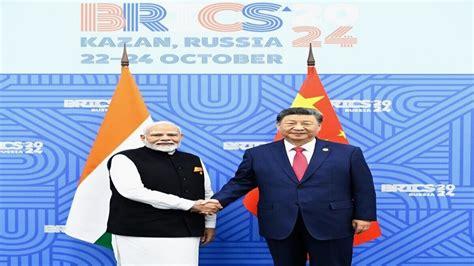
However, a new phase of diplomacy has begun to unfold between India and China in recent months, offering hope for better ties. The decision to allow Chinese tourists back into India comes after a period of gradual easing of tensions, culminating in high-level discussions between the two countries. Notably, Chinese President Xi Jinping’s meeting with Indian Prime Minister Narendra Modi on the sidelines of the BRICS summit in Russia last October set the stage for a series of positive steps in the diplomatic relationship between the two nations.
In a significant move, India’s Ministry of External Affairs has announced that it will start issuing tourist visas to Chinese nationals, lifting a crucial restriction that has kept Indian and Chinese tourists apart for years. This is being seen as a gesture of goodwill and a strong sign of India’s commitment to improving relations with China, particularly as the countries look to boost their economies through tourism and people-to-people exchanges. India’s decision to open the doors to Chinese tourists follows China’s own move to lift visa restrictions for Indian nationals in March 2025. The easing of visa barriers is expected to make travel between the two nations more accessible, with both governments now in agreement to revive direct air connectivity between major cities in India and China.
These agreements are expected to drive significant growth in tourism between the two countries, which have historically shared a rich cultural and economic relationship. The decision is welcomed not just by the governments but also by individuals. For instance, a Hong Kong-based comedian, who had booked tickets to attend his sister’s wedding in India, found his travel plans interrupted due to visa issues. However, with the removal of the visa restrictions, such personal travel can now proceed smoothly, marking a return to normalcy for citizens eager to visit family and friends or participate in events.
As part of the renewed effort to build goodwill between India and China, Beijing has also made a significant concession by allowing Indian pilgrims to visit Mount Kailash and Lake Mansarovar in Tibet. These sacred sites hold deep spiritual significance for Hindus and Buddhists, and the reopening of these routes for the first time in five years is a symbolic and practical move to further normalize relations. This religious reopening follows other initiatives, such as the resumption of direct commercial flights between India and China. These flights, starting in January, were a key step in re-establishing business and cultural ties. The renewed connectivity is expected to benefit not only tourists but also foster greater business collaboration between the two countries, which have remained major trading partners despite the diplomatic challenges.
The lifting of the five-year tourist visa ban signals a powerful shift in India-China relations and opens doors for increased cross-border travel, cultural exchange, and economic cooperation. This move marks a key step in rebuilding ties after years of tension. The easing of visa restrictions and the resumption of tourism flows is a testament to the resilience of both countries in navigating complex political landscapes. While challenges remain, particularly along the contested borders, both India and China have shown a willingness to engage diplomatically and foster positive exchanges.
For now, the resumption of tourism is seen as a symbol of recovery, offering hope for a more open and cooperative future. Travelers from both nations are expected to benefit from increased access to each other’s countries, contributing to mutual economic growth and strengthening the cultural ties that have long connected India and China. In conclusion, as India and China take steps to heal old wounds and foster stronger bilateral relations, the relaxation of visa restrictions serves as a hopeful sign for the future. For the millions of tourists, pilgrims, and business travelers in both countries, this new chapter promises exciting opportunities for cross-border exploration, making it an exciting time for both nations.