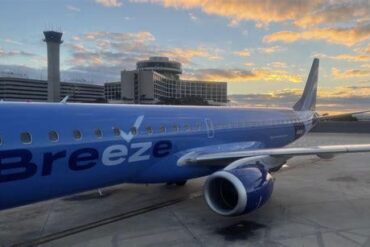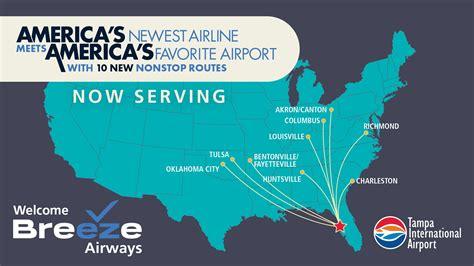
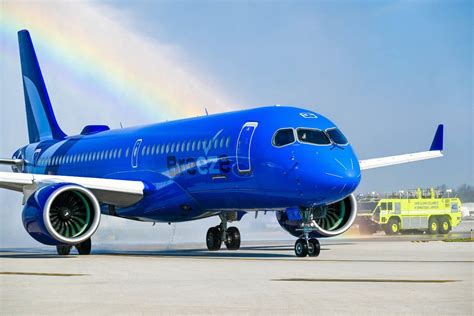
Breeze Airways is rapidly transforming its domestic-focused operation into a burgeoning international network, and 2026 is shaping up to be the airline’s breakout year beyond the United States. In a bold move that underscores its rapid growth trajectory, Breeze has launched its first international flights from Tampa International Airport (TPA), with nonstop service to Nassau’s Lynden Pindling International Airport (NAS) now operational. This route marks the beginning of a strategic expansion that will see Tampa serve as a critical international gateway for the carrier, with five international destinations scheduled by the end of the year.
Tampa Emerges as a Key International Hub
The launch of Tampa–Nassau flights is more than just another addition to Breeze’s growing route map; it is a statement of intent. The twice-weekly service, operating on Thursdays and Sundays, offers a 90-minute connection between Tampa and one of the Caribbean’s most popular leisure destinations. Departing at 7:25 AM and returning at 9:55 AM, this schedule is optimized for weekend travelers and vacationers seeking a short, convenient escape. Tampa’s role in Breeze’s network is evolving: the city is no longer merely a regional base but a launchpad for the airline’s first international expansion, complementing a growing domestic footprint and a portfolio of eight new nonstop routes added earlier this year.
Five International Routes Set for Tampa in 2026
Breeze’s ambitious plan includes five international routes from Tampa, each carefully selected to target high-demand leisure destinations: Nassau, Punta Cana, San José, Cancún, and Montego Bay. The rollout schedule reflects a strategic approach that balances operational feasibility with market demand. After the Nassau launch on June 11, nonstop service to Punta Cana, Dominican Republic, begins on July 2, followed by San José, Costa Rica, on October 3. By mid-December, Tampa travelers will also have the option to fly nonstop to Cancún, Mexico, and Montego Bay, Jamaica. This staggered rollout demonstrates Breeze’s commitment to managing operational complexity while capturing key Caribbean and Central American markets during peak travel periods.
A Strategic Approach to Leisure Markets
Breeze’s expansion into international destinations is guided by a clear understanding of market dynamics. Rather than competing directly with legacy carriers on congested transatlantic or global hubs, the airline is focusing on short-haul leisure markets with established demand. Cancun appears as a destination on seven planned routes, while Punta Cana features on four, highlighting the airline’s emphasis on high-traffic vacation markets. This approach minimizes risk for a young airline venturing into international operations while capitalizing on leisure travelers who value nonstop convenience from secondary cities. By bypassing the largest hubs, Breeze avoids head-to-head competition with airlines such as JetBlue and continues to exploit market gaps left by carriers like Spirit Airlines.
Rapid International Growth from Multiple U.S. Cities
The Tampa expansion is part of a broader international strategy that spans several U.S. airports. Breeze launched its first international flight in January from Norfolk (ORF) to Cancun (CUN) and has steadily added destinations across the Caribbean and Central America. By early 2027, the airline will operate 14 international routes across five countries, including Mexico, the Bahamas, Costa Rica, Jamaica, and the Dominican Republic. This rapid growth illustrates the airline’s operational agility and its ability to identify underserved city pairs where nonstop options are limited. Smaller cities like Providence, Charleston, and Raleigh-Durham are benefiting from international connectivity that has historically been out of reach, aligning with Breeze’s mission to connect secondary markets efficiently.
The Role of the Airbus A220 in Expansion
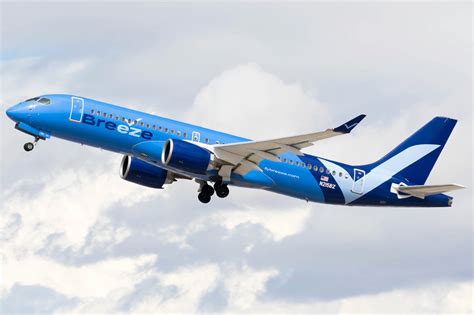
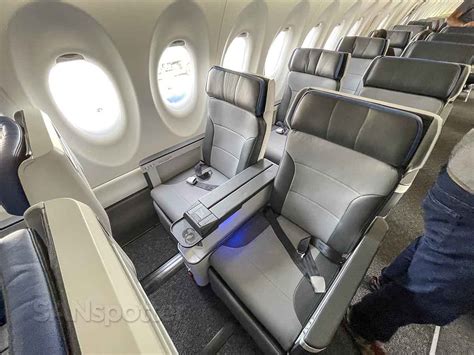
Central to Breeze’s international ambitions is the Airbus A220-300, a narrowbody aircraft that combines fuel efficiency, range, and passenger comfort. The A220 allows Breeze to operate routes that may not justify larger aircraft, enabling the airline to enter markets with thinner but steady demand. This aircraft underpins Breeze’s longer-term strategic vision, including the potential for future transatlantic service. While transatlantic plans remain on hold, the operational experience gained from close-in international routes will inform future decisions regarding customs processing, airport partnerships, and aircraft utilization. The A220 provides the flexibility needed to experiment with longer-haul destinations while maintaining profitability on shorter routes.
Balancing Growth and Operational Readiness
Breeze’s international expansion is measured and deliberate. The airline is using Tampa and other secondary airports to test international operations, ensuring that systems for customs, immigration, and ground handling are functioning efficiently. Each route acts as a pilot project, informing best practices for future growth. The phased approach—adding routes gradually throughout the year—demonstrates careful planning, ensuring that the airline can scale without compromising service quality. By the end of 2026, Tampa will serve as the clearest example of Breeze’s international ambitions, linking five leisure destinations across the Caribbean and Central America.
Competing in the Leisure Market
The leisure-focused international strategy positions Breeze uniquely among U.S. carriers. By entering markets with high demand but limited nonstop options, Breeze can offer travelers direct, convenient flights at competitive pricing. This strategy differentiates the airline from competitors who prioritize large, congested hubs, and gives Breeze the ability to cultivate customer loyalty among travelers from secondary cities. Nassau, Punta Cana, Cancún, San José, and Montego Bay are all established vacation destinations with strong resort, tour, and visiting-friends-and-relatives demand, making them ideal candidates for Breeze’s initial international phase.
Looking Ahead: Transatlantic Potential
While the initial focus is on short-haul international routes, the operational data and experience gained from these flights will inform Breeze’s longer-term aspirations, including potential transatlantic service. Founder David Neeleman has expressed interest in applying the same model of connecting underserved secondary markets across the Atlantic, potentially linking cities like Rhode Island or Bradley International Airport to Western Europe. These routes would likely avoid traditional trunk markets, instead offering direct connections where competition is minimal, echoing Breeze’s strategy within the U.S. and Caribbean.
Strategic Implications for Tampa and Regional Markets
The international expansion from Tampa has significant regional implications. With 37 nonstop destinations by the end of 2026, Tampa is becoming one of Breeze’s most important focus cities. The airport’s evolving role enhances the region’s connectivity, supporting tourism, business travel, and economic growth. Tampa’s position as a gateway to the Caribbean and Central America also strengthens its appeal for airlines, investors, and travelers seeking convenient access to high-demand vacation destinations. The airline’s measured, data-driven approach ensures that each route is sustainable, providing a model for expansion into other U.S. secondary cities.
Breeze Airways’ 2026 International Vision
In summary, Breeze Airways’ launch of five international routes from Tampa represents a carefully orchestrated strategy that blends operational pragmatism with market ambition. By prioritizing proven leisure destinations and leveraging the capabilities of the Airbus A220, the airline is establishing a strong foothold in international markets while maintaining its focus on underserved city pairs. The Tampa expansion, combined with routes from other U.S. cities, positions Breeze to transform from a domestic challenger to an international player capable of extending its low-cost, convenience-focused model beyond U.S. borders.
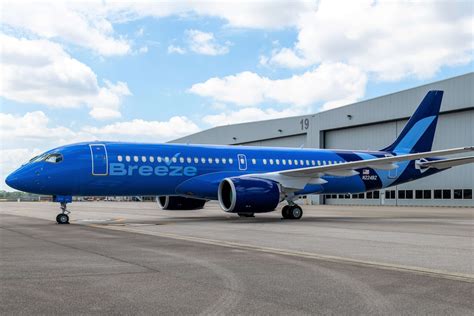
The rollout schedule, market choices, and operational focus reflect a company learning quickly, acting decisively, and preparing for a future that could eventually see Breeze connecting secondary U.S. cities to Europe. For travelers and industry observers alike, 2026 is shaping up to be the year Breeze Airways proves that rapid, strategically targeted expansion is not just possible—it is profitable, innovative, and poised to redefine U.S. airline international strategy.