The Federal Aviation Administration (FAA) is facing renewed scrutiny after allegations surfaced that its current Administrator delayed divesting significant airline stock holdings, potentially benefiting from a major industry merger. The controversy has prompted three U.S. senators to formally request an investigation, raising broader concerns about ethics compliance, regulatory impartiality, and the intersection of public office with private financial interests.
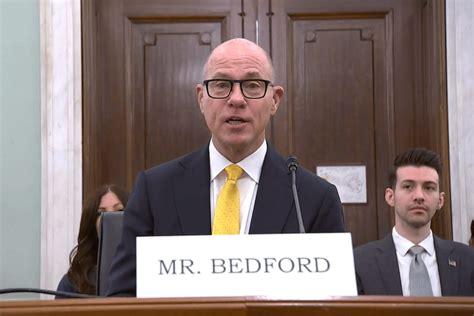
At the center of the issue is Bryan Bedford, the FAA Administrator and former CEO of Republic Airways, a major regional airline operator in the United States. According to reports, Bedford may have violated the terms of his ethics agreement by postponing the sale of his equity stake in the airline beyond the mandated deadline. The delay coincided with a high-value merger between Republic Airways and Mesa Air Group, potentially increasing the worth of his holdings before divestment.
Allegations of Ethics Agreement Violation Intensify
The ethics agreement required Bedford to fully divest his holdings in Republic Airways by October 7, a deadline designed to prevent conflicts of interest upon assuming federal office. However, disclosures indicate that the divestment did not occur until February, several months after the merger between Republic Airways and Mesa Air Group was finalized in November 2025.
This timeline has drawn sharp criticism. Lawmakers argue that the delayed sale may have allowed Bedford to capitalize on the post-merger valuation surge, with estimates suggesting his shares were worth between $6 million and $30 million at the time of divestment. Such a discrepancy raises questions about whether the delay was strategic rather than incidental.
In a statement addressed to the Department of Transportation’s Inspector General, the senators asserted that Bedford may have “intentionally held on to his shares” to benefit from the merger’s financial upside. The investigation, if pursued, will seek to determine whether the delay constituted a breach of federal ethics rules or resulted in improper financial gain.
The Republic–Mesa Merger and Its Market Impact
The merger between Republic Airways and Mesa Air Group was not a sudden development but the culmination of negotiations that began as early as April 2025. By November, the two carriers had consolidated under the new entity Republic Airways Holdings Inc., creating a powerhouse in the regional aviation sector.

The newly formed airline now operates a fleet exceeding 300 aircraft, composed entirely of Embraer E170 and E175 jets. This consolidation positioned the airline as the second-largest regional carrier in North America, significantly expanding its operational footprint and strategic importance.
The merger also enhanced partnerships with major U.S. airlines, including United Airlines, Delta Air Lines, and American Airlines, all of which rely heavily on regional operators to maintain route density and network connectivity. The scale and efficiency gains from the merger likely contributed to a measurable increase in the company’s valuation—precisely the factor now under scrutiny in Bedford’s case.
Why Regional Airlines Hold Strategic Importance
Regional carriers like Republic Airways play a critical yet often underappreciated role in the aviation ecosystem. They serve as feeder networks, connecting smaller markets to major airline hubs where passengers transfer to long-haul flights. Without these operators, many low-demand routes would become economically unviable for larger aircraft such as the Boeing 737 or Airbus A320.

These airlines frequently operate under branded agreements like United Express, Delta Connection, and American Eagle, effectively extending the reach of major carriers. Republic Airways, in particular, has maintained contracts with all three, making it a linchpin in the U.S. domestic aviation network.
The merger with Mesa Air Group further amplified this role, increasing route coverage and operational flexibility. It also introduced additional complexity in ownership structures, particularly with United Airlines retaining a stake in the newly merged entity. This interconnected web of partnerships underscores why regulatory neutrality is essential—and why any perceived conflict of interest at the FAA level is taken seriously.
Regulatory Integrity and Public Trust at Stake
The FAA is responsible for overseeing aviation safety, certification, and operational standards across the United States. Its leadership must adhere to strict ethical guidelines to ensure that decisions are made in the public interest, free from personal financial considerations.
The allegations against Bedford strike at the heart of this expectation. Even the appearance of impropriety can erode public confidence in the agency’s ability to regulate fairly, especially when decisions may impact airlines tied to the administrator’s previous affiliations.
Critics argue that the situation highlights potential gaps in ethics enforcement mechanisms, particularly regarding the monitoring of divestment timelines and financial disclosures. Supporters of stricter oversight suggest that clearer enforcement protocols and real-time compliance checks could prevent similar controversies in the future.
What the Investigation Could Reveal
If the Inspector General proceeds with a formal inquiry, investigators will likely examine transaction records, internal communications, and the precise timing of stock sales relative to merger milestones. The goal will be to determine whether Bedford’s actions were deliberate, negligent, or within a legally permissible gray area.
The outcome could carry significant implications—not only for Bedford’s tenure but also for how future FAA administrators and federal appointees manage their financial interests. A finding of wrongdoing could lead to disciplinary action, policy reforms, or even legislative changes aimed at tightening ethics compliance.
For now, the case remains a developing story, but it already serves as a vivid reminder that in aviation—as in governance—timing is everything, and even a few months’ delay can trigger consequences that reach far beyond the balance sheet.