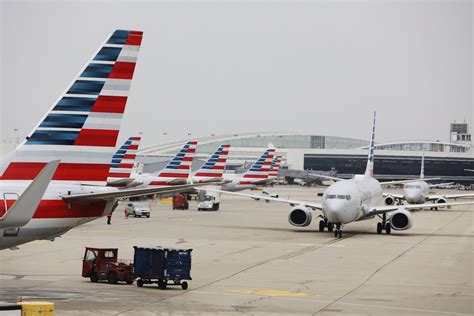
A routine domestic journey became a political flashpoint when James Blair, the White House Deputy Chief of Staff, publicly detailed a 2.5-hour delay on an American Airlines flight, citing an alleged hydraulic fluid issue and, in a separate instance, what he described as a failure to “book a pilot” for his wife’s scheduled departure. What might have been dismissed as another anecdote in the long ledger of American air travel disruptions quickly evolved into a catalyst for broader debate about airline reliability, federal oversight, and the shifting regulatory posture in Washington.
The episode unfolded against a backdrop of persistent operational strain across the U.S. aviation sector. According to industry analytics from OAG, American Airlines has trailed its closest competitors, Delta Air Lines and United Airlines, in on-time performance this quarter. January’s data reportedly placed the Fort Worth-based carrier at the bottom of the so-called “Big Three” for punctuality while also recording the highest cancellation rates. For passengers already fatigued by post-pandemic turbulence in staffing and supply chains, such metrics resonate far beyond statistical tables.
Blair’s remarks, posted publicly, were notable not for formal authority—he clarified he holds no direct aviation oversight—but for their timing and political weight. When a senior White House official highlights airline missteps, even informally, the signal carries national reverberations. Members of Congress, he noted, responded with policy ideas after his post gained traction, suggesting that personal inconvenience can swiftly morph into legislative curiosity in a hyperconnected political era.
Airline Reliability Under the Microscope
Operational hiccups are hardly rare in commercial aviation. Yet reliability data underscores that performance gaps among major carriers are widening at a sensitive moment. In January, American Airlines also faced extensive cancellations triggered by a winter storm that blanketed much of the United States. Aircraft rotations were disrupted, crews displaced, and recovery systems tested as thousands of flights were scrubbed from schedules. For passengers, the distinction between weather-related cancellations and internal operational resilience often blurs into a singular perception: instability.
Competitors have managed to preserve stronger punctuality margins, amplifying comparative scrutiny. When metrics demonstrate consistent lagging performance, narrative momentum builds. Investors examine cost structures and staffing models; regulators review contingency planning; travelers weigh brand loyalty against reliability risk. In that ecosystem, a senior government official’s delayed flight becomes less an isolated grievance and more a symbol of systemic strain.
Policy Reversals and Passenger Compensation Debate
The timing of Blair’s comments intersects with significant shifts in federal aviation policy. Since President Donald Trump began his second term, several consumer protection measures introduced under the prior administration have been rolled back. During Joe Biden’s tenure, the Department of Transportation pursued tougher enforcement actions, including multimillion-dollar penalties targeting airlines for service lapses and disability-related violations. One notable settlement imposed $16.7 million in penalties on American Airlines over treatment of passengers with disabilities.
More recently, the administration withdrew proposals that would have required airlines to provide mandatory cash compensation for disruptions deemed within their control. European carriers operate under such frameworks, but the U.S. has historically resisted adopting comparable automatic compensation regimes. The Department of Transportation has also proposed revising guidance to reduce emphasis on civil fines, signaling a philosophical pivot from enforcement-heavy oversight toward industry flexibility.
Critics argue that diminished penalties may weaken accountability incentives, particularly during periods of operational fragility. Supporters counter that punitive frameworks can burden airlines already navigating fuel volatility, labor negotiations, and fleet modernization. The debate is less about whether delays occur—aviation is inherently complex—and more about who absorbs the financial and reputational cost when they do.
Aviation Optics and Political Sensitivities
Blair’s public frustration is not the first aviation-related controversy to ripple through Washington this year. Reports recently surfaced that a U.S. Coast Guard pilot was dismissed mid-trip after leaving a personal item aboard a chartered Boeing 737 MAX transporting Homeland Security Secretary Kirstin Noem. In an unusual twist, the pilot was reportedly rehired once logistical realities became clear. The episode underscored how operational decisions, even those peripheral to safety, can escalate quickly in politically charged environments.
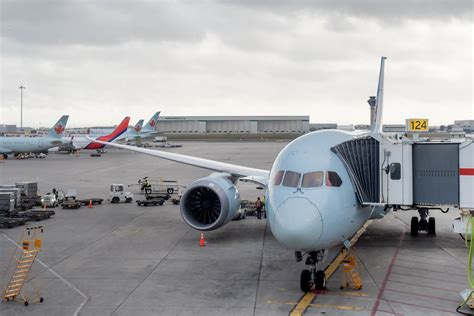
These incidents illuminate a recurring tension: aviation is both a public utility and a private enterprise. Airlines operate in competitive markets, yet they underpin national infrastructure and political mobility. When disruptions affect senior officials, attention intensifies not necessarily because the event is extraordinary, but because visibility magnifies its implications.
The Broader Industry Crossroads
The U.S. airline industry stands at a structural crossroads. Fleet renewal programs aim to improve fuel efficiency and reduce emissions, while pilot shortages and maintenance bottlenecks continue to pressure schedules. Weather volatility—intensified by shifting climate patterns—adds another unpredictable variable. Against this backdrop, regulatory recalibration shapes the incentives guiding airline decision-making.
Blair’s experience may not trigger sweeping legislation overnight, but it sharpens a narrative already in motion: reliability, accountability, and consumer rights remain politically potent issues. In an industry where margins are thin and reputations fragile, even a single delayed flight can ignite scrutiny extending far beyond the departure gate.
The episode ultimately serves as a reminder that aviation’s complexities are rarely visible until they intersect with power. When they do, the conversation expands from cabin inconveniences to national policy priorities.