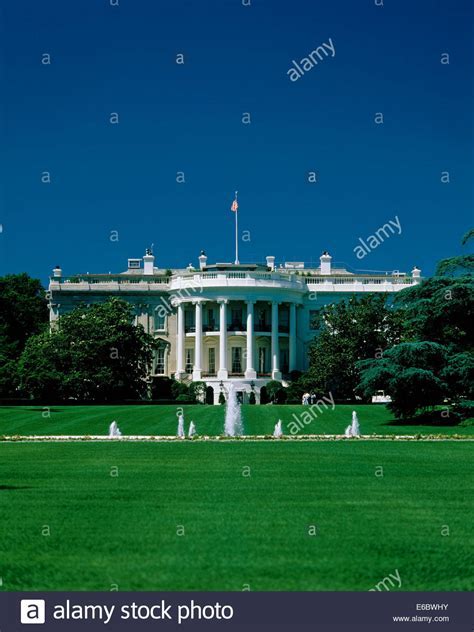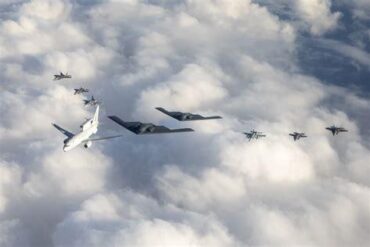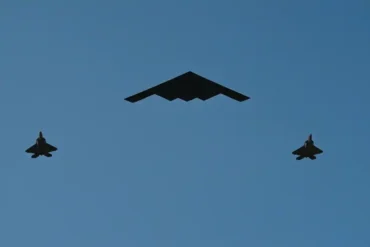
On July Fourth, a significant moment in U.S. military and political history will unfold as the B-2 Spirit stealth bomber pilots responsible for the high-stakes Operation Midnight Hammer visit the White House. Their visit, which coincides with America’s Independence Day, is not just ceremonial—it is a calculated move to underscore the seriousness and strategic value of the United States’ military deterrent capability.
The pilots, flying out of Whiteman Air Force Base in Missouri, executed an untraceable, precision-guided strike earlier this month against Iran’s underground nuclear enrichment facilities. The strike has not only sent geopolitical shockwaves across the Middle East but has also fueled intense debate in Washington over its long-term effectiveness.
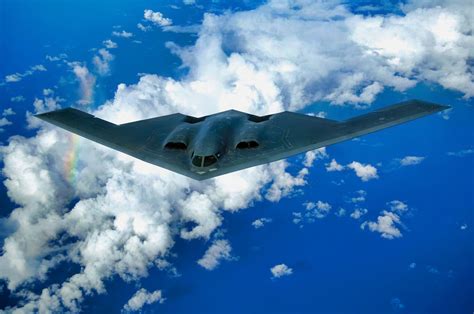
Operation Midnight Hammer: Precision, Power, and Secrecy
The B-2 bombers involved in the mission flew under complete radio silence, cloaked by their unique radar-evading design, and carried 30,000-pound bunker buster bombs. According to General Dan Caine, Chair of the Joint Chiefs of Staff, the mission was engineered for total tactical surprise. The aircraft lifted off under the cover of night, penetrated deeply into Iranian airspace, and delivered their payload with devastating precision.
What makes the mission especially noteworthy is its unprecedented stealth penetration into Iranian territory without triggering any meaningful air defense response. This represents a landmark demonstration of U.S. strategic capabilities, particularly its ability to strike hardened, deeply-buried targets without detection.
Military experts have dubbed Operation Midnight Hammer a tactical and strategic masterclass. Each aircraft carried two Massive Ordnance Penetrators (MOPs), each weighing more than 30,000 pounds and specifically designed to destroy subterranean targets. Iranian nuclear sites, including those located in Fordow, Natanz, and Arak, were reported to have sustained extensive structural damage.
The White House Invitation: Recognition Amid Controversy
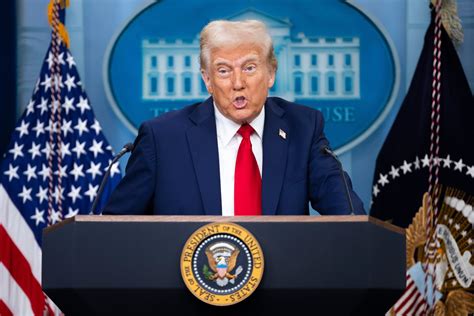
In an announcement made on Fox News’s “Sunday Morning Futures”, President Trump confirmed that the pilots would be visiting the White House for Fourth of July celebrations. The event will include a flyover of B-2 bombers, as well as recognition for other personnel from Whiteman AFB.
According to a White House official who spoke to The Hill, the celebration is intended to showcase not only the bravery of the pilots, but also the technological supremacy of the U.S. Air Force. This patriotic commemoration will occur against a backdrop of both admiration and political dispute, particularly in response to conflicting assessments about the strategic success of the strike.
Differing Evaluations: A Setback of Months or Decades?
Controversy has swirled around the Pentagon’s initial assessment, which suggested the strikes may have only delayed Iran’s nuclear program by a few months. However, both President Trump and Defense Secretary Pete Hegseth have vehemently rejected this evaluation, claiming that the strikes set back Iran’s nuclear ambitions by years—if not decades.
Trump has characterized the Pentagon’s early conclusions as not just wrong but demoralizing for the airmen who risked their lives to carry out the mission. At the NATO Summit in The Hague, he pushed back, stating, “You should be praising those people. … you’re hurting those people.” His remarks reflected both a defense of the mission’s efficacy and a broader narrative about loyalty to military personnel.
Hegseth echoed these sentiments during a recent press briefing, declaring that the pilots had been “undermined because your people are trying to leak and spin that it wasn’t successful.” His frustration was palpable as he called out unnamed officials for alleged misinformation campaigns designed to discredit the operation’s impact.
Strategic Impact: The Bigger Picture of Deterrence
The true measure of Operation Midnight Hammer may lie not only in the damage it inflicted but also in the signal it sent to adversaries around the globe. By showcasing America’s capacity to deploy long-range strategic bombers undetected, the strike sent a chilling message to Iran, North Korea, and other nations pursuing nuclear weapons development in defiance of global norms.
Military analysts have noted that the B-2 mission profile involved multiple in-air refuelings, electronic warfare support, and deep-space satellite coordination. It was a complex ballet of 21st-century warfare, involving precision, coordination, and unyielding stealth. The success of such a strike not only validates years of training but also justifies continued investment in next-generation bombers like the B-21 Raider.
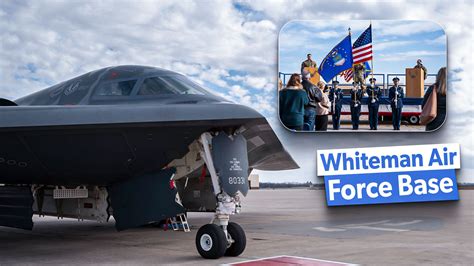
Whiteman AFB: The Cradle of Stealth Power
Whiteman Air Force Base has long been the cornerstone of America’s strategic bomber fleet, home to the elite pilots and crew who operate the world’s most advanced bomber, the B-2 Spirit. Known for its bat-like shape and eerie radar profile, the aircraft remains a symbol of U.S. air dominance, even decades after its introduction.
Pilots stationed at Whiteman undergo rigorous training, including extended simulations of high-risk strike missions, endurance flights, and precision delivery exercises. Many of them have multiple deployments under their belt, but Operation Midnight Hammer was a different kind of challenge—one that demanded stealth, precision, and split-second decision-making.
The base itself will feature prominently in the White House’s Independence Day narrative. Personnel from Whiteman will not only participate in the flyover ceremony, but will also be present for meet-and-greet opportunities, offering the public a rare window into the lives of those behind the cockpit.
Political Ramifications: A Symbol of Strength Amid Polarization
While military circles have largely praised the mission, partisan divisions have surfaced in Washington. Some Democratic lawmakers have questioned whether the strike could escalate tensions in the already volatile Middle East, potentially provoking retaliation from Iranian proxy militias in Iraq, Syria, and Lebanon.
Still, supporters argue that the timing and success of the strike reinforce America’s global leadership role and offer a reset in nuclear negotiations. By demonstrating that the U.S. is willing and able to strike at hardened targets without warning, the operation strengthens its position in any future diplomatic engagements.
President Trump’s move to center the pilots during the Fourth of July celebrations is a powerful political message, aligning military valor with patriotic identity. The symbolism of honoring stealth bomber pilots on Independence Day, in the very seat of American power, magnifies the administration’s broader nationalist and pro-military ethos.
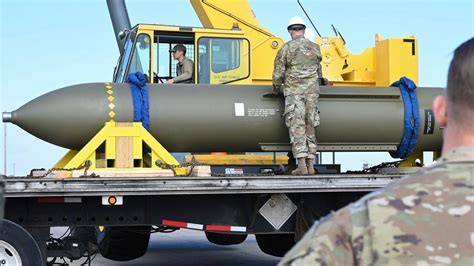
A Defining Moment in Modern Warfare
Beyond its geopolitical consequences, Operation Midnight Hammer is now being studied as a textbook case of modern air warfare. Military academies, both domestic and abroad, are dissecting the mission for its stealth tactics, payload delivery systems, and intelligence integration.
Critically, the operation demonstrates the irreplaceable value of human decision-making in high-risk missions. While drone warfare and AI systems continue to expand their roles in modern conflict, this mission served as a reminder that strategic bombing—when performed by highly trained pilots—remains a vital instrument of statecraft.
As the B-2 pilots step onto the South Lawn of the White House this Independence Day, the moment will reflect more than just recognition. It will stand as an emphatic statement that the United States possesses not only the weapons, but also the resolve, to act decisively when national security is threatened.
With flyovers streaking above Washington and the roar of stealth power overhead, Americans will celebrate freedom under the protection of some of the most elite aviators in the world—the men and women of the B-2 strike force.