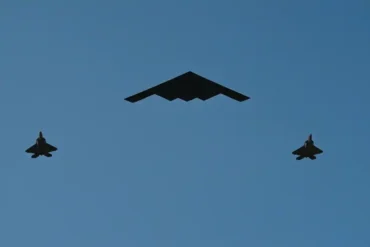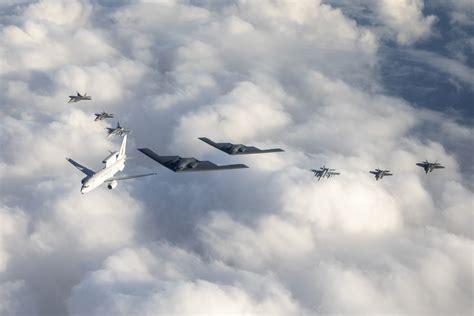
In a dramatic tribute to American airpower and strategic deterrence, B-2 Spirit bombers are expected to soar over Washington, D.C. this Fourth of July, marking not only America’s 249th Independence Day but also recognizing the elite aircrews who executed Operation Midnight Hammer, the bold and covert strike on Iran’s Fordow nuclear facility.
The flyover, set to include Lockheed Martin’s F-22 Raptor and F-35 Lightning II alongside the B-2, will offer a rare glimpse of some of the most advanced stealth aircraft in the world above the heart of the nation. The moment is laden with symbolism and military significance, particularly in light of escalating tensions with Iran and the strategic implications of the Fordow mission.
A Historic Mission: Operation Midnight Hammer
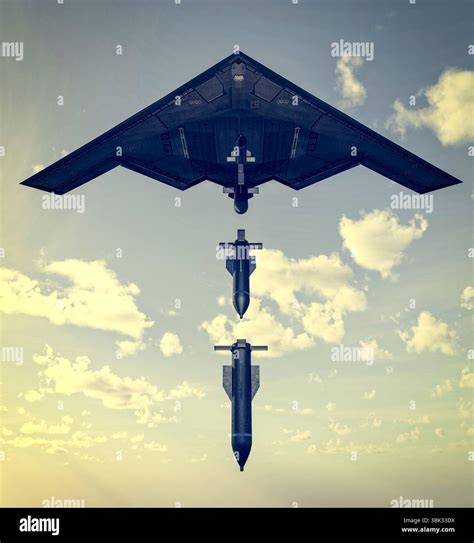
The reason behind the B-2’s inclusion in the flyover is not merely ceremonial. It is a calculated salute to one of the most audacious U.S. military air operations in recent history. More than half a dozen B-2s, each flown by two pilots, were tasked with delivering 14 Massive Ordnance Penetrators (GBU-57s)—30,000-pound bunker busters designed to obliterate fortified underground structures—onto the Fordow nuclear enrichment facility buried deep within Iran’s mountainous terrain.
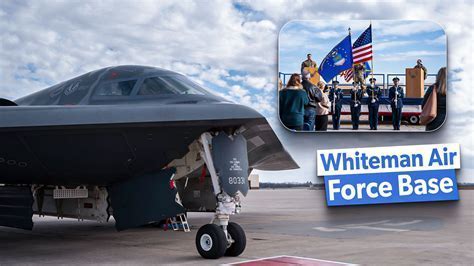
The mission, lasting a grueling 36-hour round-trip from Whiteman Air Force Base in Missouri, was executed without forward deployment—a CONUS-to-CONUS sortie requiring meticulous planning, extreme endurance, and flawless execution. The strike’s success was later confirmed by President Donald Trump, who declared the Iranian facility “utterly obliterated.”
The B-2 Spirit: Backbone of Stealth Bombing Power
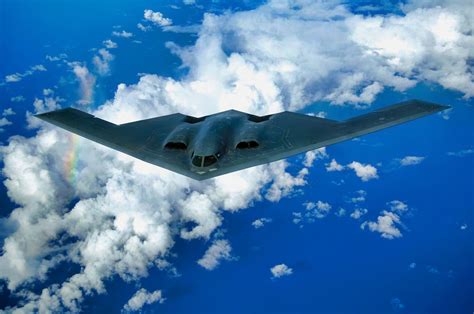
The Northrop Grumman B-2 Spirit, in service since the late 1980s, remains the only operational platform capable of delivering the 30,000-pound GBU-57. Its bat-winged design and low observable stealth technology allow it to penetrate deep into enemy airspace without detection. As of 2025, only 19 operational units remain in service, making them both iconic and increasingly rare.
Despite their aging airframes, the B-2s proved indispensable during the Fordow strike, highlighting that no other aircraft—manned or unmanned—could have fulfilled the same mission profile with such precision. Their continued relevance has led to renewed calls to extend their utility, even as the B-21 Raider prepares to enter service.
Private Recognition for an Elite Group of Pilots
While the B-2s may grace the skies over the National Mall, the pilots who carried out Operation Midnight Hammer will not be at the controls during the flyover. Instead, they will be attending a private White House reception hosted by President Trump. Due to the sensitive nature of their mission, their identities remain classified.
A statement from the U.S. Air Force cited concerns over digital surveillance and the exploitation of personal data by hostile foreign intelligence units. “Our adversaries are skilled at exploiting the digital realm… to target U.S. military personnel, operations, and activities,” the Air Force warned. These pilots, briefed extensively on operational security (OPSEC), represent the vanguard of strategic aviation in a new era of hybrid warfare.
Political Momentum: Calls to Transfer the B-2 to Israel
Following the strike, momentum has built within Congress to consider transferring surplus B-2 bombers to Israel. A bipartisan bill, titled the “Bunker Buster Act,” has been introduced by Reps. Josh Gottheimer (D-NJ) and Mike Lawler (R-NY), granting the U.S. President authority to equip Israel with both the aircraft and the training necessary to operate them.

The call is rooted in growing concern over Iran’s nuclear resurgence, despite recent setbacks. Israeli military forces, in coordination with the U.S., had already launched Operation Rising Lion, targeting multiple Iranian nuclear and military facilities just one week before Operation Midnight Hammer. Over 200 Israeli Air Force aircraft were involved.
Rep. Gottheimer noted: “Iran is the leading state sponsor of terror… and can never be allowed to possess a nuclear weapon.” His Republican colleague Rep. Lawler added that the transfer of B-2s would allow Israel to preemptively neutralize future nuclear threats from Tehran, reinforcing not only regional stability but global non-proliferation goals.
Exporting the B-2: A Highly Sensitive Dilemma
Despite growing congressional enthusiasm, the export of the B-2 represents a significant diplomatic and strategic quandary. The Spirit has never been exported, not even to close allies like Israel, due to the classified nature of its stealth coatings, avionics, and weapons delivery systems. The failure of previous efforts to export the F-22 Raptor, also due to national security restrictions, provides a sobering precedent.
Furthermore, even as the B-21 Raider prepares to replace the B-2 in the next decade, transferring the Spirit poses risks. Should a B-2 be shot down or compromised, sensitive technologies could fall into enemy hands—potentially revealing capabilities linked to the Raider or other next-generation U.S. systems.
Still, former Arkansas Governor and U.S. Ambassador to Israel Mike Huckabee has endorsed the idea, advocating for a controlled transfer once the Spirit is retired. His support lends additional political weight to an already fraught debate on strategic military exports.
Strategic Signaling Above the Nation’s Capital
The inclusion of the B-2 in the July 4th flyover is far from a random choice. It is an unmistakable strategic signal, both to allies and adversaries. By showcasing the aircraft responsible for one of the most consequential airstrikes in the 21st century, the U.S. is asserting both its technological superiority and its readiness to act decisively.
The presence of the F-22 Raptor and F-35 Lightning II, fifth-generation fighters with stealth, agility, and multi-role versatility, further underscores this point. Together, these aircraft project a message of unmatched air dominance, essential to maintaining deterrence in an increasingly contested global landscape.
Legacy of the B-2: End of an Era, Dawn of Another
As America celebrates its independence, the B-2’s flight over the capital may mark one of the final public appearances of a platform that reshaped global air warfare. From its first combat use in Kosovo, through decisive roles in Afghanistan, Iraq, and now Iran, the Spirit has been a silent sentinel of American power projection.
As the B-21 Raider readies to take its place, the B-2 leaves behind a legacy not of obsolescence, but of trailblazing innovation. The flyover is not merely an air show—it is a salute to those who flew into the night, with no margin for error, to preserve the peace of a dangerous world.
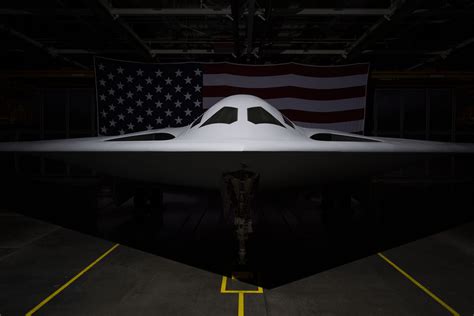
The sight of its angular silhouette above the White House will serve as a visible reminder of what stealth, courage, and strategic resolve can achieve—and a warning that America’s enemies ignore at their peril.