As July Fourth travel ramps up to record highs, Vancouver is making waves in the tourism industry. Joining iconic cities such as Rome, Paris, London, Barcelona, Dublin, and Amsterdam, Vancouver is supercharging US tourism like never before. But why now? What’s driving this sudden international magnetism? Why are American tourists flocking to these global cities this Independence Day holiday like moths to a flame? The answer lies in a perfect storm of factors transforming these destinations from mere locations into irresistible experiences.
The Unprecedented Surge in Independence Day Travel
This year, American travel is firing on all cylinders. A staggering 72.2 million travelers are projected to traverse roads, skies, railways, and seas between June 28 and July 6, marking the most traveled July 4th holiday period in U.S. history. This surge represents an increase of 1.7 million travelers compared to 2023 and a remarkable 7 million more than in 2019, prior to the pandemic’s disruptive grip on global mobility.
The reasons behind this explosive growth are multi-faceted. Pent-up wanderlust, favorable fuel prices, and evolving travel behaviors have transformed the celebration of America’s independence into a week-long escape. The allure of travel not only provides a break from routine but also fosters a sense of adventure and exploration that many Americans have longed for during years of restrictions.
Road Travel: The Dominant Mode of Transportation
With 61.6 million Americans expected to drive at least 50 miles this holiday, road travel continues to dominate the landscape. This marks a 2.2% increase over last year, representing the highest car travel volume ever recorded for this holiday period. Several factors contribute to this uptick, including long weekends, flexible remote work schedules, and manageable fuel costs. Although fuel prices are creeping upward due to geopolitical tensions in the Middle East, they remain lower than in previous years thanks to stabilized crude oil prices.
However, dark clouds loom on the horizon. The Atlantic hurricane season is predicted to be 60% above normal, potentially threatening Gulf Coast oil infrastructure and causing sharp gas price spikes. As the travel industry keeps a watchful eye on weather developments, preparation and caution become paramount for travelers hitting the open road.
Vehicle Rentals and Peak Patterns
As Americans gear up for cross-country drives, rental demand is soaring, with Hertz identifying July 3rd as the peak rental day. Cities like Orlando, Denver, Oahu, Boston, and Seattle are witnessing heightened interest. Popular choices include SUVs and midsize sedans. Last year, AAA responded to nearly 700,000 roadside emergencies during this same period, highlighting the importance of vehicle preparation. With record traffic expected, drivers are advised to inspect tires, charge batteries, and prepare emergency kits to avoid delays that could derail holiday plans.
Airlines Brace for Record Air Travel
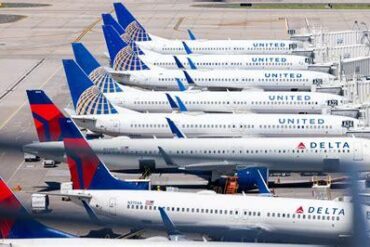
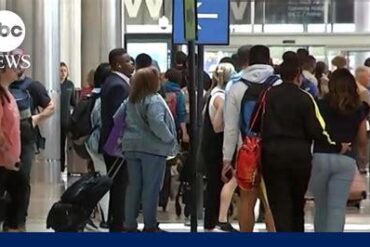
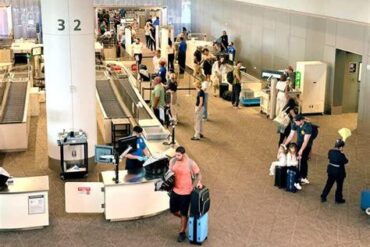
In the skies, 5.84 million Americans are anticipated to take to the air this July Fourth, reflecting a 1.4% increase from last year’s record-breaking numbers. This figure translates to roughly 8% of total July 4th holiday travelers. However, this growth comes amidst strained airport infrastructures, staff shortages, and limited seat capacities, leading to more frequent delays and longer security lines. Travelers flying out of major hubs like LAX, JFK, and O’Hare are advised to arrive earlier than usual to navigate the chaotic environment. Additionally, ticket prices are climbing; the average domestic roundtrip now costs $810, which is a 4% increase from the previous year. For those seeking bargains, midweek departures—particularly on Tuesdays and Wednesdays—offer the best opportunities for savings.
Rail and Sea Travel Experiences a Renaissance
A significant 4.78 million travelers are expected to opt for buses, trains, and cruises this year, representing a 7.4% increase over 2023 and nearly returning to pre-pandemic levels. Notably, cruises are a driving force behind this surge, particularly in Alaska, where the peak cruise season is in full swing, attracting travelers nationwide. Luxury cruises, family-friendly voyages, and eco-adventure itineraries are fully booked, and for those who missed out this year, bookings for next summer are already underway.
Simultaneously, Amtrak and regional rail lines are operating at maximum capacity, with cities like Boston and New York experiencing massive ticket demand due to their blend of historical charm and festive fireworks displays.
Vancouver: The Rising Star of US Tourism
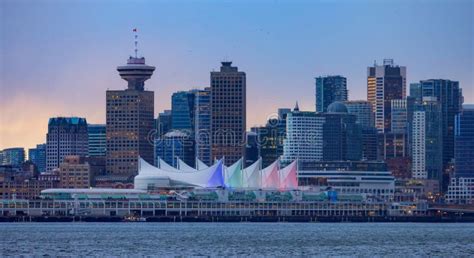
In a surprising twist, Vancouver has outpaced Paris, Rome, and London to emerge as the top international July 4th destination for Americans. This rise underscores Canada’s growing appeal, characterized by urban sophistication, breathtaking natural beauty, and proximity to the United States. While Europe remains a strong draw, cities like Barcelona, Amsterdam, and Dublin are facing challenges including airport chaos, elevated hotel prices, and inflationary pressures, nudging many travelers towards more accessible alternatives like Vancouver.
Vancouver’s allure extends beyond its picturesque landscapes; it offers a unique blend of cultural experiences, culinary delights, and outdoor activities that resonate with the American traveler. From bustling markets to serene parks, this city invites exploration and adventure, making it a compelling choice for holiday escapades.
The Economic Impact of Travel on Recovery
The July 4th travel surge highlights the evolving role of tourism in post-pandemic America. Travel is no longer merely a recreational pursuit; it has become a cornerstone of economic recovery, supporting thousands of jobs across airlines, hospitality, and retail sectors. Cities experiencing spikes in bookings are ramping up efforts to accommodate American tourists, with Vancouver, Rome, London, and Paris actively collaborating with U.S. tour operators and digital travel platforms. These partnerships aim to streamline visitor experiences and incentivize longer stays, thus enhancing the overall tourism landscape.
On the policy front, there is mounting pressure on U.S. airport authorities to bolster staffing and modernize terminals, while calls for clearer refund policies, enhanced airline accountability, and more sustainable travel options grow louder.
Navigating Challenges Ahead
While the travel boom is exhilarating, it is not without its challenges. Fuel prices remain an unpredictable variable influenced by geopolitical tensions, especially concerning conflicts involving Israel and Iran. A prolonged conflict could ripple through oil markets and global supply chains, impacting travel costs.
Additionally, the looming threat of hurricanes poses risks to flight paths, cruise itineraries, and fuel distribution, creating potential disruptions. Furthermore, ongoing labor shortages in aviation and hospitality may affect service quality just as demand reaches its peak, presenting additional hurdles for travelers.
The Emotional Journey of Travel
Beyond the statistics and logistical considerations, this travel surge encapsulates a profound emotional connection. After years of restrictions, cancellations, and isolation, Americans are reclaiming their freedom to explore the world. Families are reuniting, friends are creating lasting memories, and parents are introducing their children to the wonders of travel for the first time. The open road symbolizes resilience, the airplane seat serves as a ticket to hope, and the cruise ship represents a floating promise of escape.
This July 4th, every mile traveled is not merely a celebration of independence but a heartfelt recognition of reconnection, joy, and the enduring spirit of exploration.