Las Vegas, often hailed as the entertainment capital of the world, is witnessing a 1% decrease in tourism during the Fourth of July weekend of 2025, with anticipated visitor numbers dropping from 344,000 last year to 340,000 this year. This downturn can be attributed to various factors, including economic uncertainties, inflationary pressures, and a notable reduction in available hotel rooms. Despite these challenges, the allure of Las Vegas remains strong, with consumer spending projected to rise by 3.7% as visitors flock to experience the city’s world-class entertainment and spectacular fireworks displays.
The Las Vegas Convention and Visitor Authority (LVCVA) has highlighted this slight decline as a reflection of shifting tourism trends. Traditionally, Las Vegas experiences a surge in visitors during long weekends and major holidays, but this year’s statistics indicate a subtle shift in visitor demand. The expected hotel occupancy rate for the holiday weekend stands at approximately 93.1%, a decline from 94.4% in 2024, showcasing the ongoing volatility in the tourism landscape.

In examining the visitor projections and hotel occupancy trends, the LVCVA anticipates that the overall visitor count will reflect a 1.16% decrease compared to the previous year. The reduction in hotel room availability—over 150,000 fewer rooms than last year—has significantly impacted tourism traffic. As such, the reduction in hotel occupancy highlights broader economic trends that are affecting travel decisions.
Despite the decline in visitor numbers, the economic impact of the Fourth of July weekend is expected to remain positive in certain areas. The LVCVA forecasts that direct consumer spending will reach approximately $449.5 million, marking an increase of 3.7% from the previous year. This increase is primarily driven by inflation, which has raised prices across various sectors such as dining, hospitality, and entertainment. However, it’s noteworthy that the total economic impact for the weekend may witness a slight dip of 0.2%, reflecting broader economic uncertainties that continue to loom over the tourism industry.
A closer look at recent trends reveals that the overall state of tourism in Las Vegas is experiencing challenges. According to the LVCVA’s latest report for May 2025, there was a 6.5% decrease in visitors compared to May 2024, with total visitor numbers falling from 3.65 million to 3.41 million. Factors contributing to this decline include economic volatility and concerns regarding potential recessions. Moreover, gaming revenue has also seen a significant decrease of 11%, and average hotel room rates have dropped from $125 to $109, further illustrating the ongoing challenges faced by the tourism sector.
In terms of shifting travel patterns and cost considerations, the Fourth of July weekend is typically one of the busiest travel periods in the United States. Many Americans take advantage of the extended holiday to relax and engage in leisure activities. However, rising inflation and economic uncertainties have prompted many travelers to rethink their plans and budgets, leading to adjustments in spending habits. Fortunately, a decline in gas prices—expected to be around 30 cents lower per gallon than last year—provides a small incentive for road travelers, making it more feasible for tourists from neighboring regions to visit Las Vegas.
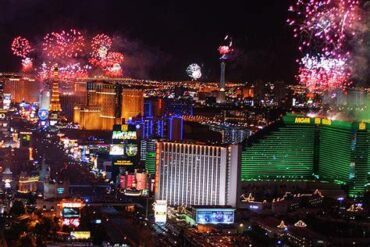
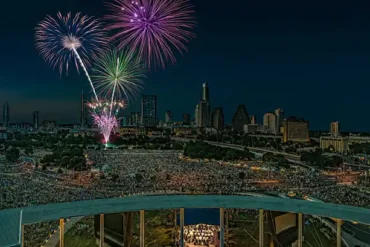
Las Vegas continues to offer an unmatched array of attractions that captivate visitors, ranging from thrilling casino gaming and high-end shopping to vibrant nightlife and outstanding entertainment. In celebration of the Fourth of July, several hotels across the city are hosting special fireworks displays, enhancing the festive atmosphere. Notably, the Caesars Palace fireworks show is scheduled to light up the sky at 9 p.m. local time on Friday, adding an exciting element to the holiday festivities along the famous Strip.
As Las Vegas navigates through recent challenges, including a notable drop in tourism during Super Bowl LIX weekend in February, the city demonstrates remarkable resilience and adaptability. The 12% decrease in visitors during the Super Bowl weekend highlighted the competitive nature of the tourism industry and the various factors influencing travel decisions. Nevertheless, Las Vegas is committed to evolving and enhancing its offerings to attract both new and returning visitors.
In response to changing market conditions, Las Vegas is making strategic adjustments to its tourism landscape. The city’s infrastructure is continuously expanding, with the addition of new hotels, entertainment venues, and attractions tailored to meet diverse tastes and budgets. From luxurious resorts to family-friendly experiences, Las Vegas strives to maintain its broad appeal, ensuring that it remains a top destination for visitors.
In conclusion, while the upcoming Fourth of July weekend may experience a slight decrease in tourism, Las Vegas is poised to remain a key player in the global travel scene. With its unique blend of luxury, excitement, and entertainment, the city continues to draw millions of visitors annually. As it adapts to the evolving economic climate and shifting travel habits, Las Vegas is well-positioned to uphold its status as one of the world’s most iconic destinations. Despite short-term fluctuations, the future of tourism in Las Vegas appears bright, bolstered by the city’s innovative spirit and commitment to diversification.