Bangkok, the vibrant capital of Thailand, is rapidly establishing itself as a luxury travel hotspot for affluent U.S. travelers, setting the stage for an ambitious goal of reaching $60 billion in tourism revenue. This transformation is not merely coincidental; it is the result of a well-orchestrated strategy that showcases the city’s unique blend of luxury accommodations, rich cultural heritage, and high-end experiences. As global travel trends continue to evolve towards personalized and exclusive journeys, Bangkok is positioning itself as a formidable competitor against renowned international destinations such as Tokyo, Paris, and London.
The allure of Bangkok lies significantly in its luxury appeal, which has been enhanced by an expanding portfolio of premium hotels and resorts. Notable international brands like Four Seasons, Capella, and Aman Nai Lert are redefining opulence in the city. These establishments offer extraordinary stays characterized by private pools, exclusive dining experiences, and unparalleled personalized services. Strategically situated with breathtaking views of either the bustling city skyline or the serene Chao Phraya River, these luxury hotels provide a perfect blend of urban vibrancy and tranquil retreats.
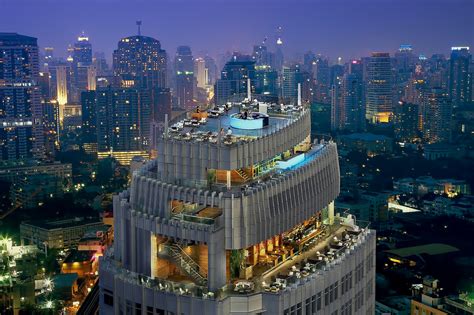
High-end tourists, who seek both comfort and cultural immersion, are increasingly drawn to the city’s luxury offerings. Rooftop bars and dining experiences, such as those at the Sky Bar at Lebua State Tower and Vertigo at Banyan Tree, have become essential components of the Bangkok luxury experience. These venues offer stunning panoramic views of the city, creating unforgettable moments for visitors. In addition to these upscale dining options, bespoke cultural tours to Bangkok’s iconic temples, including Wat Arun and Wat Phra Kaew, cater to travelers eager to delve into Thailand’s rich history and culture within an intimate and luxurious context.
Enhanced Connectivity Fuels Global Luxury Tourism Demand
The increasing demand among U.S. luxury travelers for Bangkok is further supported by improved connectivity. As airlines such as Thai Airways and various regional carriers expand their flight routes, direct connections between major U.S. cities and Bangkok are becoming more frequent. This enhanced accessibility simplifies travel for luxury tourists, allowing them to easily explore the city’s array of high-end experiences.
Moreover, initiatives such as Thailand’s “Amazing Thailand” campaigns and the “Thailand Luxury Guide” are instrumental in attracting a wealthier international clientele. These programs promote the country’s diverse luxury offerings, ranging from exclusive wellness retreats nestled in the mountains to private yacht tours across the picturesque Gulf of Thailand. The Thai government’s commitment to high-end tourism and the enhancement of the country’s luxury travel infrastructure reflect a strategic focus on elevating Thailand’s appeal to affluent visitors, particularly from the U.S. market, who desire a unique fusion of exclusivity, comfort, and cultural depth.
Sustainability Efforts Align with Luxury Tourism Growth
As Thailand endeavors to achieve its $60 billion revenue target, the concept of sustainability remains central to its tourism growth strategy. The nation’s luxury tourism sector is increasingly adopting eco-friendly practices, spanning sustainable hotel designs to eco-conscious tours and transport options. Prominent luxury hotels, such as Banyan Tree and Capella, have initiated green initiatives, including environmentally friendly construction and waste-reduction programs, specifically targeting environmentally conscious travelers.
This emphasis on sustainable tourism not only aligns with global trends but also attracts high-end tourists who are increasingly mindful of their environmental impact. By effectively balancing luxury with sustainability, Thailand positions itself as a forward-thinking leader in the global luxury tourism market, appealing to travelers who prioritize both indulgence and ecological responsibility.
Conclusion
As Bangkok continues to ascend in prestige as a luxury destination, it plays a pivotal role in Thailand’s ambitious goal of generating $60 billion in tourism revenue. With world-class hotels, exceptional dining options, exclusive cultural experiences, and a steadfast commitment to sustainability, Bangkok is becoming a magnet for affluent tourists from the United States and beyond. The city’s ability to seamlessly integrate modern luxury with traditional Thai culture places it at the forefront of the global luxury travel market, ensuring Thailand’s significant role in the tourism industry for years to come.