Cuba’s tourism industry is facing unprecedented challenges, forcing many Cuban families to seek reunification in neighboring countries. The Dominican Republic has emerged as a sanctuary for these families, offering not just beautiful beaches but also the promise of emotional reconnection amidst turmoil. As Cuba grapples with a steep decline in international travelers and a crumbling infrastructure, the Dominican Republic stands out as a beacon of hope.
Cuban Tourism Decline: An Unfolding Crisis
In recent years, Cuba’s tourism sector has experienced a dramatic downturn. The first half of 2025 saw a staggering 25% decrease in international visitors compared to the previous year. This decline can be attributed to several factors, including economic hardships, bureaucratic hurdles, and widespread shortages of essential goods and services. Tourists have reported deteriorating conditions across the country, from empty hotel rooms in Havana to deserted attractions in Varadero. Public health concerns and food security have further marred the experience, leading to a negative perception of Cuba as a travel destination. With national hotel occupancy barely exceeding 24%, the crisis is palpable.
Dominican Republic: A Contrast of Opportunity
In stark contrast, the Dominican Republic has flourished as a travel destination. With its thriving tourism industry and welcoming policies towards Cuban visitors, the nation has become an attractive option for families wishing to reconnect. The removal of the transit visa requirement for Cubans has significantly simplified travel procedures, allowing easier access for those wishing to visit family abroad. Additionally, the Dominican government has increased flight frequencies between Havana and Punta Cana, particularly on weekends, to cater to the rising demand for family reunifications. Airlines like Sky Cana are instrumental in bridging the gap between the two islands, making it more feasible for Cubans to visit their relatives living in the United States and elsewhere.

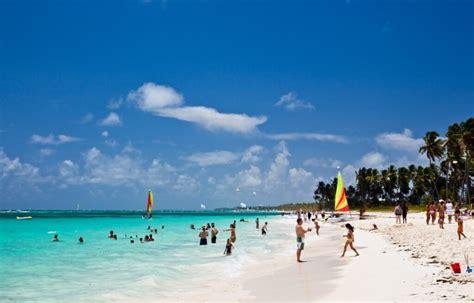
The Dominican Republic is not merely a geographical destination for many Cubans; it has become a second home—a refuge where they can escape the hardships of their homeland. The sunny beaches, modern amenities, and warm hospitality create an environment that is worlds apart from the struggles faced back in Cuba. Here, Cubans can gather with loved ones, share meals, and heal emotional wounds inflicted by years of separation.
Tourism as a Path to Emotional Healing
For many Cuban nationals, the decision to travel to the Dominican Republic transcends mere vacationing; it embodies a profound need for connection and familial bonds. The opportunity to embrace family members lost to emigration is what drives countless Cubans to embark on this journey. In light of Cuba’s escalating economic crisis, investing in a trip to the Dominican Republic has become not only a feasible option but often a dignified alternative to confronting the grim realities back home. This trend reflects a broader social and emotional landscape, highlighting the human desire to reunite and heal.
Shifting Migration Patterns: A New Era of Family Reunification
The evolving migration and tourism dynamics underscore significant socio-political trends within the region. As the Dominican Republic continues to relax its policies to accommodate Cuban nationals, it is poised to witness an influx of visitors seeking reunion with loved ones. This shift is particularly notable, as the ratio of Cubans arriving from the island to those traveling from Miami is now approximately six to one. Such statistics illustrate the growing importance of the Dominican Republic as a meeting place for families separated by migration, reinforcing the humanitarian aspect of tourism.
In 2023, the Dominican government publicly acknowledged the significance of this migration phenomenon, recognizing the vital role its tourism policies play in facilitating family reunifications. As the situation in Cuba remains precarious, the Dominican Republic is uniquely positioned to offer solace and support for families yearning to reconnect.
Conclusion: The Heartfelt Benefits of Reunification in the Dominican Republic
The ongoing surge in Cuban travel to the Dominican Republic encapsulates not just numbers but the deeply felt emotions and practical realities faced by many. While the Dominican Republic capitalizes on its favorable tourism policies and vibrant industry, it simultaneously provides a lifeline for families longing for reunion. This transformation in tourism signifies a shift from traditional leisure travel to a more meaningful act of humanity, illustrating how travel can bridge divides and foster connections.
As the Dominican Republic continues to serve as a sanctuary for Cubans, it solidifies its role not just as a travel destination but as a place of emotional healing and reconnection. Families can find refuge, escape the hardships of their homeland, and reclaim the joy of being together, underscoring the idea that tourism is fundamentally about more than just relaxation—it is about rebuilding lives and relationships.