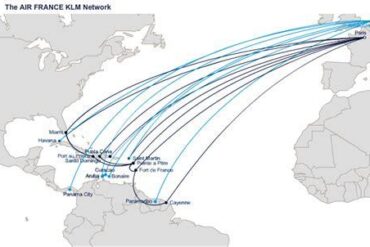
In a remarkable shift that is redefining Caribbean tourism dynamics, the Dominican Republic is experiencing a historic transformation in its visitor demographics. Between January and April 2025, the country witnessed a 31.3% surge in South American tourists, while traditional strongholds like the United States and Canada recorded significant declines. This development marks a strategic pivot in the nation’s tourism strategy, positioning South America as the new powerhouse of visitor growth.
North American Decline Sparks Tourism Concerns
The numbers paint a sobering picture for North American tourism to the Dominican Republic. U.S. arrivals fell from 1,183,537 in early 2024 to 1,122,849 in 2025, a 5.12% decrease. Similarly, Canadian tourist numbers slipped by 4.43%, from 621,485 to 593,922. These losses, totaling 88,251 fewer visitors, are largely attributed to seasonal travel fluctuations, including the 2025 leap year and shifts in the Holy Week calendar, both of which impacted travel behaviors in the early part of the year.
Despite the drop, North America remains the largest market, accounting for over 1.7 million tourists in the first four months of 2025. However, the downward trend raises concerns about long-term dependency on these markets, especially in the face of changing global travel patterns and economic uncertainty.
Argentina and Peru Emerge as Tourism Growth Leaders
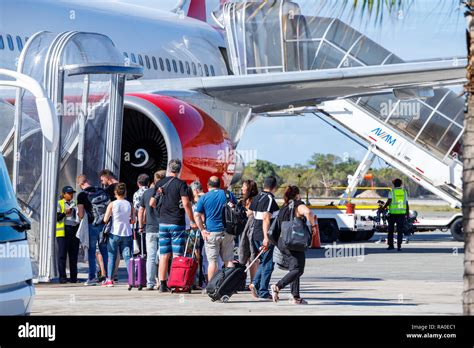
Leading the South American wave is Argentina, whose tourism numbers to the Dominican Republic have doubled year-on-year. From 82,289 in early 2024 to 163,266 in 2025, Argentina’s explosive growth is tied directly to the January 2025 open skies agreement, which significantly improved air connectivity. Expanded direct flights from major Argentine cities such as Buenos Aires have made travel both easier and more affordable.
Not far behind is Peru, which posted a 67.8% increase in visitors. This rise from 23,618 to 39,634 tourists showcases the effectiveness of bilateral tourism promotions and greater accessibility through Lima’s international flight corridors. These figures highlight how infrastructure, diplomacy, and strategic marketing intersect to drive tourism success.

Ecuador, Colombia, and Mexico Sustain Momentum
Beyond the leaders, Ecuador and Colombia have also contributed substantially to the Dominican Republic’s South American surge. Ecuador’s 29.09% growth, moving from 16,286 to 21,024 tourists, points to increasing middle-class travel demand and better interregional airline networks. Colombia, long a consistent source of tourists, grew by 7.35%, welcoming 95,060 visitors in early 2025.
Mexico, often grouped with North America, showed an exceptional 25% increase—a rare standout on the continent. With 39,652 Mexican travelers, up from 31,737 in 2024, Mexico’s performance underscores its rising middle class, improved Caribbean air links, and a burgeoning cultural affinity with the Dominican experience.

Venezuela’s Tourism Collapse: A Stark Contrast
While most of South America surged forward, Venezuela sharply declined. A staggering 70.43% drop, from 17,966 to just 5,312 tourists, signals a severe rupture in tourism relations. The cause: the suspension of direct flights in July 2024. This severed air link devastated travel between the two nations, illustrating how geopolitical decisions can swiftly unravel decades of tourism cooperation.
Venezuelan tourists once comprised a dependable share of the Dominican Republic’s Latin American market. The lack of alternatives to direct flights has rendered travel prohibitively complex and expensive, effectively closing the market unless air agreements are restored.

Air Connectivity and Promotions: The Strategic Backbone
What unites Argentina, Peru, Ecuador, Colombia, and Mexico is not just geography—it’s strategy. The Dominican Republic’s government, led by Tourism Minister David Collado, has proactively targeted South America through:
- Open skies agreements facilitating new and expanded flight routes
- Joint tourism campaigns promoting the Dominican Republic across Latin media platforms
- Participation in South American travel expos, particularly in Lima, Bogotá, and Buenos Aires
These initiatives, supported by airline partnerships and hotel group incentives, are reshaping the nation’s tourism flows. For instance, JetSmart, Avianca, and LATAM have all added capacity to Dominican routes, further solidifying travel access.
A Recalibrated Tourism Model: Diversification Over Dependence
What emerges from this trend is a recalibration of the Dominican Republic’s tourism model. By strategically embracing Latin America while maintaining engagement with North America, the nation is hedging against future shocks—whether they be pandemic-related, geopolitical, or economic.
This diversification is critical. Over-reliance on U.S. and Canadian travelers has previously left the country vulnerable to downturns. The 2025 pivot shows an understanding that regional neighbors in Latin America represent not only cultural alignment but also logistical feasibility for sustainable travel growth.

Tourism Resilience and Future Outlook
Despite a rocky start to 2025 for some key markets, Minister David Collado remains optimistic. He highlights the April growth metrics as evidence of resilience and a harbinger of sustained recovery. As the Dominican Republic enters the summer travel season, expectations are high for continued strong performance from Latin America, especially as additional airline partnerships and holiday campaigns come into effect.
Looking ahead, the government aims to:
- Re-establish air routes with Venezuela, should political conditions allow
- Expand promotional activities in Brazil, Chile, and Uruguay to further balance the South American portfolio
- Reignite interest in the U.S. and Canada through tailored seasonal offers and high-impact digital campaigns
In sum, the Dominican Republic’s tourism sector has shown remarkable agility in adjusting to shifting travel patterns. While North American declines pose short-term challenges, the surging South American numbers underscore a broader and more sustainable foundation for future growth.
A Historic Turning Point in Caribbean Tourism
The 2025 tourism data does more than reflect temporary fluctuations—it marks a historic turning point in the Dominican Republic’s international strategy. The pivot toward South America, led by strategic connectivity, proactive diplomacy, and data-driven promotions, is setting a precedent for other Caribbean nations watching how to navigate global uncertainty.
As tourists from Buenos Aires to Bogotá continue to flock to Punta Cana’s beaches and Santo Domingo’s colonial streets, it’s clear that the face of Caribbean travel is rapidly evolving—and the Dominican Republic is leading that transformation.