The landscape of US-Canada air travel is undergoing a significant transformation in 2025. While historic travel patterns positioned the United States as the leading international destination for Canadian travelers, recent figures signal a notable downturn in overall cross-border air traffic. Yet, amid this broader decline, select air routes are not only defying the trend but thriving with record-high passenger demand. Among them, the Fort Lauderdale (FLL) to Quebec City (YQB) connection stands out as a shining exception.
Fort Lauderdale to Quebec: A Route Defying the Downturn
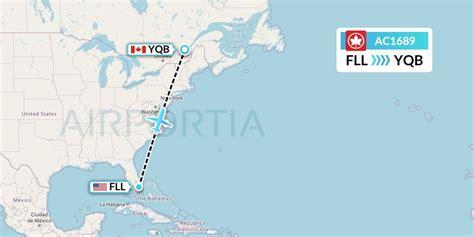
According to data from aviation analytics firm Cirium, the Fort Lauderdale-Quebec route posted a remarkable 95.4% load factor during the first quarter of 2025, cementing its status as the best-performing US-Canada air corridor. Load factor—a key metric indicating how full flights are—provides insight into route performance, even if it doesn’t fully reflect ticket pricing or overall revenue.
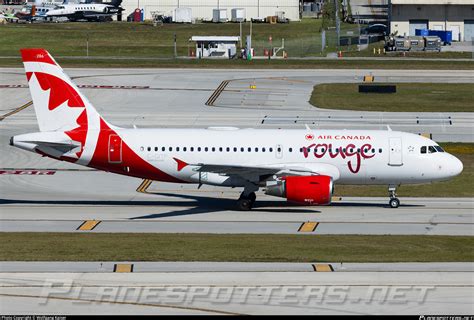
This particular route is operated by Air Canada, utilizing its Airbus A319 aircraft. The service offers two weekly flights, accommodating 136 passengers per journey, including 12 business class seats and 124 economy seats. With 47 flights operated in the first quarter alone, this route has become a vital link for leisure travelers, particularly Quebecois snowbirds seeking refuge from harsh winter conditions by flocking to Florida’s subtropical climate.
Complementing Air Canada’s service is Air Transat, which also operates the Fort Lauderdale-Quebec connection, albeit with a slightly lower 89.8% load factor. Air Transat deploys its Airbus A321LR aircraft on this route, offering a larger capacity of 199 seats, thereby accommodating significant passenger volumes despite the marginally lower load factor. This underscores sustained demand for warm-weather getaways among Canadian travelers, particularly from Quebec province, during the long winter months.
Other Resilient US-Canada Routes Defying the Trend
While Fort Lauderdale to Quebec garners the most attention for its exceptional performance, several other US-Canada air routes have exhibited resilience amid the overall downturn.
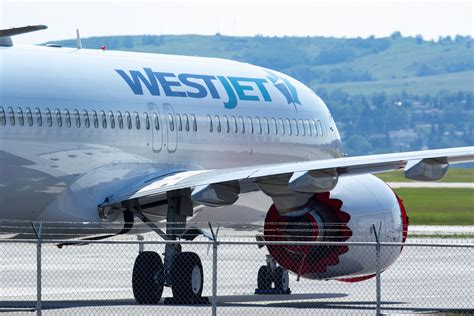
The Orlando (MCO) to Calgary (YYC) corridor, operated by WestJet, recorded a 93.6% load factor in Q1 2025. Leveraging its efficient Boeing 737 MAX 8 aircraft, WestJet’s route has become indispensable for both business travelers and vacationers drawn to Florida’s theme parks and mild climate.
Equally robust is United Airlines’ Houston (IAH) to Calgary route, posting a 93.4% load factor. Utilizing Airbus A319 aircraft, this service links the energy sector hubs of Calgary and Houston, facilitating critical business and leisure travel alike.
Meanwhile, United Airlines’ Chicago (ORD) to Vancouver (YVR) service achieved a 93% load factor, reflecting persistent demand for connectivity between two major metropolitan centers. Vancouver, as Canada’s Pacific gateway, remains a focal point for both tourism and corporate travel.
Rounding off the list of top-performing routes is WestJet’s Fort Lauderdale (FLL) to Vancouver (YVR) connection, with an impressive 92.8% load factor. Similar to the Quebec route, this service appeals to Canadians seeking winter sun, with Florida’s attractions providing a compelling escape from Canada’s colder regions.
Air Canada Suspends Toronto to Jacksonville Route Amid Demand Slump
Despite the success of select routes, the overall downturn in US-Canada air travel has forced airlines to make tough operational decisions. A prime example is Air Canada’s recent announcement to suspend its Toronto (YYZ) to Jacksonville (JAX) service for the upcoming winter season, spanning November 2025 to March 2026.
Traditionally operated using the Bombardier CRJ 900, this flight offered a unique nonstop link between Toronto and Jacksonville, catering to business and leisure travelers alike. The CRJ 900, configured with 76 seats across three cabin classes, struggled to maintain sufficient passenger volumes to justify continued winter operations.
Air Canada’s suspension reflects the airline’s strategic pivot to focus on profitable, high-demand routes while reevaluating underperforming corridors. The Toronto-Jacksonville service is expected to resume in summer 2026, contingent on market conditions.

Broader Implications for US-Canada Aviation
The mixed performance of US-Canada air routes paints a complex picture for the aviation sector. Despite the broader decline in cross-border air travel, driven by evolving consumer preferences, macroeconomic uncertainties, and fluctuating exchange rates, specific routes with clear value propositions continue to flourish.
The enduring success of routes like Fort Lauderdale-Quebec highlights the unwavering appeal of leisure travel, particularly during winter months when Canadian travelers seek respite in Florida’s favorable climate. Moreover, routes such as Orlando-Calgary and Houston-Calgary demonstrate that demand for strategic business and leisure connections remains resilient, even amid market volatility.
Conversely, the suspension of Toronto-Jacksonville reveals that airlines must remain agile, continually assessing route performance to align capacity with actual demand. Airlines increasingly leverage advanced analytics, such as those provided by Cirium, to inform these decisions, optimizing fleet deployment, schedules, and pricing strategies.
Future Outlook: Adaptation in the Face of Changing Dynamics
As the air travel landscape continues to evolve, US and Canadian carriers are recalibrating their route networks to navigate shifting market conditions. The rise of ultra-leisure routes connecting Canadian cities to sunbelt destinations like Florida underscores the increasing segmentation of air travel, with airlines focusing on high-margin, seasonal demand peaks.
At the same time, business corridors, exemplified by Houston-Calgary and Chicago-Vancouver, remain crucial, providing essential connectivity for commerce and industry. Airlines are likely to enhance these routes through improved schedules, premium offerings, and customer loyalty programs to capture high-yield traffic.
Furthermore, airlines face mounting pressure to optimize aircraft utilization, favoring fuel-efficient models such as the Boeing 737 MAX 8 and Airbus A321LR to manage operational costs while accommodating fluctuating demand patterns.
With cross-border travel also influenced by geopolitical developments, regulatory policies, and consumer sentiment, airlines must maintain flexibility. The air travel sector’s ability to rebound or further decline will hinge on macroeconomic stability, competitive pricing, and the continued allure of key leisure destinations.
Conclusion: Fort Lauderdale-Quebec as a Blueprint for Route Success
In summary, while the US-Canada air travel market grapples with declining passenger volumes, specific routes stand out as models of resilience and profitability. The Fort Lauderdale to Quebec route, boasting the highest load factor among cross-border services, exemplifies how airlines can succeed by targeting clear market niches—in this case, Canadian winter travelers seeking Florida’s warmth.
Other high-performing routes, including Orlando-Calgary, Houston-Calgary, and Fort Lauderdale-Vancouver, reflect a nuanced air travel environment where select corridors thrive, even as others falter. The key takeaway for airlines is the necessity of data-driven decision-making, strategic route planning, and an unwavering focus on delivering value to travelers.
As 2025 unfolds, the success of standout routes like Fort Lauderdale-Quebec offers valuable lessons in adaptability and market alignment, reinforcing the dynamic nature of the US-Canada aviation sector in an era of unprecedented change.