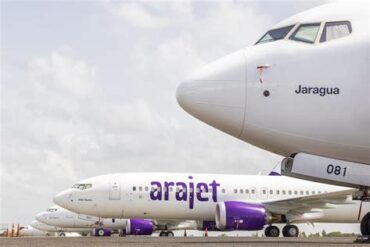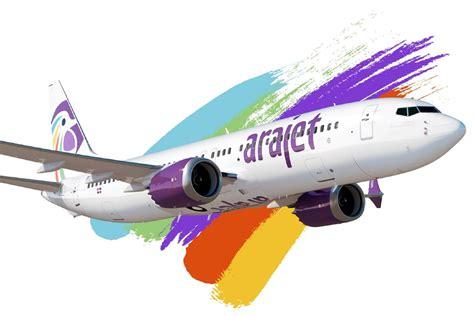
In the vibrant and competitive landscape of Caribbean aviation, Arajet has rapidly emerged as a transformative force, proudly bearing the mantle of the Dominican Republic’s flag carrier and its largest airline. Headquartered in the bustling capital of Santo Domingo, Arajet has embarked on an ambitious mission to redefine air travel in the Americas by offering low-cost flights to a burgeoning network of destinations spanning North, Central, and South America, as well as the Caribbean. Since its inaugural flight on September 15, 2022, to Barranquilla, Colombia, the airline has been synonymous with affordability, accessibility, and a commitment to connecting the Dominican Republic with the world like never before. This is not just the story of an airline; it’s the narrative of a nation’s ambition taking flight, powered by modern aircraft and a strategic vision for growth.
The journey of Arajet is one of evolution and strategic repositioning. Its origins can be traced back to 2014 with the founding of Dominican Wings. Initially, Dominican Wings carved a niche for itself in the charter flight market. After receiving its air operator’s certificate from the Dominican Republic’s civil aviation authority, the airline was authorized to conduct charter operations connecting the island nation with key markets in Mexico, Trinidad and Tobago, and Argentina. This initial phase was crucial in establishing an operational footprint and gaining valuable experience in the regional aviation sector. The airline’s first aircraft, an Airbus A320-200, was delivered on May 3, 2015, marking its official entry into service and laying the groundwork for future aspirations. While charter operations served a purpose, the winds of change were beginning to blow, signaling a new direction for the nascent airline.
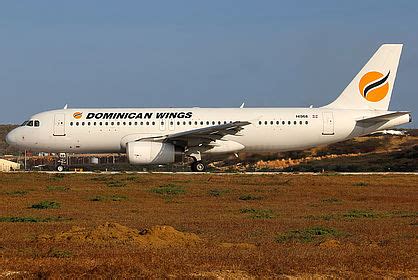
A pivotal moment arrived in early 2018 when the decision was made to transition Dominican Wings from its charter-based model to a scheduled ultra-low-cost carrier (ULCC). This strategic shift was backed by a significant investment of $60 million, aimed at completely relaunching the airline with a new identity and a more aggressive market strategy. The vision was clear: to democratize air travel for Dominicans and to attract more visitors to the country by offering competitive fares. In September 2021, this vision crystallized when co-founders Victor Pacheco Mendez, who also serves as CEO, and Mike Powell announced the airline’s rebranding to Arajet. The new name, evocative and distinctly Caribbean, signaled a fresh start and a bold commitment to becoming a leading low-cost carrier offering extensive connectivity throughout the Caribbean and the Americas. This rebranding was more than just a name change; it represented a fundamental shift in business philosophy and operational focus, gearing up to compete in the dynamic ULCC arena.
The Official Launch and Strategic Backing of Arajet
The formal establishment of Arajet S.A. was met with considerable anticipation. In November 2021, the Junta de Aviación Civil (JAC) of the Dominican Republic granted Arajet approval to amend its certificate of economic authorization, a landmark decision that included the rights to operate thirty new international routes. This regulatory green light was a critical step, paving the way for the airline’s ambitious expansion plans. Further solidifying its operational capabilities, the Instituto Dominicano de Aviacion Civil (IDAC), in a collaborative effort with Arajet, achieved the certification of two Dominican inspectors at Boeing’s facilities in December 2021. This initiative was vital for ensuring that local expertise was available to oversee the operations of Boeing-type aircraft, the chosen workhorse for Arajet’s fleet.
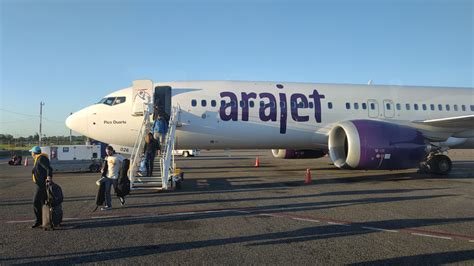
The airline’s first aircraft under the new brand, a state-of-the-art Boeing 737 MAX 8, was aptly named “Pico Duarte,” paying homage to the highest mountainous elevation in the Caribbean and a significant nature preserve in the Dominican Republic. This naming convention underscored the airline’s deep connection to its national identity. The aircraft, registered HI-1026, completed its distinctive painting process in February 2022 and triumphantly arrived at Las Américas International Airport (Santo Domingo) on March 3, 2022. This arrival was a tangible symbol of Arajet’s impending launch and its commitment to a modern, fuel-efficient fleet.
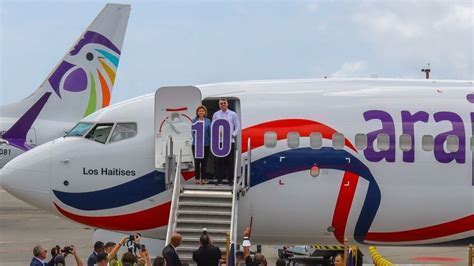
On March 14, 2022, Arajet S.A. was officially launched to the public. The launch event highlighted the significant financial backing the airline had secured, with prominent investors including Bain Capital and Griffin Global Asset Management. Crucially, the President of the Dominican Republic, Luis Abinader, announced that Arajet would be majority-funded with Dominican capital, emphasizing the national importance of the venture. Underscoring its fleet strategy, Boeing simultaneously announced a substantial order from Arajet for twenty Boeing 737 MAX 200 aircraft, with options for an additional fifteen. This landmark order signaled Arajet’s long-term commitment to growth and its confidence in the Boeing 737 MAX platform to deliver on its low-cost operational model.
Building a Modern Fleet: The Boeing 737 MAX Advantage
Arajet’s decision to operate an all-Boeing 737 MAX fleet is a cornerstone of its strategy to maintain low operational costs and high efficiency. The Boeing 737 MAX family of aircraft is renowned for its fuel efficiency, reduced emissions, and lower noise footprint compared to previous-generation aircraft, making it an environmentally conscious choice as well. These characteristics are vital for a low-cost carrier aiming to offer competitive fares while managing one of the largest operational expenses: fuel. The enhanced passenger capacity of the 737 MAX variants also allows Arajet to maximize revenue potential on popular routes.
As of May 2025, Arajet’s active fleet consists of ten Boeing 737 MAX 8 aircraft. These aircraft are configured with a passenger capacity typically featuring 8 seats in a premium-like setting (likely extra legroom or similar comfort) and 177 standard economy seats, totaling 185. Some configurations might accommodate up to 189 passengers, optimizing for high-density routes. The airline has further aircraft on order, with five more Boeing 737 MAX 8s expected to be delivered starting in 2026. This steady fleet expansion is crucial for supporting Arajet’s route development and increasing flight frequencies.
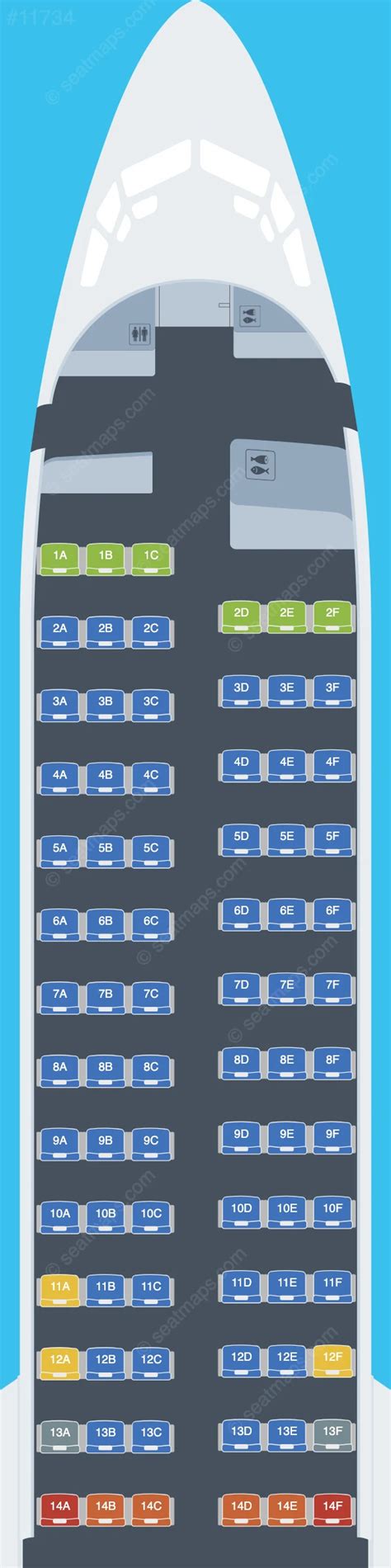
The most significant part of its future fleet plan is the order for twenty Boeing 737 MAX 200 aircraft, a higher-density version of the 737 MAX 8. This variant is specifically designed for the low-cost market, enabling airlines to accommodate more passengers – typically up to 200 – thereby reducing per-seat costs. This order, which includes options for fifteen more, positions Arajet for substantial growth in the coming years, allowing it to aggressively expand its network and solidify its market position. The total firm orders for twenty-five additional aircraft (five MAX 8s and twenty MAX 200s) underscore the airline’s ambitious vision.
Before its transformation into Arajet and its focus on the Boeing 737 MAX, when operating as Dominican Wings, the airline utilized a single Airbus A320-200. This aircraft was leased from Avion Express and operated from 2015 to 2017. The shift from Airbus to an all-Boeing fleet represents a strategic decision often made by LCCs to simplify maintenance, crew training, and spare parts inventory, thereby contributing to cost savings.
Connecting the Americas: Arajet’s Expanding Route Network
Arajet has rapidly established an impressive network of destinations, true to its promise of connecting the Dominican Republic to key cities across the Americas. The airline operates primarily from two hubs: Las Américas International Airport (SDQ) in Santo Domingo and, more recently, Punta Cana International Airport (PUJ), a strategic move to capture the significant tourist traffic to this popular resort destination. Operations from Punta Cana were slated to begin in November 2024, further enhancing accessibility. As of April 2025, Arajet serves an array of destinations, demonstrating its swift expansion since its 2022 launch.
In South America, Arajet has made significant inroads. The airline flies to Ministro Pistarini International Airport (EZE) in Buenos Aires, Argentina, a major route connecting the Southern Cone with the Caribbean. Brazil is served via São Paulo/Guarulhos International Airport (GRU) in São Paulo. Chile’s capital, Santiago de Chile, is connected through Arturo Merino Benítez International Airport (SCL). Colombia has been a key market since the airline’s inception, with current flights to El Dorado International Airport (BOG) in Bogotá, Rafael Núñez International Airport in Cartagena, and José María Córdova International Airport in Medellín. Previously, Arajet also served Barranquilla (Ernesto Cortissoz International Airport) and Cali (Alfonso Bonilla Aragón International Airport), though these routes were subsequently terminated, a common adjustment for airlines optimizing their networks. Ecuador is well-covered with flights to José Joaquín de Olmedo International Airport (GYE) in Guayaquil and Mariscal Sucre International Airport (UIO) in Quito. Lastly, in Peru, Arajet connects to Jorge Chávez International Airport (LIM) in Lima.
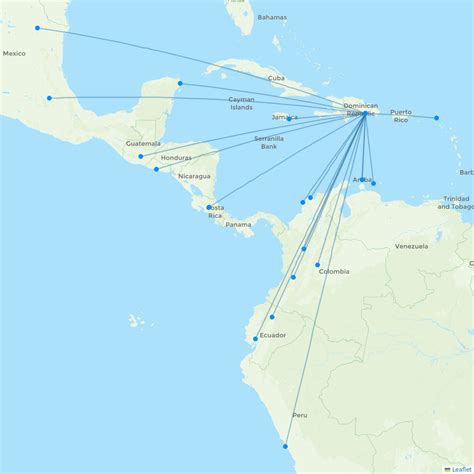
Central America and the Caribbean are also integral to Arajet’s network. Flights operate to Juan Santamaría International Airport (SJO) in San José, Costa Rica; Curaçao International Airport (CUR) in Willemstad, Curaçao; El Salvador International Airport (SAL) in San Salvador, El Salvador; La Aurora International Airport (GUA) in Guatemala City, Guatemala; and Norman Manley International Airport (KIN) in Kingston, Jamaica. The airline also serves Princess Juliana International Airport (SXM) in Sint Maarten, a popular Caribbean destination.
North American expansion is a critical component of Arajet’s growth strategy. In Canada, the airline serves Montréal–Trudeau International Airport (YUL) in Montreal and Toronto Pearson International Airport (YYZ) in Toronto. The United States market is rapidly opening up, with flights to Miami International Airport (MIA) already operational. Future U.S. destinations with confirmed launch dates include Newark Liberty International Airport (EWR) starting June 16, 2025; Chicago O’Hare International Airport (ORD) from November 15, 2025; and Boston Logan International Airport (BOS) commencing November 20, 2025. Additionally, Arajet is set to launch flights to Luis Muñoz Marín International Airport (SJU) in San Juan, Puerto Rico, starting June 4, 2025. These routes are highly anticipated and will significantly enhance connectivity between the Dominican Republic and major North American cities.
Beyond these confirmed routes, Arajet has expressed ambitious plans for further expansion. The airline intends to serve destinations such as Nassau in the Bahamas; Bridgetown in Barbados; Belize City in Belize; Santa Cruz de la Sierra in Bolivia. Additional Brazilian cities like Manaus, Rio de Janeiro, and Salvador are on the radar. Other targeted markets include the Cayman Islands; Cuba; Guadeloupe; Georgetown in Guyana; Port-au-Prince in Haiti; San Pedro Sula in Honduras; Fort-de-France in Martinique; Panama City in Panama; Asunción in Paraguay; Port of Spain in Trinidad and Tobago; and Montevideo in Uruguay. In the United States, Orlando and Providence are also listed as intended destinations. This extensive list underscores Arajet’s vision of becoming a dominant player in the region. To facilitate wider connectivity, Arajet has established an interline agreement with Hahn Air, allowing passengers to book Arajet flights through a broader range of travel agencies and GDS systems globally.
Impact on Dominican Aviation and Regional Connectivity
The emergence of Arajet as the Dominican Republic’s flag carrier operating under a low-cost model is having a profound impact on the nation’s aviation sector and its connectivity with the wider region. By offering significantly lower fares than many legacy carriers, Arajet is making air travel more accessible to a broader segment of the Dominican population. This “Arajet effect” stimulates demand not only for leisure travel but also for business and VFR (Visiting Friends and Relatives) traffic. The increased affordability is a boon for tourism, a critical pillar of the Dominican economy, by attracting more visitors from across the Americas. The airline’s modern fleet of Boeing 737 MAX aircraft also enhances the passenger experience and contributes to a more environmentally sustainable aviation footprint for the country.

As a flag carrier, Arajet plays a symbolic role, representing the Dominican Republic on an international stage. Its growth directly contributes to job creation, both directly within the airline and indirectly in supporting industries such as tourism, hospitality, and airport services. The airline’s hub operations in Santo Domingo and Punta Cana are strengthening these airports as key transit points in the Caribbean, potentially opening up new routes and improving connectivity for the entire region. By challenging established airlines and stimulating competition, Arajet is fostering a more dynamic and passenger-friendly aviation market. The airline’s focus on direct routes to underserved or unserved markets further enhances regional integration and provides valuable new links for trade and cultural exchange.
The Arajet Passenger Experience: Low Fares, Modern Fleet
Operating as an ultra-low-cost carrier (ULCC), Arajet’s passenger experience is centered around providing affordable base fares, with customers having the option to pay for ancillary services according to their needs. This unbundled approach allows travelers to customize their journey and pay only for the services they value, such as checked baggage, seat selection, and onboard refreshments. This model is key to maintaining the airline’s competitive pricing structure. Passengers fly on brand-new Boeing 737 MAX aircraft, which offer a more comfortable and quieter cabin environment compared to older aircraft types. The modern fleet also contributes to operational reliability.

The airline’s branding, including the naming of its aircraft after national landmarks like “Pico Duarte,” resonates with national pride and offers a distinct Dominican identity. While the focus is on cost efficiency, the commitment to safety and operational excellence remains paramount, as evidenced by its investment in new aircraft and certified local inspection capabilities. The ease of online booking through its website, www.arajet.com, and increasing availability through platforms like Hahn Air, enhance the customer journey from reservation to arrival. As Arajet continues to mature, it will likely further refine its onboard product and digital services to meet the evolving expectations of low-cost travelers.
Future Outlook: Navigating Growth and Competition
Arajet is poised for significant growth in the coming years, driven by its substantial aircraft orders and ambitious route expansion plans, particularly into the lucrative United States market. The airline’s strategy of connecting the Americas through its Dominican Republic hubs has the potential to reshape travel patterns in the region. However, this expansion will not be without challenges. The aviation industry is highly competitive, with established legacy carriers and other LCCs vying for market share. Arajet will need to navigate fluctuating fuel prices, evolving regulatory landscapes, and economic uncertainties in its key markets.
Sustaining its low-cost structure while expanding operations and maintaining service quality will be crucial for long-term success. The successful integration of the Boeing 737 MAX 200 aircraft will be key to further reducing unit costs and enhancing competitiveness on high-density routes. Furthermore, building strong brand loyalty and effectively managing customer expectations within the ULCC model will be ongoing priorities. The airline’s ability to secure favorable airport slots, particularly in congested North American airports, will also play a significant role in its U.S. expansion. Despite these challenges, Arajet’s strong backing, modern fleet, and clear strategic vision provide a solid foundation for its aspirations to become a leading airline in the Americas, fundamentally changing how people connect with and through the Dominican Republic.
In conclusion, Arajet represents a new era for aviation in the Dominican Republic. From its origins as Dominican Wings to its current status as the nation’s flag carrier and largest airline, it has demonstrated a remarkable transformation. With its commitment to the low-cost model, a modern fleet of Boeing 737 MAX aircraft, and an ever-expanding network, Arajet is not just an airline; it is a catalyst for economic growth, tourism, and enhanced regional connectivity. As it continues its journey, Arajet is set to soar to even greater heights, carrying the aspirations of a nation and offering affordable travel options to millions across the Americas.