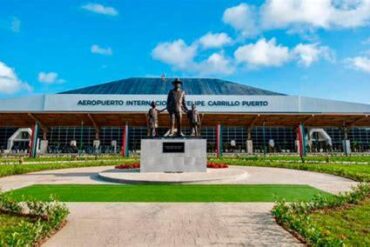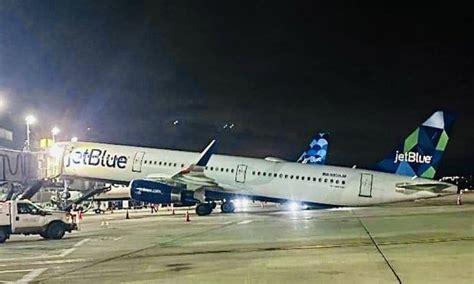
On June 19, 2025, a routine international flight aboard a JetBlue Airways Airbus A321neo turned into a harrowing ordeal just minutes after departure from John F. Kennedy International Airport (JFK). Bound for Las Américas International Airport in the Dominican Republic, Flight B69 was forced to return to New York following a violent encounter with severe turbulence that injured three passengers and inflicted structural damage inside the aircraft.
JetBlue Flight B69: What Went Wrong in the Sky
The incident began as Flight B69 climbed steadily into the summer sky over New York. At an altitude between 7,000 and 8,000 feet, the aircraft encountered a sudden and violent burst of turbulence. Passengers reported an abrupt jolt that threw several unbuckled individuals into the air. One 30-year-old male passenger, not wearing his seatbelt, was violently slammed into the cabin ceiling, resulting in a head injury and visible laceration.
Flight attendants, trained for such emergencies, moved quickly to assess and assist. With injuries confirmed and cabin panel damage apparent above the aisle, the flight crew made a critical decision: initiate an immediate return to JFK.
A Swift Emergency Response in the Air and on the Ground
Air Traffic Control was notified, and the A321neo was granted priority clearance for an expedited landing back at JFK. The return journey took roughly 45 minutes, during which the crew kept passengers calm and prepared for touchdown. Upon landing, emergency medical teams met the aircraft directly on the tarmac, where the injured passengers received immediate medical attention.
JetBlue’s decision to abandon the flight mid-journey reflected both prudence and protocol. When structural integrity is even potentially compromised, aviation standards dictate a conservative approach. The A321neo, which is just 5.7 years old, was immediately removed from service for thorough inspection.
Passengers Describe Panic and Chaos
First-hand accounts from passengers paint a picture of sheer confusion and fear. Overhead compartments snapped open. Beverages and personal items scattered across aisles. The cabin lights briefly flickered, adding to the sense of crisis. Parents clung to children. Flight attendants moved with urgency, securing loose items and offering reassurance.
“It felt like the whole plane dropped,” said one passenger after landing. “I’ve never felt anything like it. One minute I’m sipping my drink, the next I’m watching someone hit the ceiling.”
The dramatic moment highlighted how quickly even short-haul flights can become dangerous when nature asserts itself. For the 198 passengers onboard, what was meant to be a tranquil getaway to the Caribbean became a day of unexpected trauma.
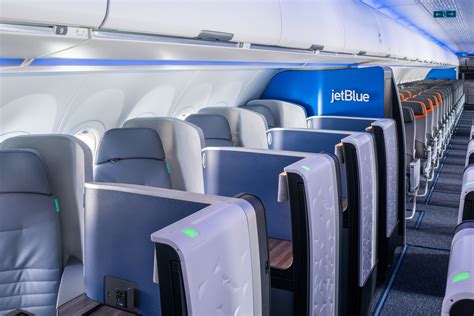
The Broader Picture: Turbulence in a Warming World
According to the National Transportation Safety Board (NTSB), turbulence remains the leading cause of in-flight injuries among passengers and crew. Experts now link the increasing frequency and intensity of turbulence to climate change, which is accelerating atmospheric instability and spawning more cases of clear-air turbulence — the kind not visible to radar and undetectable to the human eye.
This type of turbulence struck Flight B69 without warning, emphasizing the difficulty pilots face in predicting its occurrence, particularly during climb or descent.
Aviation meteorologist Dr. Rachel Lin of the National Center for Atmospheric Research notes, “Clear-air turbulence is the invisible killer. It doesn’t look threatening, but it can toss a widebody jet like a paper plane.”
JetBlue’s Response and Ongoing Investigation
JetBlue has confirmed that three passengers sustained injuries, all of whom were treated and released from a nearby hospital. In a statement, the airline expressed regret for the incident, emphasized its commitment to safety, and assured the public that a full investigation is underway.
The aircraft remains grounded as technicians conduct a detailed assessment of the cabin’s structural integrity, especially where the paneling was compromised. No mechanical failures were reported, and early data suggest the aircraft functioned as designed — highlighting the role of unpredictable weather rather than technical fault.
Lessons in Passenger Safety: The Seatbelt Reminder
Though the seatbelt sign had been on, noncompliance among passengers remains a chronic issue in aviation. Cabin crew regularly remind passengers to stay buckled while seated, but many ignore the guidance, particularly after takeoff. This incident, like many before it, showcases the critical importance of seatbelt adherence.
Had the injured male passenger remained belted, his head injury and the subsequent cabin damage might have been avoided. The airline community has long advocated for passengers to treat seatbelt use with the same seriousness as automobile safety restraints — a message this incident may help reinforce.
Growing Pressures During a Busy Travel Season
This episode also lands during a peak summer travel window, when JetBlue and other airlines are grappling with record-breaking passenger volumes, labor shortages, and high-profile scheduling demands. The added layer of unpredictable weather phenomena, from wildfires to turbulence, is putting additional strain on operations.
Flight B69’s diversion wasn’t just an inconvenience — it was a logistical domino effect. Replacement aircraft, rebooked connections, and crew reassignment followed, stretching resources already taxed by summer demand.
Still, JetBlue’s swift response and smooth handling of the return have earned it qualified praise. “They made the right call, and quickly,” said retired FAA inspector Mark Reardon. “In turbulence cases with injuries, minutes matter.”
Aviation Technology vs. Atmospheric Instability
Despite advanced weather radar systems onboard modern aircraft, clear-air turbulence remains frustratingly elusive. Innovations in real-time turbulence detection have helped, but most rely on data shared by other aircraft in the area or predictive modeling. In isolated patches like the one Flight B69 encountered, pilots often have only seconds to react.
Aviation analyst Laura Chen believes that more proactive passenger education, possibly using pre-flight turbulence briefings similar to safety videos, could increase compliance and awareness.
“Pilots can’t see every bump coming. Passengers need to know that. It’s time airlines told travelers more than just where the exits are,” Chen remarked.
A Wake-Up Call for the Aviation Industry
This turbulence event has reignited conversations within the aviation industry about potential regulatory adjustments, especially around turbulence readiness. Some airlines have begun exploring automated seatbelt alerts tied to motion sensors or cabin pressure changes, offering an additional layer of protection.
JetBlue is likely to review its safety briefing protocols, particularly during ascent and descent when turbulence is statistically more likely. For passengers, Flight B69 is a sobering example of how even a short lapse in judgment — like skipping a seatbelt — can lead to dangerous consequences.
Final Thoughts: Safety Above All Else
The skies may be growing busier, but with that comes renewed responsibility — both from airlines and the traveling public. Incidents like that of Flight B69 underscore a timeless aviation truth: the atmosphere remains unpredictable, and every flight must be treated with respect, caution, and attentiveness.
As investigators comb through flight data recorders and cabin video, more insights will emerge. For now, JetBlue continues to operate under heightened vigilance while offering rebooking assistance and support to the impacted passengers.
But perhaps the clearest message from this terrifying experience is the simplest one: Always wear your seatbelt. The skies may look calm, but just beyond the clouds may lie turbulence that no radar can see.
For the nearly 200 people aboard Flight B69, this flight will remain etched in memory — a vivid and violent reminder of nature’s unseen power, and the importance of staying prepared.