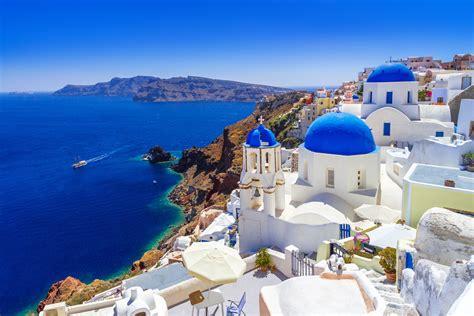
Romanian travelers are eagerly preparing for summer 2025, and the enchanting landscapes of Greece have emerged as their most desired escape. Despite the challenges posed by inflation and economic uncertainties, a substantial majority of Romanians are not only planning their holidays but are also willing to spend significantly more on them compared to previous years. A recent survey conducted by Raiffeisen Bank in collaboration with Appinio sheds light on this evolving trend, revealing that Romanians are ready to allocate larger budgets—up to fifty percent more—for their travel experiences, driven by an intrinsic desire for enriching leisure activities.
Greece’s appeal lies in its stunning beaches, historical islands, and laid-back Mediterranean charm, which resonate strongly with Romanian tourists. The survey indicates that approximately eighty-six percent of respondents had finalized their vacation plans by early summer, demonstrating a strong commitment to travel despite the prevailing economic conditions. Only a small fraction, about six percent, indicated they would skip a holiday this year, while twelve percent remained undecided. For many Romanians, a trip to Greece transcends mere tourism; it has become a cherished ritual that provides comfort and familiarity during these uncertain times.
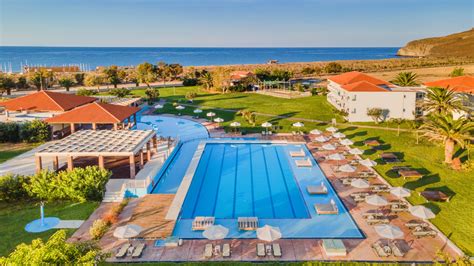
As the summer of 2025 approaches, it’s clear that seaside vacations are still at the forefront of Romanian travelers’ preferences. Nearly half of those surveyed expressed a preference for trips lasting between five and ten days, especially along the beautiful coasts of Greece. These extended getaways allow travelers to immerse themselves fully in their surroundings, offering a much-needed respite from the hustle and bustle of daily life.
While the allure of the sea remains potent, there is a noticeable shift towards alternative vacation styles. Weekend mountain retreats are gaining traction, with thirty-two percent of respondents favoring shorter breaks in nature. This growing interest aligns with the rising trends in eco-tourism and wellness-focused travel experiences. Urban tourism is also thriving, as twenty-five percent of participants opt for city breaks to explore cultural landmarks, local cuisines, and vibrant shopping districts. Additionally, twenty-one percent are gravitating towards off-the-beaten-path destinations for longer holidays, reflecting an increasing desire for tranquility and immersive experiences away from crowded tourist spots.
Despite the backdrop of economic uncertainty, the willingness to increase vacation budgets is evident among Romanian travelers. According to the survey, sixty-three percent of respondents anticipate spending ten to fifty percent more on their holidays compared to 2024. Factors such as inflation, rising accommodation prices, and increased service costs are driving this spending surge. The average travel budget for two individuals now stands at 7,200 lei, approximately 1,450 euros. However, this spending landscape varies widely; about twenty percent of respondents aim to keep their holiday costs below 3,000 lei (around 600 euros), while thirty-five percent have budgeted between 3,500 and 6,000 lei (roughly 700 to 1,200 euros). A more affluent segment, constituting five percent, is planning luxurious vacations with expenses exceeding 15,000 lei (over 3,000 euros).
Nevertheless, not all Romanians will embark on travels in 2025. The survey highlights that forty percent of respondents either lack the financial means or are uncertain about their ability to afford a trip this year. Other factors influencing their decision to forgo a holiday include time constraints, work commitments, or a need to allocate funds toward significant personal expenditures such as home renovations or education. This divide illustrates the contrasting attitudes toward leisure travel among Romanians—some are prioritizing enriching experiences, while others are compelled to delay or abandon their travel aspirations due to financial constraints.
To finance their summer getaways, Romanian travelers employ various strategies. The predominant method is advance saving, with fifty-eight percent of respondents setting aside funds specifically for travel. Additionally, forty-three percent rely on their disposable income to support their holiday expenses, while twenty percent utilize credit cards or vacation vouchers to bridge the gap between desire and affordability. This data underscores a growing awareness among travelers regarding budgeting and prioritizing valuable experiences, even amid financial limitations. The utilization of financial tools like vacation vouchers and credit options reflects how travel continues to be a significant priority for Romanians.
In summary, Romanian travelers are gearing up for more extravagant and prolonged summer holidays in 2025, with Greece standing out as the premier international destination amidst the backdrop of inflation and economic challenges. As the survey results indicate, there is a robust inclination towards seaside escapes, extended stays, and heightened vacation spending. Despite the complexities of the current economic climate, Romanians are demonstrating a resolute commitment to taking time off and embracing meaningful travel experiences. With a rich tapestry of cultural connections and timeless appeal, Greece remains an enduring favorite among Romanian tourists, as they reshape their holiday plans to ensure that their summer getaways are both rewarding and budget-conscious.