Summer travel plans in Greece for 2025 are shaping up very differently from years past. With financial pressures mounting, many Greek travelers are scaling back their vacation expectations. Instead of splurging on lavish trips, they are gravitating toward more practical, cost-efficient, and locally grounded getaways. According to recent findings, a significant 68% of participants pointed to reduced disposable income as a primary factor behind their cautious approach. Rather than embarking on luxurious cruises or international holidays, many are choosing to stay closer to home or skip travel altogether. About 52% of Greeks have decided not to travel during the upcoming summer, mostly due to financial difficulties or personal limitations. Among those who are still planning trips, only 14% expect to travel as usual, while 33% anticipate limited travel. Just 1% plan on taking extended vacations, suggesting that long, expensive trips are no longer seen as viable.
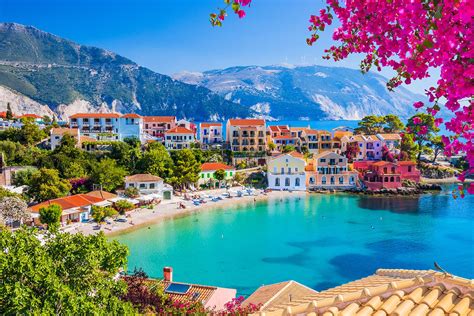
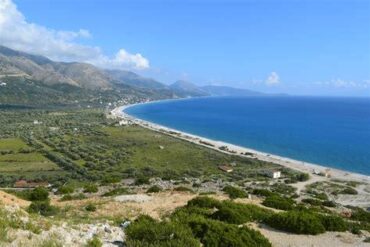
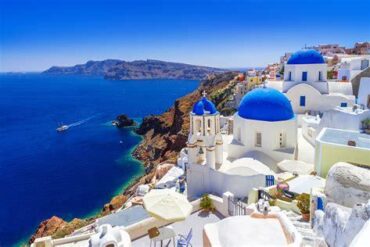
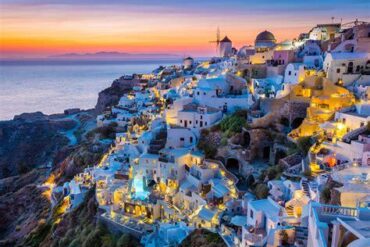
The allure of domestic destinations remains especially strong. Mainland coastal areas are the top pick for 60% of travelers, largely due to their accessibility and affordability. Islands, although traditionally popular, follow behind with 28%, and mountainous regions attract 12%. Surprisingly, only 9% are planning to go abroad—an indication of just how much international travel costs are affecting decision-making. High ferry ticket prices, expensive airfare, and foreign accommodation rates are deterring people from venturing too far from home.
A noticeable change is unfolding in lodging preferences. Many are turning to budget-friendly stays as a way to cut down expenses. 31% of travelers will be staying as guests in second homes, while 23% will utilize their own vacation properties. Hotels, especially those offering full services, are seeing reduced interest—just 7% are considering them, with 6% opting for stays without meals and only 1% choosing all-inclusive packages. Alternatives like rented rooms (21%) and camping (5%) are growing in appeal. International accommodations are also noted at 5%, though still considered a minority. This shift underlines a wider trend of avoiding premium lodging and embracing modest, cost-saving choices.
The trend toward self-reliance continues when it comes to meals. Instead of dining out, many vacationers are choosing to cook their own food. Half of the respondents said they cook frequently while traveling. Meanwhile, 62% shop regularly at supermarkets or mini-markets, and 71% stop by bakeries. An impressive 53% actively seek out local products, blending savings with support for the local economy. Only 21% mentioned that they never cook during their trips.
A closer look at spending patterns tells the full story. The average traveler sets aside €153 for groceries, dwarfing the amounts spent on other categories. Just €24 goes toward tourism-related goods, and €25 toward non-tourism items like clothing or electronics. Though total vacation spending often exceeds €200, the bulk of it is being funneled into basic needs like food, not entertainment or retail splurges.
The motivation to cut back is clear. 61% of vacationers say they plan to reduce non-essential spending this summer. The driving factors behind this include rising ticket prices (32%), higher accommodation costs (30%), more expensive dining (22%), and increased fuel prices (16%). These financial realities are steering people away from long-distance travel, frequent dining out, and luxury hotels, reinforcing a broader shift toward minimalist travel habits.
Even as people spend cautiously, local economies are seeing positive side effects. Many Greek travelers are channeling their spending into local shops and markets, keeping the holiday economy more community-based. Here’s how that looks in numbers: 60% buy from bakeries, 48% shop at larger supermarkets, 43% turn to smaller retail chains, and 32% use mini-markets. This approach blends cost-saving with a preference for authentic, local experiences, helping small businesses in tourist areas benefit from the domestic travel boom.
Vacations are not just becoming simpler—they’re also getting shorter. The average trip is expected to last around 11.3 days. Most travelers—38%—plan to be away for 8 to 14 days, while 24% are limiting themselves to just 4 to 7 days. The traditional, extended summer holiday is giving way to brief but budget-friendly escapes.
The shifts unfolding in Greece may serve as a blueprint for other countries facing similar economic challenges. As travelers begin to prioritize value over luxury, the travel industry must adapt by offering flexible, affordable, and locally enriching options. Budget tourism that leans into regional culture and practical choices could become the dominant model in a post-austerity travel world.
Looking ahead to summer 2025, it’s clear that the mindset of travelers is changing. For many in Greece, vacations are no longer about splurge and spectacle—they’re about making meaningful memories on a reasonable budget. By cooking meals, staying closer to home, and shopping locally, vacationers are not just saving money, but also helping to sustain local communities. This emerging travel culture, born out of necessity, may well define how we experience the world in the years to come.