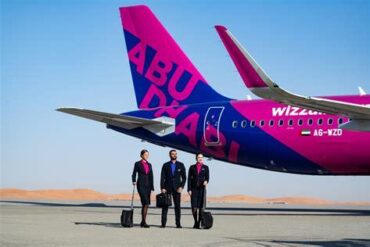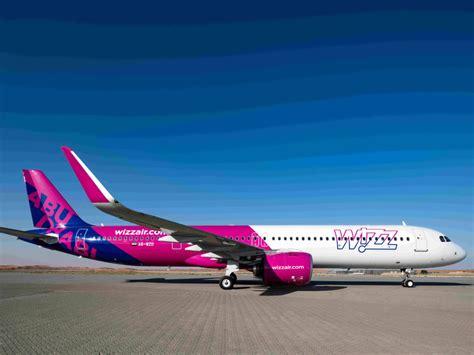
Wizz Air, the prominent low-cost airline, has officially announced its decision to cease operations in Abu Dhabi, marking a significant strategic pivot towards Europe by September 1, 2025. This decision concludes a five-year venture aimed at establishing a foothold in the Middle East, a region that posed numerous challenges to the airline’s ambitious expansion plans. The airline’s leadership cited a combination of operational difficulties, geopolitical instability, and regulatory hurdles as key factors leading to this withdrawal.
The Ambitious Beginnings of Wizz Air Abu Dhabi
When Wizz Air launched its Abu Dhabi operations in 2020, it was met with much optimism and high expectations. The airline aimed to leverage its ultra-low-cost business model in the Gulf region, hoping to connect travelers not just within the Middle East, but also to Asia, Africa, and Central Europe. Initial projections included building a fleet of 100 aircraft over 15 years, positioning Wizz Air Abu Dhabi alongside established regional giants like Emirates and Etihad Airways. However, as of mid-2025, the reality painted a stark contrast; the airline managed only 10 aircraft and struggled with a limited route network, far from its original aspirations.
Operational Challenges: Engine Reliability Issues
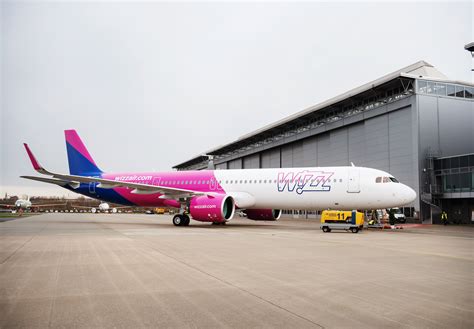
One of the most critical reasons behind Wizz Air’s exit from Abu Dhabi relates to operational challenges specifically tied to the Airbus A321neo fleet. These aircraft, central to Wizz Air’s budget model, faced significant performance issues in the region’s harsh climate. The extreme temperatures adversely affected engine reliability, leading to increased delays and cancellations. Such operational setbacks proved detrimental in a market where punctuality is paramount for customer loyalty and brand reputation.
The ongoing struggle with engine robustness not only impacted reliability but also complicated fuel efficiency, which is vital for any low-cost carrier. The airline’s management identified addressing these operational challenges as a top priority, leading to the strategic decision to redirect resources towards more reliable aircraft and markets where the airline had a stronger operational track record.
Geopolitical Instability and Airspace Restrictions
Wizz Air’s ambition to establish a strong presence in the Gulf region was further complicated by geopolitical instability. The Middle East has long been characterized by political tensions that have led to airspace restrictions and diplomatic disputes, hampering travel demand from both business and leisure sectors. The airline had envisioned its UAE-based operation as a springboard for accessing broader regional and long-haul markets, yet the unpredictable nature of the region made this goal increasingly unattainable.
As tensions continued to rise, Wizz Air’s management recognized the necessity of retreating from a market fraught with uncertainty, opting instead to concentrate on regions where stability and growth potential were more assured. This strategic withdrawal reflects a broader trend among airlines seeking to mitigate risks associated with operating in politically volatile areas.
Regulatory Barriers and Competitive Landscape
Compounding Wizz Air’s operational difficulties were significant regulatory barriers hindering its expansion efforts. The airline faced escalating costs and fierce competition from established carriers that had already cemented their dominance in the market. Local regulations, while generally supportive of aviation development, posed substantial challenges for new entrants like Wizz Air, limiting access to lucrative routes and airport slots.
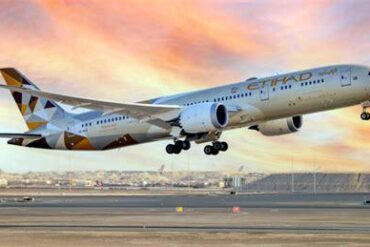
The dominance of local players, such as Emirates and Etihad, further exacerbated the situation. These established carriers command a large share of the market and often receive preferential treatment regarding airport access and government support. Consequently, Wizz Air’s competitive position weakened, as the airline struggled to achieve the growth necessary to compete effectively in a saturated market.
Focus on Core European Markets
In light of these challenges, Wizz Air has shifted its focus back to its core European markets, where it has historically thrived. The decision to withdraw from Abu Dhabi aligns with the airline’s strategy to consolidate its operations and allocate resources more effectively. Wizz Air plans to concentrate on routes in Central and Eastern Europe, as well as key markets in Austria, Italy, and the UK. These regions represent the heart of Wizz Air’s operations, where its ultra-low-cost model has proven successful in meeting the demand for affordable air travel.
By repurposing its fleet and prioritizing routes with strong passenger demand, Wizz Air aims to enhance capacity and profitability in a more stable and competitive environment. This strategic redirection is expected to foster deeper roots in the European airline market, allowing the company to navigate the complexities of the aviation industry more effectively.
Customer Impact and Rebooking Options
Wizz Air is committed to minimizing disruption for its customers as it exits the Abu Dhabi market. The airline has announced various rebooking options for passengers affected by the cessation of operations. Travelers with reservations beyond August 31, 2025, will receive refunds or alternative flight arrangements, ensuring that customer satisfaction remains a priority during this transition.
While the closure of the Abu Dhabi operation may inconvenience some travelers, Wizz Air is taking all necessary measures to protect customer interests and provide seamless travel solutions. The airline’s commitment to passenger satisfaction underscores its recognition of the importance of maintaining trust and loyalty, particularly in a competitive landscape.
Conclusion: A Strategic Retreat with Future Aspirations
Wizz Air’s exit from Abu Dhabi marks the end of its short-lived venture into the Gulf region, driven by a multitude of operational, geopolitical, and regulatory challenges that hindered its initial ambitions. Despite this setback, the airline remains focused on growth and expansion within its established European network, where it continues to be a dominant player in the low-cost airline sector.
By reallocating resources and concentrating on more secure and profitable markets, Wizz Air aims to preserve its assets for future opportunities. Although the Gulf region did not align with Wizz Air’s operational model, the airline’s ability to adapt and evolve demonstrates its commitment to meeting changing traveler patterns on a global scale. As Wizz Air navigates the complexities of the aviation industry, its strategic withdrawal from Abu Dhabi serves as a reminder of the dynamic challenges faced by airlines in an ever-evolving marketplace.