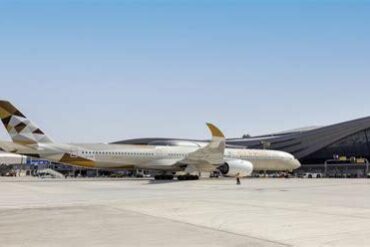
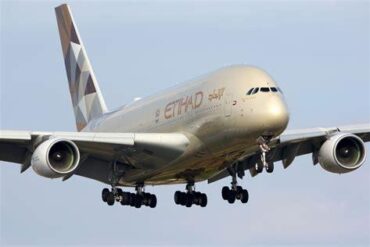
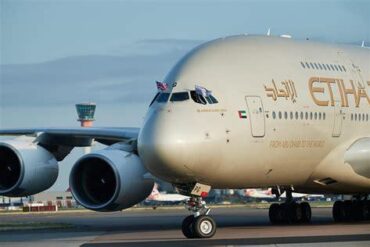
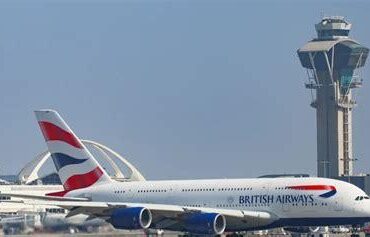
Etihad Airways has announced a major expansion of its U.S. route network, unveiling a new nonstop service between Abu Dhabi and Charlotte Douglas International Airport. This landmark decision marks the first time a Middle Eastern airline will serve the North Carolina hub, with flights scheduled to commence on May 4, 2026. The strategic move underscores Etihad’s commitment to expanding its global footprint while leveraging its deepening alliance with American Airlines.
Etihad Taps Into a New U.S. Market With Strategic Precision
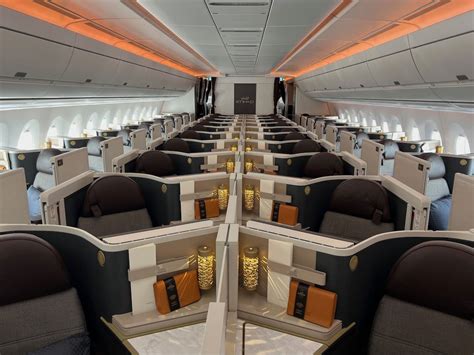
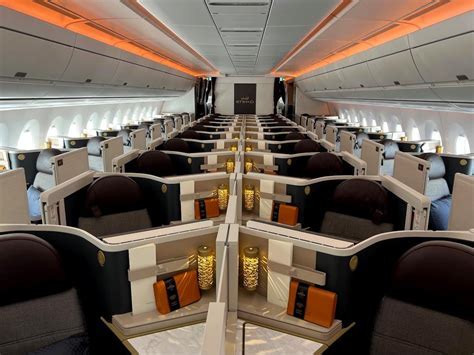
The Charlotte route, operated by the Boeing 787-9 Dreamliner, will initially run four times weekly and is poised to become Etihad’s third-longest route networkwide, trailing only Abu Dhabi–Atlanta and Abu Dhabi–Sydney. The Dreamliner’s configuration will be in a two-class setup, either 290 or 303 seats, depending on the aircraft version deployed.
This newly announced service will make Charlotte the second-longest international route from the airport and elevate its global profile. With flight EY15 departing Abu Dhabi at 03:15 local time and arriving in Charlotte at 10:15, and EY16 returning at 14:40 to arrive back in Abu Dhabi by 12:25 the next day, the schedule has been carefully optimized to connect with Etihad’s busy bank of North American arrivals.

Strengthening U.S. Ties Through the American Airlines Alliance
Charlotte Douglas serves as American Airlines’ second-busiest hub, and Etihad’s entrance into this market is a calculated effort to deepen its transatlantic alliance. By interlining with American’s vast domestic network, Etihad passengers will have seamless access to more than 150 U.S. destinations from Charlotte, dramatically improving connectivity and convenience.
Etihad Airways CEO Antonoaldo Neves emphasized the strategic value of the route in a statement:
“Charlotte represents a strategic addition to our U.S. network, unlocking direct access to one of the country’s most dynamic and fast-growing regions. We’re excited to be the first airline from our region to serve this market.”
This new link not only reinforces Etihad’s growing North American portfolio but also amplifies Abu Dhabi’s role as a global transit hub, particularly for passengers traveling between the United States, South Asia, and beyond.
Unlocking New Global Travel Corridors via Abu Dhabi
Etihad’s Charlotte route will predominantly cater to connecting passengers, particularly those traveling to and from South Asia, the Middle East, and East Africa. According to 2024 booking data, the Charlotte region generated over 215,000 round-trip passengers to these destinations—translating to nearly 600 daily travelers.
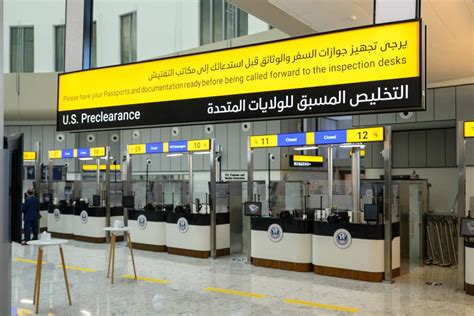
Notably, India emerges as the primary target market. Etihad will provide the most efficient one-stop access to numerous Indian cities, taking advantage of Abu Dhabi’s U.S. preclearance facility, which simplifies customs and immigration for inbound travelers to the United States.
Based on current data, these are the top origin-destination markets from Charlotte:
- Hyderabad: 21,000 round-trip passengers
- Mumbai: 15,000
- Delhi: 14,000
- Bengaluru: 12,000
- Chennai: 10,000
This demand underscores the untapped potential of Charlotte as a South Asian gateway, particularly when considering nearby Raleigh-Durham’s market, which contributes an additional 195,000 travelers annually to the same regions. With no current Middle Eastern carrier serving either airport, Etihad is stepping into a unique and lucrative position.
Etihad’s Expanding North American Presence
With the addition of Charlotte, Etihad Airways will now serve seven North American destinations:
- New York JFK
- Washington Dulles
- Toronto Pearson
- Chicago O’Hare
- Boston Logan
- Atlanta (starting July 2, 2025)
- Charlotte (from May 4, 2026)
The Abu Dhabi–Charlotte route, at 6,437 nautical miles (11,921 km), will surpass most of Etihad’s U.S. services in distance and highlights the 787-9 Dreamliner’s versatility and range. Currently, the aircraft type operates 46% of Etihad’s flights to North America, with the Airbus A350-1000 following at 39%, and the Airbus A380 covering the remaining 15%.

Charlotte Joins the Elite Club of Long-Haul Hubs
With Etihad’s arrival, Charlotte Douglas International Airport becomes only the second U.S. gateway with non-stop service to the UAE after New York. Furthermore, it becomes Etihad’s only destination in the Carolinas, expanding international access to a region previously underserved in terms of long-haul global connectivity.
Charlotte now joins the likes of New York, Washington, Chicago, and Toronto, positioning itself among key North American airports with direct links to the Gulf. Etihad becomes only the second non-U.S. long-haul carrier at Charlotte, following Lufthansa’s existing service to Munich. The route further distinguishes the airport as a rising star in international aviation.
The Competitive Edge: Preclearance and Seamless Travel
One of Etihad’s most compelling advantages lies in Abu Dhabi’s U.S. Customs and Border Protection (CBP) Preclearance facility. This allows U.S.-bound passengers to complete immigration and customs checks before departure, ensuring a hassle-free domestic arrival at Charlotte.
Such a facility gives Etihad a unique selling proposition, particularly for time-sensitive or high-value travelers who prioritize efficiency and convenience. This operational feature is expected to enhance loyalty among business travelers, who are significant in both the Charlotte and Raleigh-Durham regions.
Broader Implications for the Transatlantic and Gulf Markets
Etihad’s strategic entry into Charlotte signals a shifting dynamic in Gulf–U.S. aviation corridors. With twelve airlines currently operating between the Middle East and North America—including Emirates, Qatar Airways, Saudia, and Royal Jordanian—Etihad’s growth strategy emphasizes deep partnerships and targeted connectivity, rather than simple geographic expansion.
While Turkish Airlines is excluded from Middle East classifications due to its hub’s European location, it remains a significant player. Still, Etihad’s move to Charlotte bypasses competition with Turkish, instead focusing on a niche underserved by other Gulf carriers.
This not only helps Etihad to avoid price wars on saturated routes but also allows it to monopolize high-value traffic flows such as VFR (Visiting Friends and Relatives) and business travelers to South Asia. Additionally, Abu Dhabi’s geographical placement provides shorter transit times compared to European layovers.
Future Outlook: A Rising Role in U.S.–Middle East Aviation
Etihad’s expansion underscores a renewed ambition to reassert itself as a premier global connector. Following pandemic-era route reductions and strategic restructuring, the airline has gradually rebuilt a high-quality intercontinental network with efficiency at its core.
As passenger volumes rebound and demand for point-to-point and connecting long-haul travel surges, Etihad is poised to become a critical player in transcontinental aviation again. Its Charlotte service not only addresses latent travel demand but also fortifies Etihad’s long-term commercial viability in the United States.
With this route, Etihad continues its evolution from a hub-and-spoke player to a strategically positioned transnational carrier, integrating partnership-driven access, operational excellence, and high-yield route selection.
As the clock ticks down to May 2026, the aviation industry will be watching closely. Charlotte’s inclusion into Etihad’s prestigious Dreamliner network is more than just another route—it’s a bold statement of intent.