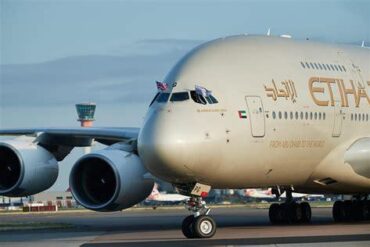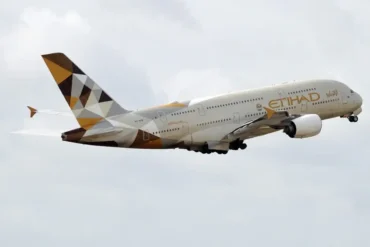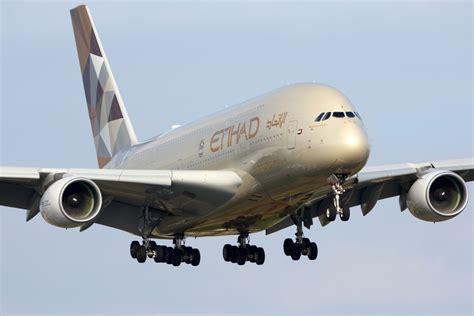
Etihad Airways is preparing a significant capacity surge on one of its most strategically important Asian routes, unveiling plans to operate the Airbus A380 daily between Abu Dhabi International Airport (AUH) and Tokyo Narita Airport (NRT) starting mid-June. The move introduces the carrier’s most iconic double-deck flagship back onto a high-demand corridor, signaling a renewed push in premium long-haul travel and a confident response to surging passenger volumes between the UAE and Japan. This shift replaces the current Airbus A350-1000 operation with a dramatic 115-seat increase per flight, transforming Etihad’s offer at a time when demand is hitting multi-year highs.
Etihad’s updated schedule confirms that flights will transition to the superjumbo from June 16, 2026, aligning the aircraft’s return with peak summer travel. As the airline steadily restores more of its mothballed A380s, this route benefits directly from the reactivation of an eighth aircraft—part of the airline’s broader strategy to expand its premium and high-density capacity. The decision also underscores the strength of the Japan market, where business travel, tourism, and bilateral economic activity continue to intensify.
The airline currently operates seven A380s, with two more planned to return in 2026. Etihad leadership has already confirmed that while the tenth aircraft will be parted out, the remaining nine will form a sharpened high-yield fleet focused on key global trunk routes.
Etihad Reactivates More A380s To Meet Rising Demand
Etihad executives described the upgauging as a measured response to “strong demand from customers for more seats to Japan,” reinforcing the importance of a route that connects two nations with deep commercial and cultural ties. The airline’s existing daily service already enjoys robust business-class uptake, and the A380’s disproportionately large premium cabin makes it a natural fit for this market.
Cirium scheduling data shows the current A350-1000 layout offers 371 seats. When the A380 takes over, total capacity leaps to 486 seats, representing a 31% increase and positioning Etihad to capture far more inbound leisure traffic and premium-class demand linked to corporate travel and strategic investment flows between the UAE and Japan.
Arik De, Etihad’s Chief Revenue and Commercial Officer, emphasized that the combination of demand resilience and premium appetite made next summer the right moment to deploy the A380. His comments align with Etihad’s broader network plan, which continues to prioritize business-heavy markets across Asia and Europe.
A Daily Schedule Designed For Maximum Connectivity
Etihad will maintain its eastbound service number EY800, with the A380 scheduled to depart Abu Dhabi at 21:25, touching down in Tokyo Narita at 12:45 the next day. After a five-hour turnaround, return service EY801 will depart Narita at 18:00, landing back in Abu Dhabi at 00:20.
These timings preserve seamless connections across Etihad’s Middle East, African, and European networks while optimizing transit options for passengers bound for Japan’s domestic destinations. The evening departure from Narita also offers excellent onward connectivity for connections through Abu Dhabi into the early morning arrival wave.
Inside The Aircraft: The Flagship Experience Returns
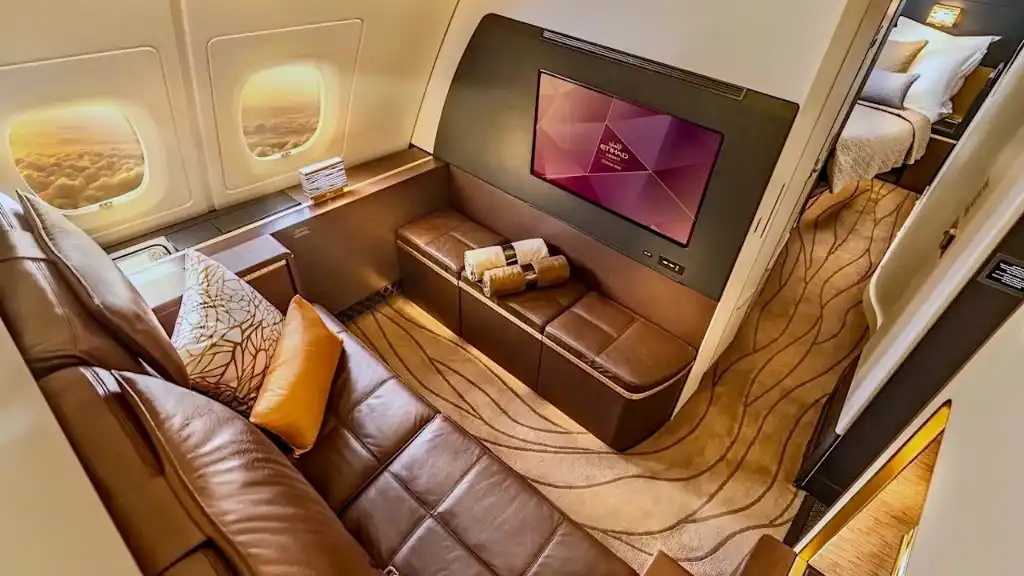
The A380 marks a dramatic upgrade in comfort and exclusivity. Etihad’s superjumbo features the Residence, a three-room private suite unmatched anywhere in commercial aviation. Only two passengers per flight can book this space, which includes a living room, bedroom, and a private ensuite bathroom.
The remainder of the upper deck houses 11 First Class suites and 70 Business Class seats, arranged in a spacious 1-2-1 layout offering direct aisle access. Travelers in both cabins benefit from Etihad’s signature premium soft-product program and an onboard lounge area that encourages movement and relaxation on the long transcontinental sector.
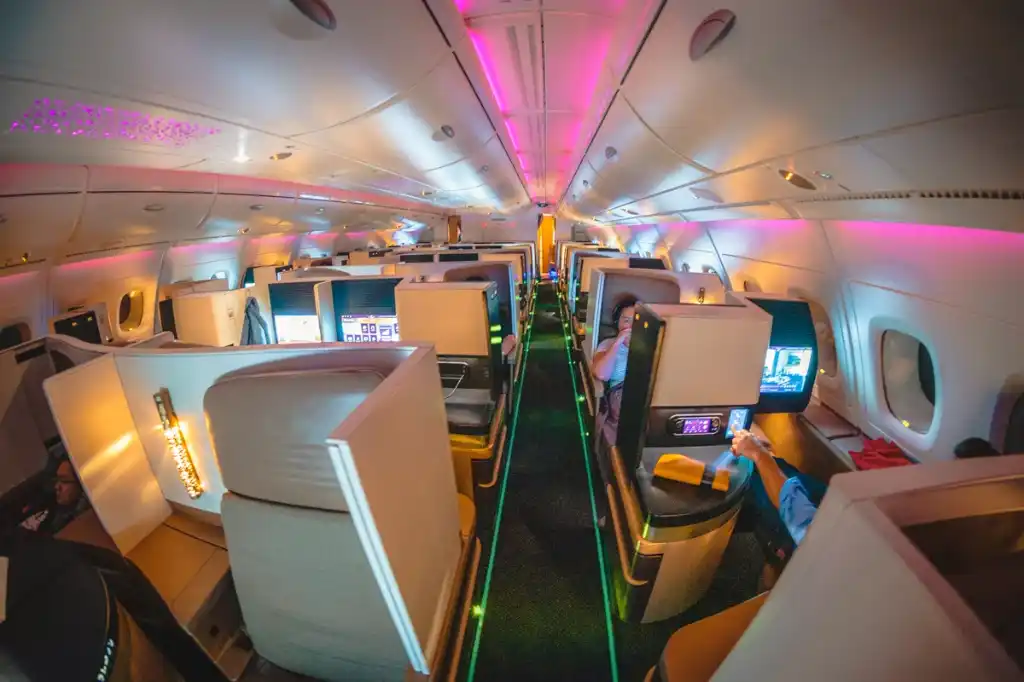
The lower deck holds 405 Economy Class seats, designed to serve high-volume markets while preserving comfort for the nearly 11-hour flight. The A380’s unmatched cabin quietness and spaciousness remain among its strongest selling points for long-haul travelers.
Strengthening Etihad’s Competitive Position In Japan
Etihad’s daily service remains the only nonstop link between Abu Dhabi and Tokyo. However, competition in Japan is heating up. Emirates already deploys the A380 daily to Narita and uses the 777-300ER for its Haneda flights, commanding significant market share between the Gulf and Japan. Etihad’s decision to reintroduce the A380 signals an intent to protect and grow its position by anchoring the route with its most luxurious and spacious flagship.
The timing also reflects Japan’s growing appeal to UAE travelers, with record tourism flows, expanded bilateral cultural programs, and new investment agreements lifting demand beyond pre-pandemic levels. Japan-bound leisure traffic from Europe, India, and the Middle East also benefits substantially from Etihad’s well-timed Abu Dhabi connections.
The airline’s return to A380 operations on this route hints at further long-haul expansion as additional superjumbos rejoin the fleet over the next cycle. With demand for premium cabins surging globally, Etihad is positioning itself squarely in the center of the new long-haul boom.
A Broader Signal Of Etihad’s Post-Pandemic Evolution
The reinstatement of the A380 on the Abu Dhabi–Tokyo route mirrors a broader renaissance of the aircraft after several global airlines initially retired it. As travel demand surges and premium markets regain strength, the superjumbo’s efficiency at scale has become an asset instead of a liability.
For Etihad, deploying the A380 daily to Tokyo is not merely a fleet utilization decision—it represents a statement of ambition. The airline is sharpening its identity as a boutique-style global carrier with heavy premium emphasis, strategic route planning, and a growing footprint in Asia’s most lucrative aviation markets.
The story of the A380’s return is far from over, and Tokyo now becomes one of its most important stages as Etihad deepens the connection between the Gulf and one of the world’s most compelling travel destinations.