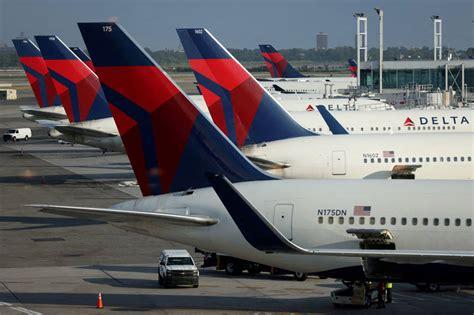
Delta Air Lines is taking bold strides to redefine its identity in the skies by pivoting sharply toward premium travel—a move that reflects not only changing consumer behavior but a recalibration of long-term strategy. In a sweeping announcement on July 12, 2025, the Atlanta-based carrier confirmed significant investments aimed at reducing Main Cabin capacity while expanding high-end seating options and services across its fleet. This shift underscores Delta’s intention to dominate the growing luxury travel market while phasing out its reliance on budget-conscious passengers.
The Premium Pivot: A Strategic Response to Demand Surge
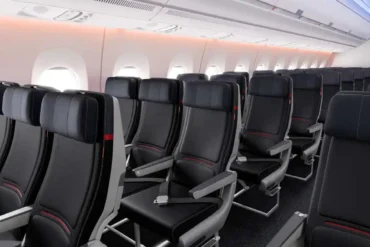
Delta’s transformation is rooted in hard financial data and shifting passenger expectations. While Main Cabin revenue dropped by 4% year-over-year in Q2, premium cabin revenue surged nearly 6%. The message is clear: high-end travelers are not only back, they are driving profitability. As a result, Delta has opted to reduce Main Cabin seating by 1% by the end of summer 2025, a seemingly modest figure that belies a more profound realignment.
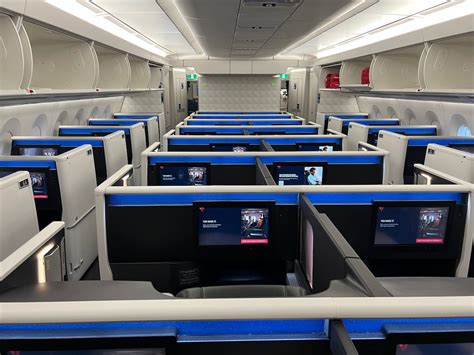
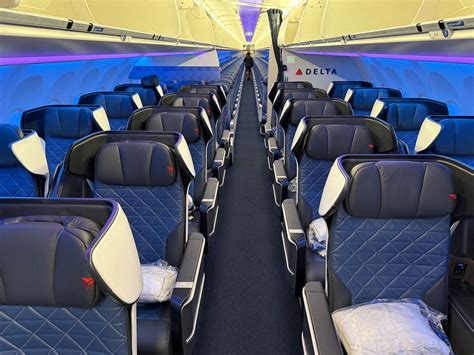
This decrease allows room for more premium seats, including Delta One Suites, an expanding Premium Select offering, and enhanced First Class seating. These upgraded cabin experiences will take flight aboard Delta’s newest aircraft, including Airbus A321neos, A330neos, and A350s, known for their technological sophistication and passenger comfort.
Redefining the Cabin Experience: Delta One Suites and Beyond
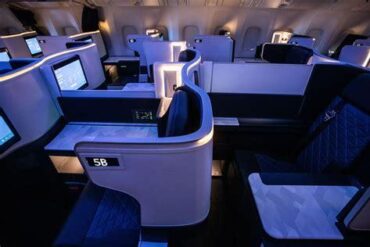
At the heart of Delta’s new luxury push are its Delta One Suites, which provide a fully lie-flat experience with privacy doors, direct aisle access, memory foam cushions, oversized entertainment screens, and upgraded meal service curated by world-class chefs. This product, once exclusive to international routes, is now expanding across domestic long-haul and transcontinental flights, signaling a massive upgrade in what premium travel means within the United States.
Meanwhile, First Class is receiving a redesign to bridge the gap between Premium Select and Delta One. These seats will now offer greater recline, additional legroom, enhanced dining options, and personalized service. The Premium Select cabin, Delta’s premium economy product, is being rolled out across more aircraft and routes, offering wider seats, more recline, elevated meal service, and priority boarding.
Good, Better, Best: A New Fare Structure to Maximize Value
Coinciding with the premium overhaul is a reimagined “Good, Better, Best” fare structure, launching October 1, 2025. The system introduces three tiers—Basic, Classic, and Extra—each tailored to offer varying degrees of flexibility, perks, and pricing. This pricing matrix is designed to nudge consumers toward premium cabins by delineating services that were once bundled. For instance:
- Basic fares offer the lowest price with limited flexibility and no seat selection.
- Classic fares include standard services, such as seat choice and one checked bag.
- Extra fares add elevated perks like Sky Priority access and preferred seating.
The model encourages travelers to weigh comfort and convenience against cost, inevitably steering high-yield customers toward Delta’s premium offerings.
Elevated Ground Experience: Delta Lounges and Sky Clubs Reimagined
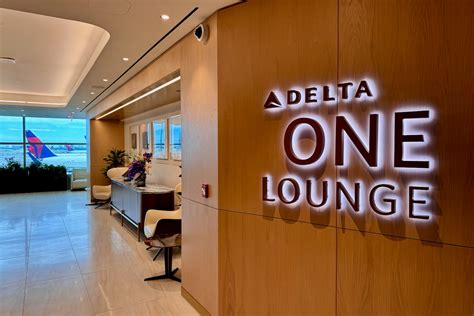
Delta isn’t limiting its luxury rebranding to the skies. The airline is heavily investing in its airport ground experience, including the debut of dedicated Delta One lounges in major hubs like New York-JFK, Los Angeles (LAX), and Atlanta (ATL). These lounges are designed as sanctuaries for elite travelers, featuring private workspaces, gourmet dining, cocktail bars, spa amenities, and even personal concierge service.
Simultaneously, Delta Sky Clubs are undergoing major enhancements to reflect the airline’s premium commitment. Expect redesigned interiors, improved dining with locally sourced gourmet meals, wellness-focused amenities, and expanded seating capacity—all intended to elevate the pre-boarding experience.
Fleet Modernization: Retrofitting for a Unified Premium Experience
Delta’s commitment to the luxury travel segment is also evident in its aggressive fleet modernization plan. Key updates include a multi-year retrofit of the Airbus A330-200 and A330-300 aircraft, replacing the dated reverse herringbone layout with state-of-the-art Delta One Suites. This move ensures a standardized premium experience across Delta’s global network, regardless of aircraft model.
Additionally, A330-900neos and A350s—flagships of the Delta fleet—are being reassigned to high-demand international markets, including routes from Seattle, Boston, and Detroit. These widebody aircraft offer significantly more premium seating, optimizing long-haul flights for high-margin passengers and aligning fleet positioning with demand trends.
Trimming the Fat: Reducing Main Cabin Routes for Profitability
To further support its premium strategy, Delta is cutting back on underperforming Main Cabin routes, particularly during off-peak days and midweek travel. The airline is consolidating capacity around profitable hubs and times, improving load factors and economies of scale while reallocating resources to more lucrative premium services. This decision allows Delta to increase yield per seat and minimize costs associated with low-demand flights.
Such capacity adjustments also reflect the airline’s focus on international growth, where premium demand remains strongest. Expect to see increased service to Europe, Asia-Pacific, and South America, with premium-configured aircraft leading the way.
Financial Implications: Betting Big on High-Yield Customers
The numbers support Delta’s realignment. The airline projects that by 2027, revenue from premium cabins—including Comfort+, Premium Select, Delta One, and First Class—will surpass economy class revenue for the first time in company history. This projection is fueled by both business travel recovery and a new wave of affluent leisure travelers willing to pay for comfort, privacy, and status.
Delta’s Chief Commercial Officer noted that “Premium travelers are not just back—they’re here to stay. We’re investing accordingly.” This is not merely a marketing repositioning, but a deliberate revenue transformation, leveraging the high-yield potential of premium services to shield against economic volatility and low-cost competition.

Looking Ahead: Delta’s Premium Gambit in a Competitive Sky
As Delta accelerates toward a premium-dominated future, its strategy raises questions about broader industry implications. Will other full-service carriers follow suit? Can Delta continue to extract loyalty and spend from a customer base used to budget options? One thing is clear: the airline is no longer playing the volume game—it’s chasing margin over mass.
Its success will hinge on maintaining consistency across all touchpoints—from digital booking experiences to ground services and in-flight execution. If Delta can deliver on its luxury promises while managing operational efficiency, it could emerge as the North American leader in premium commercial aviation.
The skies are changing. With a calculated pullback from economy seating, an overhaul of aircraft interiors, a redefined pricing structure, and lavish ground amenities, Delta Air Lines is no longer just a legacy carrier—it’s becoming a luxury brand.