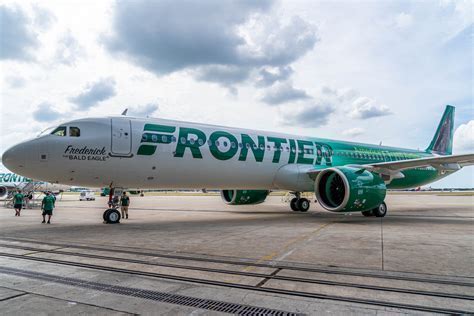
In a bold move set to redefine affordable air travel in the Northeast, Frontier Airlines has unveiled a significant expansion of its 2025 schedule, introducing increased flight frequencies from Boston Logan International Airport (BOS) and John F. Kennedy International Airport (JFK) in New York. The announcement marks a strategic milestone in the carrier’s long-term plan to dominate key domestic corridors by offering more accessible, budget-friendly travel choices without compromising convenience or flexibility.
Boston Gets a Boost: Expanded Service to Key Domestic Hubs
Starting early 2025, travelers flying out of Boston will enjoy increased flight frequencies to Denver, Orlando, and Philadelphia—three pivotal destinations in the domestic travel landscape. Frontier’s move is expected to benefit both leisure and business travelers, offering an array of options that cater to varying schedules and needs.
Boston Logan, long seen as a competitive gateway to New England, plays a dual role as a regional business hub and an international transit point. Frontier’s new flight schedule ensures that passengers now have the opportunity to depart at more convenient times, accommodating early morning meetings in Denver or family trips to Orlando with greater ease.
Moreover, the increased flights will enable more efficient connecting opportunities for passengers en route to the West Coast and Southern U.S. cities. This move isn’t just about boosting seat count—it’s about increasing value and time savings for travelers who demand agility and reliability in their travel planning.
New York Expansion: Frontier Strengthens Foothold at JFK
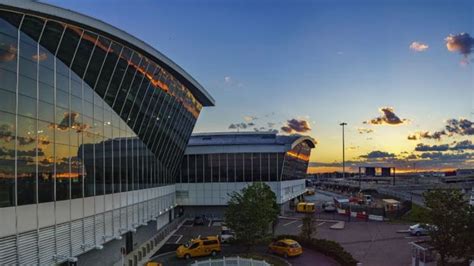
Over at New York’s JFK Airport, one of the busiest aviation gateways in the world, Frontier is doubling down by launching more frequent services to Miami, Dallas Fort Worth, and Atlanta. These additions aim to capture a larger share of a highly competitive market by appealing to travelers seeking affordable fares from the tri-state area.
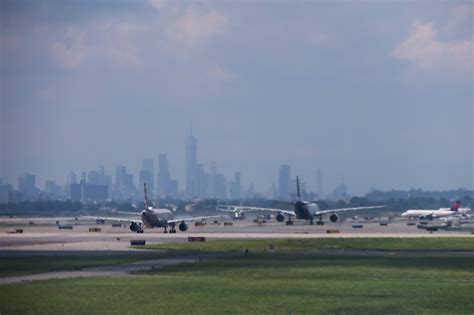
This is a calculated move: Miami continues to be a top destination for both domestic tourists and Latin American connections. Meanwhile, Dallas Fort Worth and Atlanta are massive nodes in the national air travel grid. By increasing flight availability to these cities, Frontier is not only enhancing customer convenience but also positioning itself to benefit from higher passenger volume and load factors at JFK.
A Response to Surging Demand for Flexible, Budget-Friendly Travel
Frontier’s expansion is not arbitrary—it’s a direct response to the post-pandemic travel boom, where passengers prioritize flexibility, affordability, and convenience. As hybrid work models proliferate and leisure travel rebounds with full force, passengers are demanding more choices—something legacy carriers often fail to offer at budget prices.
Frontier’s ultra-low-cost model means that even with added frequencies, the airline maintains its competitive pricing structure. This directly appeals to price-sensitive travelers, particularly families, young professionals, and small business owners who want options without exorbitant costs. It’s also a compelling alternative for those who prioritize point-to-point efficiency over luxury in-flight experiences.
Connecting More Than Just Cities: Enhanced Regional Mobility
The real story here isn’t just about big city connections—it’s about enhancing regional mobility. By increasing flight volumes out of Boston and New York, Frontier is also opening doors to greater intra-U.S. connectivity.
Passengers will find it easier to plan multi-leg itineraries, catch connections to smaller airports, or adjust travel times based on their own preferences. This is especially beneficial for regional travelers heading to conferences, family events, or educational institutions. The airline is essentially strengthening the travel spine of the Eastern U.S., allowing passengers to explore, work, and meet with greater efficiency.
A Win for Local Economies and Tourism Sectors
Frontier’s move is also poised to inject economic vitality into the cities it serves. More flights mean more passengers, and more passengers lead to increased spending in local markets. Hotels, restaurants, and local attractions in Boston and New York are set to benefit from the uptick in travel traffic.
Tourism boards in both cities are likely to welcome the change, especially as they continue efforts to revitalize urban economies through inbound travel. Furthermore, business travelers now have more flexibility to plan last-minute trips, fostering economic opportunities in consulting, finance, and other knowledge-based sectors.
Maintaining Cost Leadership Without Compromising Choice
What sets Frontier apart in this wave of expansions is its unwavering commitment to keeping fares low. Unlike many airlines that increase ticket prices under the guise of added value, Frontier maintains a transparent pricing model that prioritizes core transportation at a minimal base fare.
This strategy is backed by a la carte services that allow passengers to tailor their experience. Need just a carry-on? Pay for what you use. Want to choose a seat? You have the option. This model keeps ticket prices competitive while empowering travelers to control how much they spend.
The expanded services at BOS and JFK further cement Frontier’s appeal to a broad demographic. Whether you’re a college student flying home, a small business owner closing deals, or a family planning spring break, the airline now offers more ways to travel smartly without exceeding your budget.
Strategic Growth Backed by Real Market Intelligence
Frontier’s route strategy is clearly data-driven. By expanding services on high-demand corridors like BOS–DEN, JFK–MIA, and BOS–PHL, the airline is acting on insights into passenger flow trends, seasonality, and regional growth patterns. These aren’t speculative route gambles—they’re precision-aligned moves that match real-world travel needs.
The focus is as much on route profitability as it is on passenger satisfaction. Frontier knows that consistent frequency leads to higher load factors, which in turn improves operational efficiency and margins. By scaling up at two of the nation’s busiest airports, the airline is also flexing its operational capacity and sending a clear message to legacy competitors: the low-cost model is here to stay, and it’s scaling up.
Future Outlook: From Frequency to Network Expansion
Looking forward, Frontier has signaled intentions to keep expanding its network footprint, both by boosting frequencies and introducing new routes. The airline is eyeing untapped and underserved markets while continuing to reinforce its presence in high-traffic corridors.
Expect further investments in cities that combine economic resilience with high travel volume potential. Markets in the Midwest, Southeast, and Pacific Northwest are likely candidates for new connections, and international expansions could also be on the horizon depending on regulatory environments and bilateral agreements.
The goal is clear: establish Frontier as the go-to choice for affordable, flexible, and accessible air travel across the U.S. and eventually into key international destinations. If the BOS and JFK expansions succeed, they will serve as the model for future growth strategies.
Final Thoughts: A Milestone in Democratizing U.S. Air Travel
Frontier Airlines’ increased flight frequencies at Boston Logan and JFK Airport in 2025 mark a transformative chapter in the airline’s operational strategy and its service to American travelers. This is not just about more planes in the air—it’s about empowering people to travel affordably, conveniently, and frequently, regardless of their income bracket or travel purpose.
In an industry often skewed toward premium experiences, Frontier’s decision to double down on value-driven air travel offers a welcome alternative. Passengers now have more choices, better flight times, and increased flexibility—all without inflating costs.
As the year unfolds, travelers can expect more routes, greater reliability, and continued savings. With its bold 2025 expansion, Frontier Airlines isn’t just adding flights; it’s reshaping how America flies.