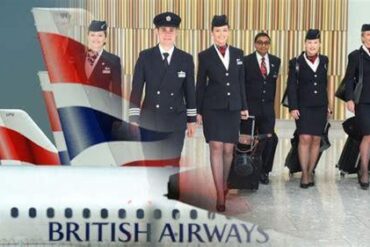
Passengers often assume that arriving early at the airport could offer them a chance to get on an earlier flight. However, British Airways’ refusal to allow a simple early flight change without a massive £900 charge has reignited concerns over the airline’s inflexible policies. A recent case at London Heathrow Airport has brought this issue into sharp focus, highlighting not only passenger frustration but also the broader disconnect between airline revenue strategies and evolving customer expectations.
A Passenger’s Frustration Becomes a Flashpoint
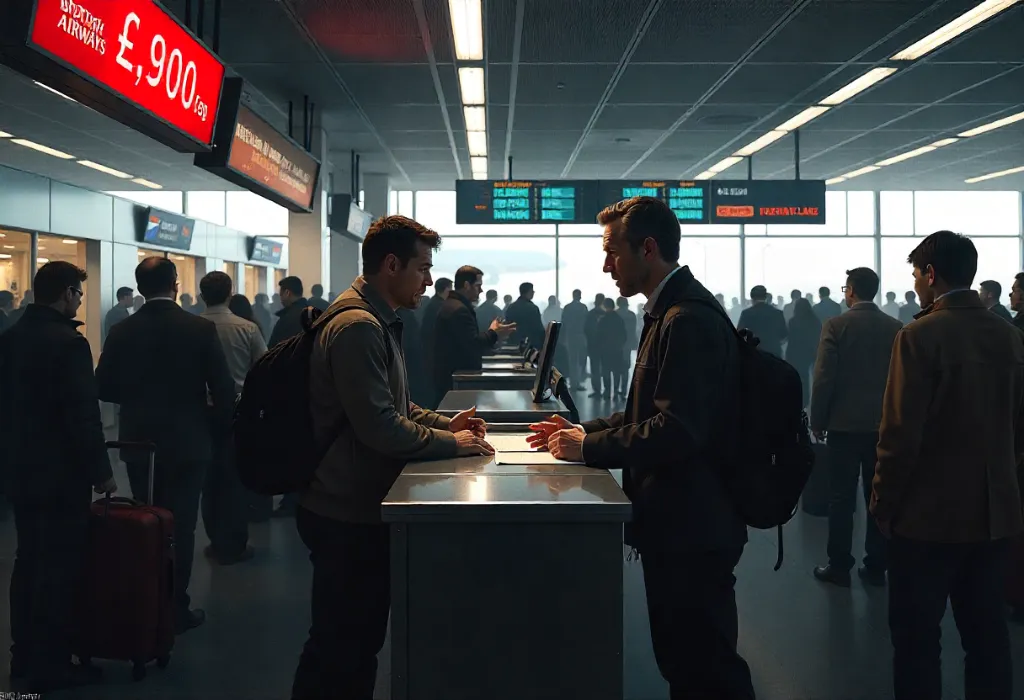
The incident involved a passenger who had arrived well ahead of time for a British Airways flight to Istanbul. Traveling with only cabin baggage and already cleared through security, the traveler approached a British Airways agent with a straightforward request: switch to an earlier flight that was confirmed to have empty seats.
What followed was nothing short of confounding. Although seats were indeed available, the passenger was informed that the only way to access them was through a £900 upgrade to Club Europe—British Airways’ business class. The original ticket price? Just £266.
This stark discrepancy underscores a critical problem in the way British Airways handles flight flexibility. For the passenger, it was less about luxury and more about efficient time management, especially when the available seat was otherwise going unused. The rejection of a modest request, unless paired with a disproportionately high payment, left the traveler not only grounded but also deeply dissatisfied.
Revenue Management vs. Passenger Experience
At the heart of British Airways’ rigid policy lies the doctrine of revenue management. Airlines meticulously calculate fares using dynamic pricing models that aim to maximize profitability on every seat. From this perspective, each empty seat is a carefully preserved opportunity—kept open in hopes of a last-minute premium booking.
However, this strategy fails to account for modern passenger expectations, especially as more airlines embrace customer-centric flexibility. U.S. carriers such as Delta Air Lines and American Airlines have long recognized the value of offering same-day flight changes for nominal fees—typically around $75 (£56)—or even for free in certain fare classes.
In contrast, British Airways’ insistence on business class upgrades for earlier departures places convenience behind commercial rigidity, sending a message that loyalty and practicality matter less than arbitrary fare gates.
The Missed Opportunity: Leveraging Unused Seats
From an operational standpoint, letting a ticketed passenger move to an earlier flight—particularly when seats are unfilled—presents multiple advantages. It can:
- Reduce no-show rates for later flights.
- Minimize congestion at boarding gates.
- Help redistribute passenger loads more evenly.
- Offer a better customer experience that translates into brand loyalty.
Allowing earlier changes can be a win-win—yet British Airways seems committed to a strategy that prioritizes immediate revenue extraction over long-term gain.
The refusal to permit the change without a hefty price tag also points to a failure of adaptive thinking. With increasingly tech-savvy travelers and mobile check-in systems, passengers today expect fluidity, not bureaucratic resistance. This rigid approach not only damages brand perception but also risks falling behind competitors in customer satisfaction rankings.
Business Travelers and the High Cost of Inflexibility
The group most affected by these policies is business travelers, who are often pressed for time and dependent on adaptable scheduling. For them, being able to catch an earlier flight can be the difference between attending a meeting or missing a connection.
British Airways’ inflexible stance essentially penalizes this crucial segment of its customer base. Offering a modest same-day change fee—as practiced by leading global carriers—could drastically enhance satisfaction, reduce friction, and even improve overall fleet efficiency.
Moreover, the perception that a premium upgrade is the only pathway to flexibility cheapens the business class product. It transitions business class from a premium, deliberate choice into a forced upsell that passengers must accept or reject out of frustration.
Competitive Disadvantage in a Customer-First Era
Airlines are increasingly judged not just by their safety record or in-flight services, but also by how well they adapt to passenger needs. In an era where travelers can book, rebook, and cancel flights from their smartphones, flexibility has become a service standard, not a premium option.
By clinging to rigid fare rules and overpriced upgrades, British Airways risks being perceived as outdated and unresponsive. This is especially damaging when compared to its transatlantic peers, whose flexible rebooking policies appeal to a wide range of travelers.
These policies are not merely cosmetic—they reflect a deeper cultural shift in the airline industry. Airlines that evolve to meet changing expectations are those that will command loyalty and remain profitable in a hyper-competitive market. Airlines that don’t, risk alienating their customer base, one passenger at a time.
Why £900 Makes No Sense
In this particular incident, the requested change wasn’t about accessing a better product; it was about functional convenience. With the earlier flight having empty seats and the passenger already at the gate, the operational cost of accommodating the switch would have been negligible.
Instead, the airline enforced a £900 barrier that defies practical logic. Not only was the fee disproportionate, but it also represented a lost opportunity to:
- Enhance customer experience.
- Free up a seat on a later flight that might command a higher price.
- Project British Airways as a brand willing to work with its customers, not against them.
The absurdity of the upgrade charge is amplified when one considers that the seat was going unused regardless. The refusal to offer even a reasonable fee for the switch paints British Airways as more interested in protecting pricing algorithms than servicing real passengers with real needs.
A Case for Policy Reform: Lessons from U.S. Carriers
U.S. airlines have proven that reasonable same-day change fees can coexist with profitability. By allowing passengers to switch to earlier flights within the same day and routing—often for free or for under $100—these carriers:
- Increase customer satisfaction.
- Reduce administrative overhead related to rebookings and missed connections.
- Improve load balancing across their network.
British Airways has the resources and infrastructure to implement similar flexibility but chooses not to. This is not a question of capability—it is a question of corporate philosophy. It reflects a stubbornness that fails to align with a market that increasingly favors convenience, value, and control.
The Broader Implications for the Airline Industry
This event is not an isolated incident—it’s symptomatic of a broader issue within legacy carriers that cling to antiquated fare structures in the face of customer-centric innovation.
Passengers are no longer passive recipients of air travel. They are informed, connected, and empowered, expecting the same seamless adaptability from airlines that they receive from ride-sharing apps or hotel platforms. Refusing to accommodate them—especially for a simple, logical request—undermines brand equity and long-term viability.
British Airways’ decision to deny the change, rather than charge a reasonable fee, should serve as a wake-up call. The future of airline profitability does not lie in guarding every empty seat like a vault—it lies in maximizing value through service agility.
Final Thoughts: Time for British Airways to Evolve
The £900 flight change debacle should not be viewed simply as a frustrating anecdote, but as an inflection point. The airline must confront the widening gap between its policy framework and the needs of its customers.
A simple solution exists: introduce a fair, transparent early change fee structure. Doing so would preserve revenue goals while demonstrating responsiveness and care. It would also align British Airways with global best practices that treat passengers not as revenue units, but as valued travelers.
In the increasingly personalized world of air travel, flexibility is no longer a luxury—it is a necessity. British Airways has a choice: evolve or risk losing the very loyalty that built its brand.
For travelers, the message is equally clear. Until British Airways and others shift course, they must be prepared to face stiff costs for simple conveniences, and they would do well to research policies before choosing an airline.
The next time you arrive early at the gate, don’t assume the airline will reward your punctuality. Sometimes, it may just cost you £900.