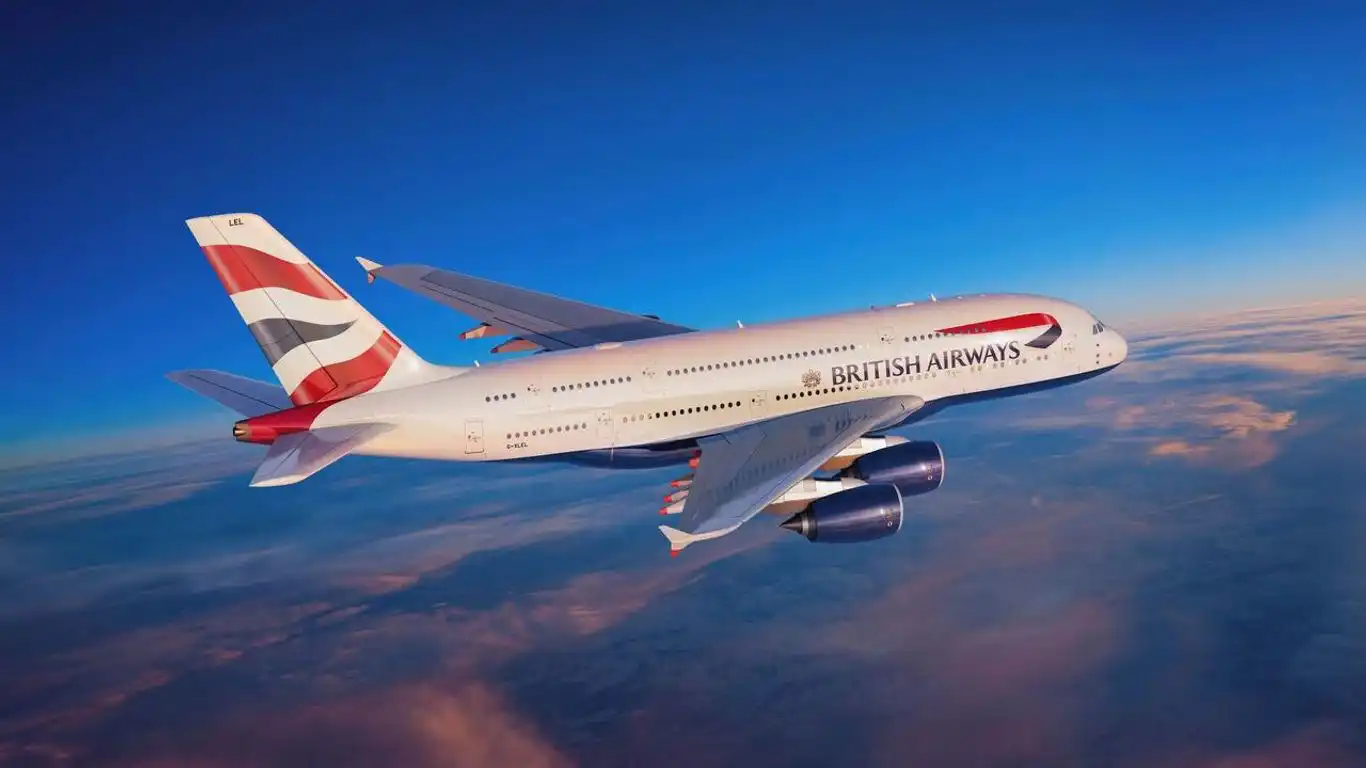
British Airways (BA) is facing intense criticism following the recent announcement of its revamped BA Club loyalty programme, which has significantly increased the spending thresholds required for members to achieve elite tier status. Initially aimed at addressing past grievances, this overhaul has sparked new frustrations among frequent flyers, many of whom feel that the revised requirements are excessively high and unrealistic.
The heart of the controversy lies in the new spending thresholds associated with earning tier points through the BA-branded American Express (Amex) card. These tier points are essential for reaching coveted membership tiers such as bronze, silver, and gold, all of which offer valuable benefits like priority boarding, lounge access, free seat selection, and cabin upgrades. The latest revelation states that members must now spend a staggering £25,000 on their Amex Premium Plus card to earn the maximum 2,500 tier points. This figure not only comes with a hefty annual fee of £300, but it also represents just a fraction of the points needed to achieve gold status, which requires 20,000 tier points in total.
This steep requirement has left many loyal customers disillusioned, as they express their dissatisfaction with what they perceive as an exorbitant cost to attain even mid-tier statuses. The backlash was swift and vocal, with numerous members taking to social media platforms to voice their concerns. They argue that the new structure disproportionately favors high spenders and leaves those with more modest budgets feeling alienated.
To further complicate matters, the transition to a spend-based tier point system marks a significant departure from BA’s traditional method of awarding points based on distance flown. In December, the airline announced that tier points would now be determined by the ticket price, aligning itself with a broader industry trend that rewards customers for their financial commitment rather than the miles they travel. While this shift may seem logical from a business perspective, it has raised eyebrows among frequent flyers who relied on the previous model to maximize their loyalty benefits.
As part of the new structure, BA members can earn tier points through various spending levels: 750 tier points for spending £15,000, an additional 750 tier points for spending another £5,000, and a further 1,000 tier points for an extra £5,000. Despite this breakdown providing some clarity, many frequent flyers remain dissatisfied, particularly those who have set their sights on gold status. Even with the maximum £25,000 expenditure on the Amex card, members will still need to spend an additional £17,500 on flights and holidays to meet the gold status target, excluding taxes. Although special promotions may offer minor reductions in these thresholds, the overall sentiment reflects a growing frustration with the high financial barriers to entry.
In contrast, the revised programme has made silver status—which requires 7,500 tier points—more attainable. Silver status provides several perks, including fast-track security access, lounge privileges, priority boarding, and free seat selection. With the adjustments in the loyalty programme, members can now achieve silver status more easily through Amex spending combined with a few premium economy flights. For those aiming for bronze status, which requires only 3,500 tier points, the updated system has simplified access significantly. Members who fully utilize the tier points available through the Amex card will only need to spend an additional £1,000 (excluding taxes) on a flight to reach bronze status. A premium economy return flight to popular destinations like the United States or Dubai could readily fulfill this requirement, making it a realistic goal for many dedicated customers.
One of the most controversial aspects of this new loyalty programme is the reduced earning period. Due to delays in announcing the revised Amex spending requirements, members now find themselves with a shortened window to accumulate tier points for the current membership year. The earning period will close in January 2026, leaving members with less than two years to achieve their desired status. While BA has attempted to mitigate this concern by offering members 500 tier points as a gesture of goodwill, many frequent flyers feel that this compensation falls short, especially given the lost time for earning potential.
Critics argue that the revised loyalty programme effectively caters to high earners, further entrenching exclusivity within the BA Club. The £25,000 required to earn maximum tier points approaches the average annual salary in the UK, raising alarms that the loyalty scheme is becoming increasingly elitist. There is a palpable fear that long-standing loyal members, who previously leveraged strategic spending during sales and promotions to attain high-tier statuses, may feel marginalized under the new system. However, BA has defended its changes, asserting that the old programme allowed some customers to reach gold status with minimal spending, particularly through discounted business and first-class tickets. The airline contends that the new structure aims to reward those who consistently engage with BA’s services, ensuring that the highest-tier benefits are reserved for the most dedicated members.
Looking ahead, British Airways has confirmed that members holding the Premium Plus card will continue to earn 1.5 Avios for every £1 spent, along with 3 Avios for each £1 spent directly with British Airways and British Airways Holidays. Additionally, members who manage to spend £15,000 during the membership year will still receive a Companion Voucher, allowing them to book a flight for a companion at half the standard Avios cost, excluding taxes.
As BA navigates the implications of these changes to its loyalty programme, the airline faces the formidable challenge of balancing the desire to reward high spenders while retaining loyalty among its wider customer base. Many members are keenly observing how these new policies will influence their flying experiences with British Airways. Will the new system enhance the perceived value of loyalty, or will it drive away those who have been steadfast supporters? The future of BA’s loyalty programme hinges on its ability to address these concerns and whether the revised structure can deliver on its promises without alienating its most loyal customers.
In conclusion, the criticisms surrounding British Airways’ new loyalty programme encapsulate a broader tension within the airline industry, reflecting changing consumer expectations and spending behaviors. As airlines increasingly pivot towards models that prioritize revenue generation over traditional loyalty metrics, frequent flyers are left to grapple with the evolving landscape. Whether British Airways can adapt to these shifts while maintaining a sense of inclusivity and loyalty remains a pivotal question for both the airline and its dedicated customer base.