In the competitive landscape of American aviation, 2025 has seen a reshuffling of airline dominance, with carriers pushing the boundaries of service quality, reliability, and passenger satisfaction. This year’s rankings underscore how legacy and low-cost carriers alike are adapting to a post-pandemic, tech-driven, customer-centric travel era. While Delta Air Lines maintains its long-standing throne, unexpected shifts in the rankings—especially the rise of Southwest Airlines to third place—reflect deeper operational strategies and evolving customer priorities.
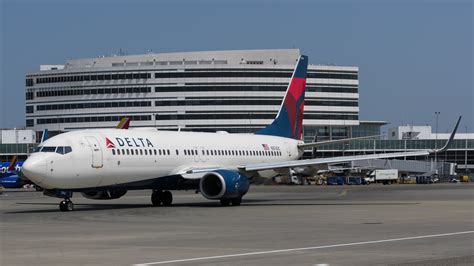
Delta Air Lines: Unmatched Leadership from ATL
For the seventh consecutive year, Delta Air Lines (DL) has dominated the U.S. airline rankings. Headquartered in Atlanta, Georgia, Delta’s rise has not been without challenges. A significant IT outage in 2024 threatened its operational rhythm, yet the airline’s rapid recovery solidified its reputation for resilience. The key pillars of Delta’s supremacy in 2025 include:
- Reliability: Leading in on-time arrivals and minimizing cancellations.
- Passenger Experience: Upgraded cabins with free high-speed Wi-Fi and enhanced premium seating.
- Operational Consistency: Despite increased volume, mishandled baggage and passenger bumps remain among the lowest in the industry.
Delta’s major weakness continues to be affordability, especially as its premium offerings become more exclusive. Yet, for business travelers and loyalty-focused flyers, it remains the gold standard.
United Airlines: Loyalty Powerhouse with Global Muscle
United Airlines (UA) has climbed to second place, backed by one of the strongest frequent flyer programs in North America. Operating out of Chicago O’Hare (ORD), United’s edge in 2025 lies in its expansive international route network, strategic Star Alliance partnerships, and elevated elite status perks.
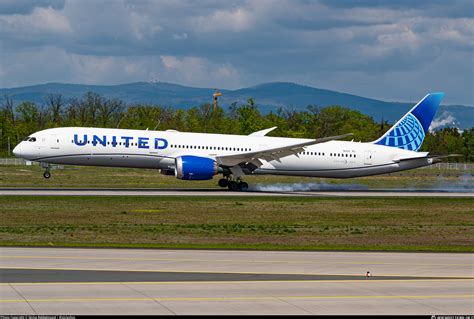
The airline has also addressed prior weaknesses in baggage handling, implementing AI-driven tracking systems to reduce lost luggage incidents. However, fare pricing remains an issue, especially for domestic leisure travelers.
Southwest Airlines: The Affordable Surprise of the Year
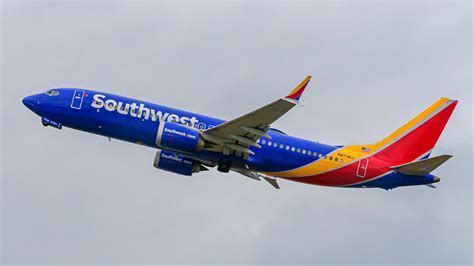
Perhaps the most unexpected revelation in this year’s rankings is Southwest Airlines (WN) leaping into third place. The Dallas-based airline has refined its operational performance, registering the lowest cancellation rate in 2024, even outperforming larger legacy carriers.
The hallmarks of Southwest’s rise include:
- No change fees and free checked bags, a consistent customer favorite.
- Improved cancellation management, reflecting post-2022 lessons.
- High satisfaction ratings, particularly among budget-conscious flyers.
However, the airline still lacks airport lounges and has recently introduced new bag fees, which may affect its 2026 standing.
Alaska Airlines: West Coast Favorite with Room for Growth
Dropping to fourth, Alaska Airlines (AS) remains a beloved carrier for family travel and West Coast flyers. Headquartered in Seattle, it dominates the travel experience category thanks to thoughtful policies like generous change flexibility and strong airport lounge offerings.
But 2025 hasn’t been without missteps. Alaska struggled with mishandled mobility devices, prompting scrutiny from accessibility advocacy groups. That said, its upcoming joint loyalty program with Hawaiian Airlines could restore some lost luster.
Hawaiian Airlines: Timeliness Meets Island Hospitality
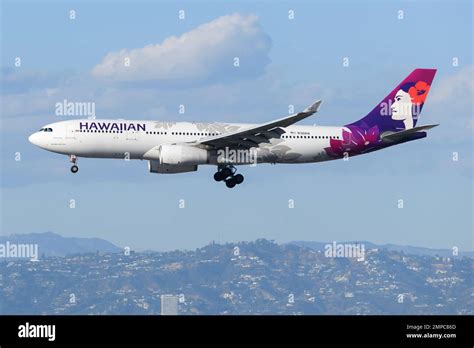
Rising to fifth, Hawaiian Airlines (HA) has bounced back admirably from 2023 wildfire disruptions. Known for its on-time performance and authentic in-flight Hawaiian experience, the carrier operates out of Honolulu (HNL) and has kept its service profile tight but highly effective.
Its biggest limitation remains its limited route network, restricting its appeal mostly to Pacific-based or island-bound travelers.
JetBlue Airways: Best Cabin in the Sky, Slowed by Delays
Holding firm at sixth, JetBlue Airways (B6) continues to set the standard for cabin experience. Features like seatback entertainment, free Wi-Fi, and more legroom remain industry-leading. Operating out of New York’s JFK, JetBlue offers a boutique airline feel with mid-tier pricing.
But timeliness continues to be its Achilles’ heel, particularly in congested East Coast airspace. Additionally, its lounge network lags behind other full-service carriers.
American Airlines: A Declining Giant
American Airlines (AA) has slipped to seventh place, underscoring deep-rooted operational issues. From its base in Fort Worth (DFW), the airline still commands one of the largest domestic networks, but customer experience and baggage handling have deteriorated.
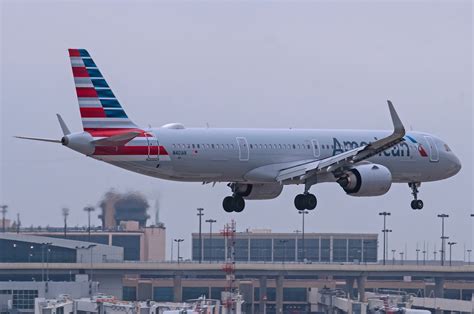
Despite offering a relatively valuable loyalty program, American’s premium service offering is underwhelming, and its profitability trails its peers. Customers are increasingly opting for Delta or United for long-haul flights.
Allegiant Air: Quietly Reliable in Key Areas
At eighth, Allegiant Air (G4) from Las Vegas has carved out a niche as a low-disruption carrier, excelling in baggage handling and low involuntary bumping rates. Though its loyalty program is weak and its cabin offerings minimal, families seeking low-cost domestic getaways are loyal to Allegiant.
The airline’s strategic focus on secondary airports allows it to avoid congestion, though it sacrifices connectivity and flexibility.
Spirit Airlines: Pure Budget, Pure Trade-Offs
Remaining at ninth, Spirit Airlines (NK) continues to dominate the ultra-low-cost segment. Its strength lies in unbeatable base fares, often undercutting competitors by significant margins. However, this comes with well-known downsides: high ancillary fees, uncomfortable seating, and poor scores on mobility device handling.
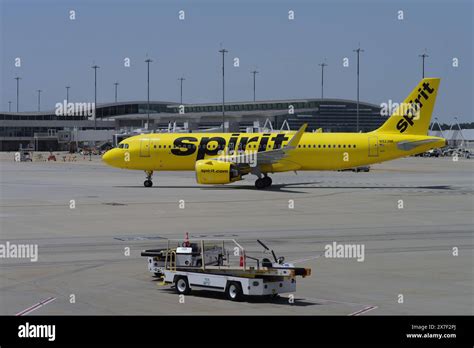
Still, the airline has improved its app and self-service offerings, making the experience slightly smoother for seasoned travelers who know what to expect.
Frontier Airlines: Struggling to Keep Up
Rounding out the list at tenth, Frontier Airlines (F9), based in Denver (DEN), continues to struggle with reliability and customer satisfaction. It registered the highest bumping rate in the country—an embarrassing stat in an era when passengers expect certainty.
Its ultra-low-cost model results in high ancillary fees and a barebones travel experience. Despite competitive fares, Frontier’s lack of consistency keeps it at the bottom.
Reliability Still Rules the Skies
Reliability accounted for 30% of the ranking criteria and once again emerged as the differentiator between top-tier and bottom-tier airlines. The most reliable carriers—Delta, Hawaiian, and Southwest—have all shown the ability to minimize cancellations, delays, and bumping incidents.
In contrast, Frontier and American showed persistent shortcomings in this domain. Allegiant surprised industry watchers by registering strong numbers in baggage handling, a former weakness.
Travel Experience: Comfort Is No Longer Optional
In 2025, cabin quality and lounge access became decisive factors for many travelers. JetBlue, Alaska, and Delta have significantly improved their offerings, with innovations like upgraded entertainment systems, power at every seat, and wellness-focused meals.
Delta’s new “Delta One” lounges in JFK, LAX, and BOS generated buzz but also long lines—highlighting the challenge of balancing premium services with demand.

Cost and Network: Strategic Expansion, Subtle Price Hikes
Airfare costs rose modestly in 2024, with the industry average per 1,000 miles reaching $235.27. Southwest leads in affordability when factoring in fee transparency, while United owns international travel with its expansive Star Alliance footprint.
Budget airlines remain price leaders on base fares, but extra charges erode this advantage quickly. American’s domestic coverage is unmatched but doesn’t translate into superior value.
Loyalty Programs: A Clear Divide
United’s MileagePlus program dominates thanks to global reach and redemption availability. Alaska’s Mileage Plan also ranks high and is set to become even more appealing with its upcoming merger with Hawaiian Airlines.

At the other end, budget carriers still lack compelling rewards, though Southwest’s Rapid Rewards remains simple and transparent despite some point devaluations.
Final Thoughts: The Sky Belongs to Those Who Adapt
In 2025, the U.S. airline industry rewards adaptability, customer-centric innovation, and operational discipline. Delta continues to be the carrier to beat, while United has become a frequent flyer favorite. The big story, however, is Southwest’s strategic revival, defying expectations by combining reliability with cost-efficiency.
As travel demand rises and digital expectations soar, the gap between legacy excellence and budget efficiency continues to shrink. The top carriers of 2025 aren’t just those with large fleets or wide networks—they’re the ones who listen to their passengers and act with precision.