As Fourth of July travel reaches an all-time high in 2025, the skies above the United States and major global hubs like London, Cancun, Frankfurt, Rome, and Paris are poised to become the busiest they’ve been in over a decade. According to the Federal Aviation Administration (FAA), an estimated 300,000 flights will operate between July 2 and July 8, marking the most significant spike in air traffic during the Independence Day week in 15 years. This surge reflects not only the eagerness of Americans to travel but also the rising demand for international getaways.
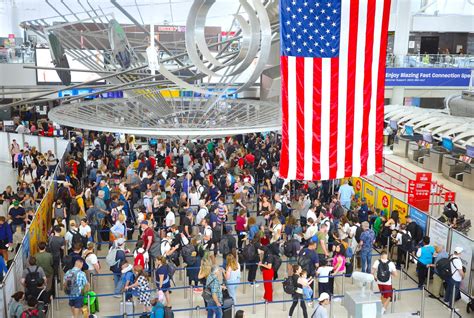
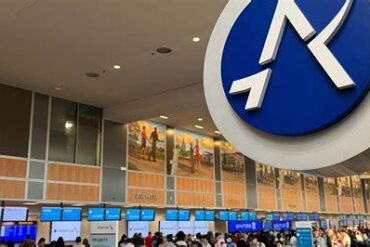
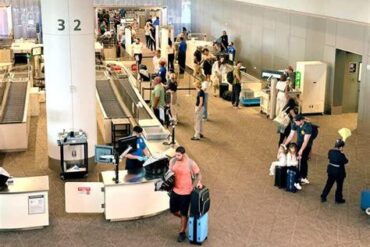
The Transportation Security Administration (TSA) is also preparing for its own record. With projections indicating over 18.5 million passengers to be screened throughout this period, peak day traffic on Sunday, July 6, alone is expected to exceed 2.9 million travelers. The logistics of managing such traffic levels will push U.S. airport infrastructure to its limits, but airlines are already adapting with proactive measures, additional staffing, and operational adjustments.
United Airlines: Surpassing 6 Million Passengers and Expanding Global Reach
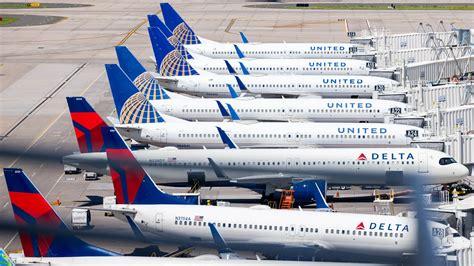
United Airlines stands out with its bold projection to fly 6 million passengers over the holiday period. This comes as part of a larger summer strategy targeting 50 million travelers, a significant rise of 3 million compared to 2024. The airline’s busiest days—June 27 and July 3—will each see about 580,000 passengers passing through United’s gates.
Where United truly shines this season is in its international portfolio. Bookings to London, Cancun, Frankfurt, Rome, and Paris have seen an increase of nearly 5% year-over-year, affirming that post-pandemic wanderlust is still driving transatlantic and Caribbean travel.
However, not everything is soaring. The airline has opted to cut domestic flights by 4%, citing softened demand and economic uncertainties. As a result, its revised earnings forecast has been downgraded to $7–$9 per share, a notable dip from the earlier $11.50–$13.50 expectations. This strategic pivot suggests a realignment of resources toward more profitable and stable international markets.
Delta Air Lines: Betting Big on International Markets Amid Domestic Slowdown
Delta Air Lines is not far behind in numbers. Between June 28 and July 7, the carrier is set to transport 5.8 million passengers, a 6% increase compared to the previous year. Like United, Delta is seeing robust international demand while domestic growth remains tepid.
Top destinations for Delta’s passengers include Tokyo, Paris, and Amsterdam, further reflecting a trend where long-haul international travel continues to outperform domestic routes. The airline’s busiest travel days are anticipated on June 29 and July 6, when daily passengers will peak at approximately 580,000.
Yet despite this growth, Delta has exercised caution by withdrawing its full-year financial forecast. Economic headwinds, including fears of recession and fluctuating oil prices, have forced the carrier to manage expectations and focus on operational excellence during peak travel periods.
American Airlines: Keeping Pace with Industry Trends Despite No Public Forecasts
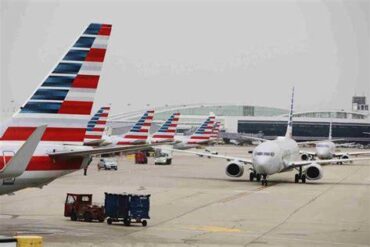
American Airlines is expected to handle similarly massive volumes, although it has not publicly released specific passenger forecasts for the holiday week. Still, internal indicators suggest a strong alignment with the broader industry surge. Both domestic and international flights are experiencing a significant uptick, especially as passengers increasingly opt for longer vacations during the extended July 4th window.
The airline is reportedly adjusting flight schedules and bolstering customer service teams to handle the rush. Passengers are encouraged to stay updated via the American Airlines mobile app and official website, where travel alerts, gate changes, and updated boarding protocols are being posted in real-time.

TSA and FAA Brace for Historic Travel Volume with New Tech and Protocols
To address the logistical challenges of this unprecedented travel week, the TSA has implemented several upgrades and operational strategies. From July 1 to July 7, the agency is fully staffed and has rolled out new screening technologies to expedite the process and enhance security.
Passengers are urged to adhere to the TSA’s updated “Prepare, Pack, Declare” protocol—especially for items like firearms, which must be unloaded and locked in hard-sided cases as part of checked luggage. This clear directive aims to streamline processing and minimize delays caused by security breaches.
Meanwhile, the FAA predicts that Thursday, July 3, will be the single busiest travel day, with more than 51,000 flights scheduled. Airlines are planning 27,000 daily operations, about 4% more than last year. This jump in traffic underscores just how vital operational efficiency will be during the holiday week.
Economic Caution Tempers Optimism Despite Passenger Boom
While airlines enjoy record bookings, their financial forecasts are more muted. United Airlines has lowered its adjusted profit projections due to weaker domestic travel demand. Similarly, Delta and Frontier Airlines have chosen to withdraw their full-year earnings guidance, indicating concern over potential volatility in the second half of 2025.
This paradox of booming travel paired with cautious economic outlook reflects shifting passenger behavior—where travelers prioritize fewer, higher-value trips abroad rather than frequent short-haul domestic flights. The strength of the U.S. dollar, combined with a global rebound in tourism, continues to tilt the balance in favor of international travel.
Top International Hotspots for U.S. Travelers This Independence Day
While domestic favorites like Orlando, Las Vegas, and Honolulu still see substantial traffic, a growing number of U.S. travelers are eyeing international destinations. According to booking data:
- London remains a top transatlantic destination, bolstered by cultural events and favorable currency exchange rates.
- Cancun draws sun-seekers with its beach resorts and proximity.
- Frankfurt serves as a major European hub for travelers heading deeper into the EU.
- Rome offers historical allure and culinary experiences.
- Paris, ever-iconic, has seen increased demand due to major summer festivals and exhibitions.

Smart Travel Tips for Navigating the Holiday Rush
With the sharp spike in air traffic, travelers are strongly advised to plan strategically. Here’s how to make the most of the holiday experience:
- Arrive Early: At least two hours before domestic and three hours before international flights.
- Stay Updated: Use airline mobile apps to monitor gate changes, delays, and boarding times.
- Travel Light & Right: Familiarize yourself with TSA regulations, particularly for carry-ons and prohibited items.
- Pack Essentials Separately: Ensure that passports, medications, and chargers are easily accessible.
While long lines and crowded terminals may seem inevitable, a little foresight can go a long way in transforming the Fourth of July travel week from stressful to seamless.
The New Normal for Holiday Air Travel
This Fourth of July week underscores a broader trend: holiday air travel is back, and it’s more global than ever. The sheer scale of passengers flying to and from the U.S. reflects not just a seasonal surge but a fundamental shift in how Americans are vacationing. With Delta, United, and American Airlines at the helm of this logistical feat, and with millions choosing international cities over local ones, the global travel renaissance is well underway.
But as airlines adjust to shifting demands and macroeconomic turbulence, operational resilience and financial flexibility will be key. Passengers, meanwhile, are rediscovering the joys—and challenges—of navigating the world during one of the busiest times of the year.