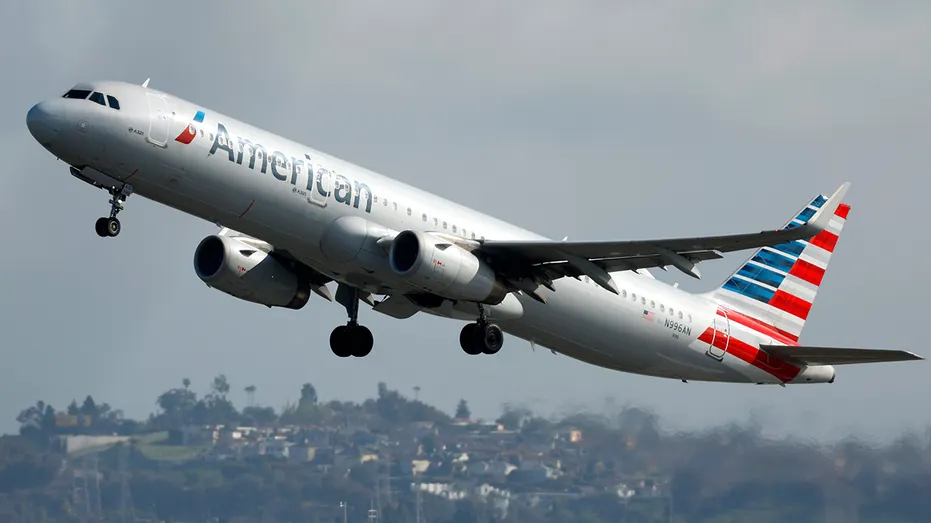
A lengthy American Airlines flight delay has ignited renewed debate over airline reliability after Congressman Max Miller publicly criticized the carrier, calling it “incompetent” following a disruption that prevented him and two fellow lawmakers from reaching Washington, D.C. in time for scheduled House votes. The incident unfolded during one of the busiest travel periods of the year, drawing national attention not only because elected officials were affected, but also because it highlighted the operational challenges airlines face as passenger demand surges during the Independence Day holiday season.
According to reports, the delayed flight remained on the ground for an extended period before ultimately returning to the departure gate, leaving passengers stranded and unable to continue their journey as planned. For Miller and the other members of Congress onboard, the consequences extended beyond inconvenience, as the delay reportedly caused them to miss important legislative votes in the House of Representatives. The lawmaker later took to social media to express frustration, accusing the airline of operational failures and demanding greater accountability for the disruption.
Although delays are an everyday reality across commercial aviation, incidents involving public officials often receive far greater public scrutiny. The episode has once again placed American Airlines, the world’s largest carrier by passenger traffic, under the spotlight as travelers increasingly question whether airlines can consistently deliver reliable schedules during periods of exceptionally high demand.
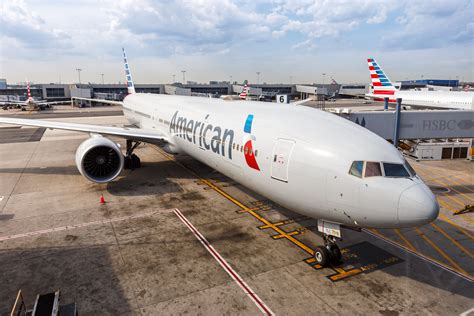
Flight Delays Often Trigger Wider Operational Problems
What appears to passengers as a single delayed flight is rarely an isolated operational event. Modern airline networks function as highly interconnected systems where aircraft, pilots, cabin crews, maintenance teams, airport gates, and air traffic control schedules are carefully synchronized throughout the day.
A single aircraft may operate several different routes before the day ends. When one flight experiences a significant delay, that same aircraft often arrives late for its next assignment, affecting every subsequent departure on its schedule. Crew duty time regulations may further complicate recovery efforts, while gate availability and maintenance requirements can create additional bottlenecks that ripple throughout an airline’s network.
Industry studies examining airline scheduling have repeatedly demonstrated that delay propagation remains one of the largest contributors to network-wide disruptions. Even relatively minor operational setbacks can evolve into widespread delays affecting hundreds of flights if airlines are unable to recover quickly.
This interconnected system explains why airlines sometimes struggle to restore normal operations after what initially appears to be a localized issue. While passengers understandably focus on their individual flight, airline operations teams must simultaneously manage thousands of moving pieces across an entire national and international network.
Holiday Travel Places Airlines Under Exceptional Pressure
The disruption occurred just as millions of Americans began traveling for the July Fourth holiday, traditionally one of the busiest periods on the U.S. aviation calendar. Every Independence Day week places extraordinary pressure on airlines, airports, and the nation’s air traffic control system.
Travel forecasts indicate that approximately 72.2 million Americans are expected to travel during the holiday period, with nearly 5.85 million passengers choosing domestic air travel. Such enormous passenger volumes reduce the flexibility airlines normally rely upon to recover from weather disruptions, mechanical issues, staffing constraints, or air traffic delays.
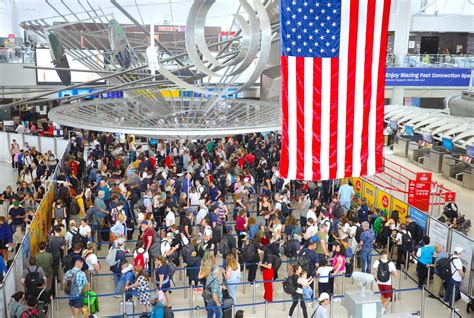
The Federal Aviation Administration oversees more than 44,000 flights carrying over three million passengers every day across the United States. During holiday periods, those already demanding numbers climb even higher, increasing congestion both on the ground and in the air.
Historical travel data also suggests that delays become noticeably more common during peak holiday travel windows. Previous analyses have found average delay rates rising to roughly 25.6% around the July Fourth period, compared with a more typical average closer to 20.8% during standard operating conditions. Those figures demonstrate how quickly heavy passenger demand can reduce an airline’s ability to absorb unexpected disruptions.
American Airlines Operates One of the World’s Largest Networks
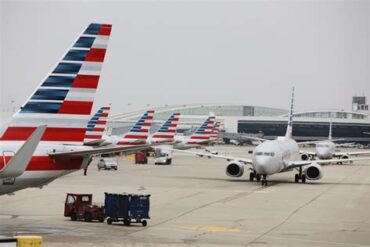
The criticism directed at American Airlines also reflects the enormous complexity involved in managing one of the largest airline operations anywhere in the world. Together with its regional partners, the airline operates approximately 6,700 flights every day, connecting nearly 350 destinations across more than 50 countries.
Its network revolves around several major hubs, including Dallas/Fort Worth, Charlotte, Miami, Chicago O’Hare, and Phoenix, where thousands of passengers transfer between flights each day. These hub operations maximize network efficiency but also mean that delays at one airport can quickly influence schedules elsewhere.
During the summer travel season alone, American expects to transport approximately 75 million passengers across roughly 750,000 flights while utilizing a fleet of more than 1,000 mainline aircraft. Managing such an extensive operation requires constant coordination between dispatchers, maintenance crews, airport staff, pilots, flight attendants, and federal air traffic controllers.
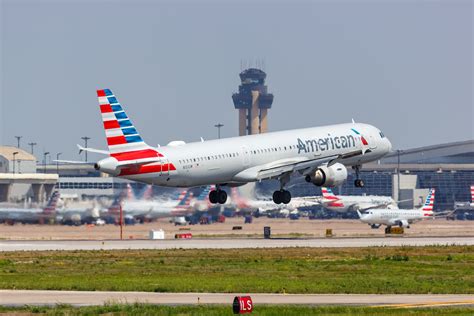
Reliability Remains a Major Challenge Across the Airline Industry
Operational performance statistics illustrate that maintaining consistent reliability remains difficult even for the world’s largest airlines. Historical data indicates that American Airlines achieved an average on-time performance rate of approximately 77.1% between 2019 and 2025, with June and July consistently ranking among the most challenging months for punctuality.
These seasonal declines generally mirror broader industry trends rather than representing problems unique to one carrier. Summer thunderstorms, increased passenger traffic, airport congestion, aircraft utilization, and staffing limitations all contribute to higher disruption rates across the aviation sector.
Nevertheless, highly publicized incidents such as the delay involving Congressman Max Miller reinforce growing public expectations that airlines should improve operational resilience despite increasing travel demand. For passengers, missed connections, canceled meetings, and disrupted personal plans often outweigh the technical explanations behind network-wide delays.
As airlines continue expanding capacity to accommodate record-breaking passenger numbers, balancing operational efficiency with schedule reliability remains one of commercial aviation’s greatest challenges. The incident involving American Airlines serves as another reminder that even the industry’s largest carriers remain vulnerable to cascading operational disruptions, particularly during peak travel seasons when every aircraft, crew member, and airport slot plays a critical role in keeping the nation’s aviation system moving smoothly.