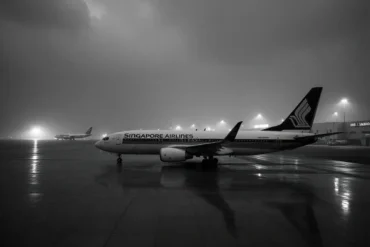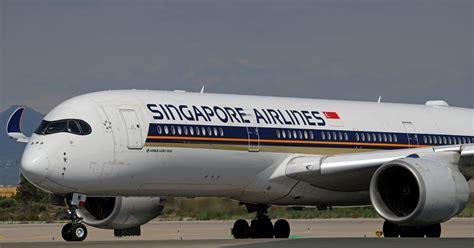
Singapore Airlines (SIA) has found itself at a critical inflection point as net profits nosedive by 58.8% in Q1 2025, amounting to just S$186 million, a stark decline from the strong figures that once defined the carrier’s post-pandemic recovery narrative. While total revenue inched upward by 1.5% to S$4.79 billion, the airline’s bottom line reveals a deeper and more structural issue brewing beneath its polished service and global reputation.
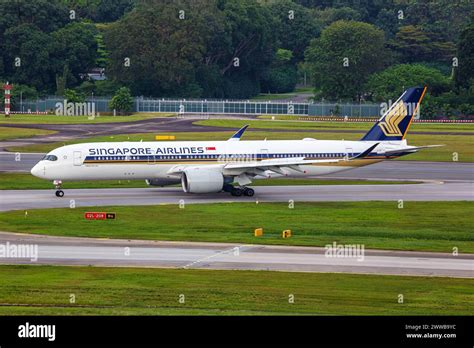
The Air India Gamble: Strategic Play or Costly Burden?
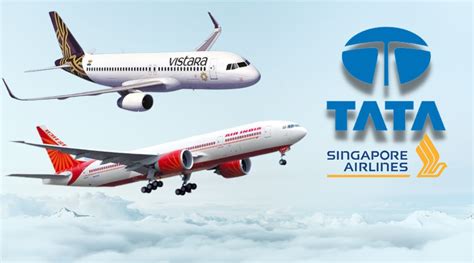
At the heart of SIA’s profit erosion is its 25.1% stake in Air India, acquired through its merger with Vistara in 2024. What was once heralded as a strategic foothold in India’s US$25 billion aviation economy has rapidly become a source of volatility. The catastrophic Boeing 787-8 crash on June 29, 2025, which killed 270 people and triggered 80 flight cancellations in July, severely impacted Air India’s operational capacity and trust with the flying public.
SIA, by extension, bore the brunt of that tragedy—not only in direct financial write-downs, but also through reputational association. In Q1 2025 alone, SIA booked a S$122 million loss from Air India, raising pointed questions about the sustainability of its exposure to India’s fragile aviation ecosystem.
India’s Directorate General of Civil Aviation (DGCA) has since initiated a top-down overhaul of safety protocols, but this introduces further uncertainties for investors. Operational improvements, a new fleet roadmap, and a credibility rebuild may take years—time SIA can ill afford amid intensifying global competition.
Beyond India: Global Turbulence and Macroeconomic Pressures
While Air India casts the longest shadow, SIA’s challenges are far from isolated to the Indian subcontinent. Across the global aviation sector, airlines are battling declining yields, soft cargo revenue, and macroeconomic volatility. SIA’s traffic yields fell by 2.9%, and cargo revenue dropped by 1.9%, illustrating the fragile balance between demand recovery and pricing power.
Compounding these issues is a 15% year-on-year fall in interest income, driven by tightening global monetary policy and softer returns from cash reserves. Though demand for summer travel offered a fleeting cushion, it was not enough to neutralize the broader headwinds affecting the industry.
Regional Expansion: Strategic or Stretch?
To offset these pressures, SIA is strategically expanding into regional routes—particularly to Malaysia and the Philippines—taking advantage of Qantas’ retreat from Jetstar Asia. The airline is also enhancing codeshare agreements with Air India, doubling down on a market where IndiGo and Air India dominate nearly 90% of domestic routes.
This approach, while ambitious, raises significant competitive and regulatory concerns. Entering a duopolistic market creates pricing pressures and diminishes leverage. If SIA fails to gain market share or secure favorable regulatory treatment, its expansion strategy could risk becoming a costly overextension rather than a well-calculated move.
Financial Fortitude: Liquidity as a Lifeline
Despite the bleak earnings picture, SIA maintains a robust liquidity position. The airline holds S$7.8 billion in cash and S$3.3 billion in untapped credit facilities, providing a critical financial buffer in turbulent times. Its S$17.5 billion cash cushion also gives it breathing room to support its holdings in Air India or weather broader industry shocks.
However, analysts warn that such liquidity, while essential, does not solve the underlying problems. Citibank and DBS continue to flag SIA’s 25.1% exposure to Air India as a structural drag on earnings unless significant operational changes are realized in the Indian carrier. The goal for Air India to reach EBITDAR-positive status in five years now appears increasingly optimistic.
Reinventing the Brand: Innovation Amid Crisis
In the face of adversity, SIA is doubling down on innovation and brand value. One key pillar is its sustainability initiative through a partnership with Neste, providing sustainable aviation fuel (SAF) to support greener operations. This aligns with SIA’s image as a premium, forward-thinking brand.
Moreover, SIA has introduced its ‘Boutique in the Sky’ concept—a newly retrofitted A350 cabin that elevates premium customer experiences. These innovations serve to differentiate SIA in a saturated market, aiming to justify its premium pricing and retain loyal clientele.
The airline is also attempting to address governance concerns, appointing independent directors like Goh Swee Chen to the board. This signals a recognition of the need for oversight and diversification of thought at the highest levels, especially as it navigates the uncertainties of the Air India venture.
Investor Sentiment: A Cautious Balancing Act
Investor confidence has inevitably been shaken. While SIA’s brand and service remain globally respected, the financial risks tied to India are too material to ignore. The current stock price range between S$19.50 and S$21.50 reflects that cautious sentiment. For many, the verdict is still out: can SIA turn Air India into a profitable strategic asset, or will it remain a financial sinkhole?
Most analysts advise a wait-and-see approach. The potential upside—if Air India can recover, if regulatory landscapes improve, and if SIA can outmaneuver regional competition—is significant. But the downside remains equally potent, particularly if delays in reforms persist and if India’s economic trajectory faces further interruptions.
Looking Ahead: Will SIA Soar Again?
The sharp Q1 2025 profit drop offers more than a cautionary tale—it exposes the vulnerability even a titan like Singapore Airlines faces in today’s interconnected, volatile aviation market. Strategic risks tied to Air India, compounded by global yield pressures, regulatory shifts, and intensifying competition, have punctured the airline’s trajectory.
Yet, SIA is no stranger to reinvention. It survived the Asian Financial Crisis, SARS, and COVID-19, often emerging leaner and more focused. Its investments in sustainability, premium branding, and regional capacity expansion may yet pay dividends—but only if Air India recovers, and if India’s aviation infrastructure stabilizes to match its vast market potential.
For now, the fate of Singapore Airlines hinges on whether it can successfully balance short-term resilience with long-term strategic execution. One thing is certain: the airline industry’s skies remain stormy, and even the most prestigious carriers must navigate them with precision, discipline, and vision.