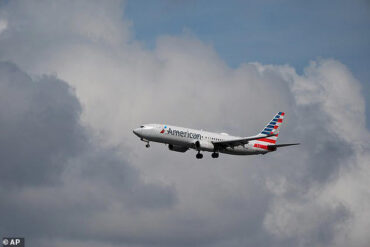
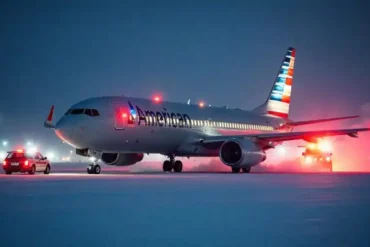
A routine domestic flight from New York’s LaGuardia Airport (LGA) to Indianapolis International Airport (IND) with American Airlines devolved into a cascading nightmare for passengers this week, as multiple operational failures, a disturbing sanitation incident, and communication lapses led to hours of delays and growing public frustration. What began as a typical travel day quickly turned into a distressing ordeal, highlighting significant lapses in the airline’s crisis management and operational resilience.
Gate Confusion and Mounting Delays
Passengers arrived at LaGuardia expecting some degree of delay—common for major U.S. domestic routes—but what they encountered far exceeded standard inconvenience. Initial delays began with repeated gate changes, forcing travelers to shuttle across terminals with minimal guidance. American Airlines’ failure to deliver timely and consistent gate announcements led to mass confusion among waiting passengers.
The disruptions continued when boarding finally commenced. After taking their seats, passengers remained grounded on the tarmac for over ninety minutes with no clear explanation. Tension grew as the minutes ticked by without movement, air conditioning, or meaningful communication from the flight crew. The cabin atmosphere shifted from one of resignation to visible frustration, as travelers began to suspect more serious issues behind the scenes.
Mechanical Malfunction Forces Mid-Boarding Deplaning
The situation escalated dramatically after a brief taxi attempt. Approximately thirty minutes into the taxi, the aircraft halted. A mechanical issue had been identified, and the captain instructed all passengers to deplane and return to the terminal. The mood darkened as weary travelers filed back into the airport, unsure of when—if ever—the flight would resume.
Maintenance crews were dispatched to assess the fault, but updates remained vague. For many passengers, this marked the beginning of what felt like an endless loop of waiting, moving, and being kept in the dark.
Terminal Sanitation Crisis Adds Humiliation to Delay
Shortly after passengers exited the aircraft, an entirely separate but equally disruptive incident unfolded. As travelers returned to the boarding area, a disturbing odor permeated the air, prompting some to investigate. It was quickly revealed that a fellow passenger had experienced a hygienic emergency—leaving a visible trail of human feces on the terminal floor between seating areas and a nearby restroom.
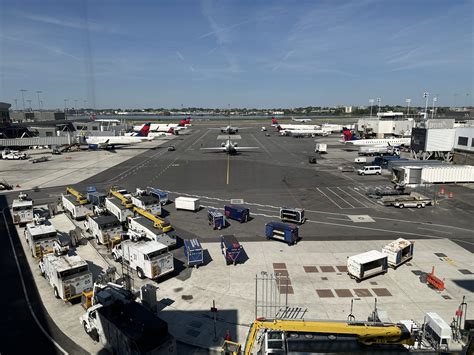
Unaware of the situation, numerous passengers and staff walked through the soiled area, unknowingly rolling luggage and walking with open footwear through contaminated flooring. The situation worsened when airport cleaning crews delayed their response, creating a biohazard-like environment in the already overburdened terminal.
No public announcements were made acknowledging the sanitation issue, and American Airlines provided no formal explanation or apology, further fueling public outrage. The passenger involved did not reboard the flight, but the lack of official communication on the health risk left many questioning the airline’s transparency and accountability.
Hours of Silence, Minimal Support
The delays dragged on as cleaning crews and maintenance staff worked simultaneously to manage the dual crises. Passengers were offered little assistance. Vouchers were not provided. Water bottles and snacks were scarce. Families with small children, elderly passengers, and those with disabilities were left without dedicated support, sparking criticism on social media platforms where real-time updates and photos of the sanitation incident began to circulate.
Throughout this ordeal, communication was sporadic and vague. Updates were issued inconsistently via airport screens and gate agents, with some passengers reporting missed reboarding calls due to the chaotic terminal environment. The entire sequence of delays, from the first gate change to the final reboarding, stretched across nearly seven hours.
A Fractured Reboarding Process and Exhausted Arrival
Eventually, after exhaustive maintenance checks and cleaning protocols, the flight was cleared for departure. Yet the reboarding process was as chaotic as what had preceded it. With no official boarding groups announced and lines forming erratically, gate agents struggled to manage reentry in an orderly fashion.
Passengers finally took their seats once again—many visibly upset, dehydrated, and emotionally drained. The flight departed LaGuardia several hours past its original schedule and arrived in Indianapolis late that night. While no injuries were reported, the physical and psychological toll of the experience lingered among passengers, many of whom described it as the worst flying experience of their lives.
Airline Silence Fuels Passenger Fury
In the aftermath, American Airlines has not issued a formal statement addressing the specific details of the delay or sanitation crisis. The lack of public acknowledgment has further incensed passengers, who feel their experiences have been minimized or ignored. Customer service lines have reportedly been inundated with refund requests, complaints, and demands for accountability.
Despite the ordeal, the airline continues to operate multiple daily flights between LaGuardia and Indianapolis. However, confidence in American Airlines’ reliability and operational integrity has been severely shaken by this high-profile failure.
Broader Implications for Airline Standards
While isolated, this incident underscores serious concerns regarding industry-wide standards in crisis management, hygiene protocols, and passenger communication. U.S. airlines, under pressure to meet high travel demands post-pandemic, have been increasingly scrutinized for cost-cutting measures that may compromise service quality and operational safety.
This event raises specific red flags:
- Inadequate crisis communication, especially during emergencies involving sanitation hazards.
- Failure to provide basic accommodations, including food, water, or rest areas during multi-hour delays.
- Delayed or absent response to biohazard events, exposing passengers to potential health risks.
- Lack of transparency and public accountability, eroding trust in major airline brands.
Regulatory Oversight and Public Pressure Mount
Passenger rights advocates and aviation industry analysts have called for immediate investigation into the events at LaGuardia, urging the Department of Transportation (DOT) to review American Airlines’ protocols. Hygiene standards at U.S. airports also face renewed scrutiny in the wake of this incident, particularly regarding how quickly and effectively airport staff are trained to manage unexpected contamination.
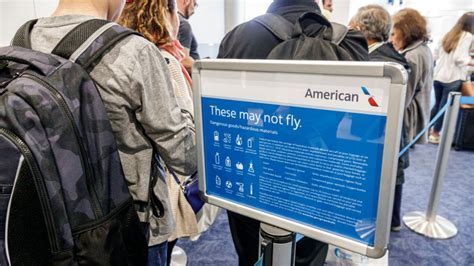
Social media platforms have become the primary channels for affected travelers to document their experience, with viral posts tagging both American Airlines and LaGuardia Airport. While some passengers have already received vague compensation offers via direct message, others report no follow-up at all.
Conclusion: A Wake-Up Call for U.S. Air Travel
This event illustrates how a convergence of relatively small operational failures can snowball into a full-scale travel catastrophe when compounded by poor communication, insufficient support infrastructure, and a sanitation emergency. Though the flight eventually reached its destination, the experience has left an indelible mark on those aboard.
For American Airlines, the fallout is far from over. Passengers demand answers. Regulators are watching. And for many travelers, trust has been eroded—not just in a single airline, but in the broader system meant to support them.
As domestic air travel continues to rebound in volume, airlines must rise to meet heightened expectations—not just in speed and price, but in how they handle the unexpected. The events of this flight should not serve merely as a cautionary tale but as an urgent call for reform, accountability, and above all, respect for the paying passenger.