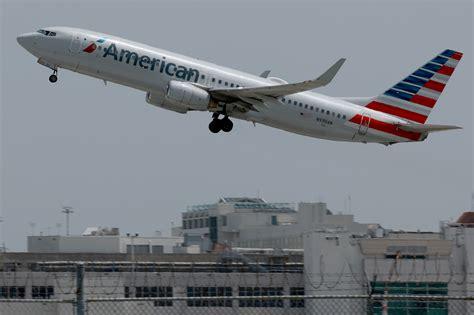
An ordinary flight aboard American Airlines Flight AA2717 transformed into a national talking point after a first-class passenger was unexpectedly downgraded to economy to make room for former U.S. President Joe Biden. The incident, which unfolded on June 28, 2025, during a short-haul flight from Minneapolis–St. Paul (MSP) to Philadelphia (PHL), quickly ignited controversy, shedding light on the intersection of airline policies, VIP travel, and passenger rights.
A First-Class Dream Interrupted
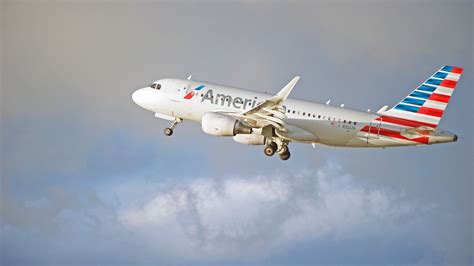
The passenger, traveling with her husband, had booked first-class seats aboard the American Airlines Airbus A319, expecting a premium experience complete with comfort, priority service, and tranquility. Instead, just before boarding, the couple was informed at the gate that their coveted seats had been reassigned. No initial explanation was provided, sparking frustration and confusion.
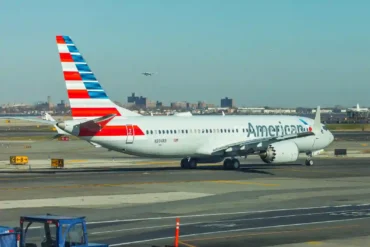
The aircraft in question, the Airbus A319, features a compact layout with only eight first-class seats, making every seat in the front cabin a prized commodity. Travelers often pay premium fares or redeem substantial loyalty miles for such seating, particularly on busy domestic routes like MSP to PHL, which spans approximately two and a half hours.
Mystery Turns to Viral Sensation
Shortly after being downgraded, the affected passenger took to social media to share her experience, igniting an immediate reaction. The post triggered a flurry of speculation across aviation forums, travel groups, and mainstream media.
Frequent flyers questioned how such a displacement could occur, with many expressing concern that even loyal, paying first-class customers might be vulnerable to last-minute downgrades without explanation. The outrage was palpable, fueled in part by the lack of transparency from American Airlines during the initial stages of the incident.
The High-Profile Passenger Revealed
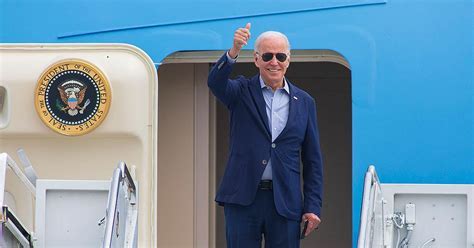
As speculation swirled, the truth emerged later that same day. The passenger who replaced the couple in first class was revealed to be former U.S. President Joe Biden. The revelation instantly altered the tone of the conversation, adding layers of political, security, and logistical complexity to the situation.
Biden’s presence aboard the commercial flight underscored the evolving nature of presidential and ex-presidential travel. Even former commanders-in-chief, no longer holding office, maintain substantial security requirements coordinated by federal agencies. However, their travel arrangements can sometimes intersect—uncomfortably—with the expectations of everyday airline passengers.
Airline Policies, VIPs, and the Fine Print
Airlines like American operate under broad contracts of carriage, granting them discretion to modify seating arrangements for operational reasons, including accommodating government officials or security protocols. While such policies are not new, this particular incident brought them into sharp public focus.
Travelers invest heavily in premium experiences, and airlines fiercely compete for high-value customers in a crowded market. First-class cabins, though small, represent substantial revenue streams and are central to frequent flyer loyalty programs. The decision to downgrade paying passengers—even in favor of a former president—risked alienating a core demographic airlines strive to retain.
Industry experts point out that high-profile passenger travel arrangements are typically handled with discretion to minimize disruption. Yet, the sudden nature of this downgrade, coupled with poor communication, fueled perceptions of unfair treatment and favoritism.
Politics, Personal Reactions, and Social Media Firestorm
Adding another layer to the unfolding drama, the downgraded passenger, reportedly holding conservative political views, initially expressed anger at the displacement. However, her tone softened after an unexpected in-person encounter with Biden during the flight.
The brief interaction humanized the experience, offering a reminder of the nuanced reality behind viral moments. Despite political divides, personal exchanges sometimes defuse tension, even amid public controversies. Nonetheless, the social media fallout remained extensive, with debates raging over airline accountability, passenger rights, and the proper handling of VIP travel.
The Economics and Stakes of First-Class Travel
The American Airlines Flight AA2717 incident also highlighted the fragile economics underpinning premium air travel. First-class seats, particularly on short-haul routes like MSP to PHL, are often occupied by business travelers or affluent leisure passengers willing to pay for exclusivity and comfort.
Downgrades, even temporary, can jeopardize customer trust, trigger costly compensation demands, and damage brand reputation—especially in an era where individual grievances swiftly become global headlines. The balance airlines must strike between operational flexibility, security mandates, and customer satisfaction has never been more precarious.
The presence of a former president, while exceptional, does not erase passenger expectations for fairness and transparency. Airlines face increasing scrutiny over how they prioritize VIPs while maintaining commitments to their broader customer base.
Passenger Rights, Contracts, and Growing Demands for Transparency
The viral controversy reignited debates over passenger rights, contracts of carriage, and airline obligations. While policies clearly allow seat changes for operational reasons, passengers are demanding clearer communication and equitable treatment.
Moreover, as high-profile figures increasingly opt for commercial flights rather than exclusive charters, airlines find themselves at the center of delicate logistical and public relations challenges.
Aviation analysts argue that proactive communication—informing affected passengers early and offering appropriate compensation—can mitigate backlash. The opaque handling of the AA2717 downgrade, however, amplified dissatisfaction and eroded trust.
Beyond One Flight: A Reflection of Modern Aviation Tensions
The repercussions of the AA2717 saga extend far beyond one disrupted journey. The episode encapsulates a broader struggle within the aviation industry: balancing the needs of VIP travelers, upholding security protocols, and preserving customer loyalty—all under the microscope of an unforgiving, viral-driven news cycle.
Passengers worldwide now wonder: could their first-class seats vanish minutes before boarding? Could VIPs, political figures, or celebrities disrupt hard-earned premium experiences?
Airlines are confronting a critical inflection point, where customer expectations for transparency collide with the realities of operational discretion. The AA2717 incident is a potent reminder that every seat in the sky carries more than just a passenger—it embodies loyalty, revenue, expectations, and, sometimes, political symbolism.
Lessons for Airlines and Travelers Alike
In the aftermath, American Airlines faces calls to reevaluate its crisis management protocols, enhance real-time communication, and provide clear guidelines when seat reassignments occur—particularly those involving VIPs.
Travelers, meanwhile, are encouraged to familiarize themselves with airline contracts of carriage, understanding the fine print that governs seat assignments, operational changes, and passenger rights. Though rare, high-profile incidents like the AA2717 downgrade spotlight vulnerabilities within the travel ecosystem.
Ultimately, the skies remain a competitive, high-stakes environment, where airlines juggle complex demands from security officials, influential travelers, and loyal customers. As the AA2717 story demonstrates, even a seemingly simple seat reassignment can ignite national debates, alter public perception, and reshape how airlines navigate the intersection of politics, service, and modern travel.
The echoes of Flight AA2717 continue to reverberate, reminding the aviation world that trust, transparency, and careful handling of VIP situations are no longer optional—they are essential to maintaining customer confidence in an era where every seat swap can become a headline.