Morocco is embarking on a transformative journey, investing 38 billion dirhams (approximately $4.2 billion) into its airport infrastructure. This monumental initiative is set against the backdrop of the 2026 FIFA World Cup, which Morocco will co-host alongside Portugal and Spain. With the goal of accommodating an anticipated surge in visitors, the country is aiming to boost airport capacity from the current 38 million passengers to an ambitious 80 million by 2030. This expansion is not merely a response to the World Cup; it represents a broader strategy to position Morocco as a premier destination for international tourism.
The investment is a collaborative effort between the Government of Morocco and the National Airports Authority (ONDA). A substantial portion—25 billion dirhams—is allocated for enhancing airport infrastructure, while 13 billion dirhams will be dedicated to maintenance and land acquisition. Among the most significant projects is the construction of a new terminal at Mohammed V Airport in Casablanca, Morocco’s busiest airport. This terminal alone will add 20 million passengers to the airport’s capacity, thereby bolstering Morocco’s readiness to welcome the influx of international tourists expected during the World Cup.
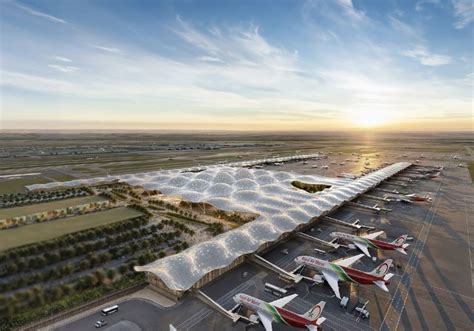
As Morocco gears up for this monumental event, the potential impact on tourism cannot be overstated. The 2026 World Cup is anticipated to draw millions of fans, media personnel, and tourists, making the expansion of airport facilities a crucial component of Morocco’s strategy. Recent trends indicate a 20% increase in tourism in 2024, a figure that is poised to rise significantly as the World Cup approaches. Notably, Morocco offers competitive pricing for accommodations compared to other Mediterranean countries such as Spain, France, and Italy, making it an attractive option for budget-conscious travelers.
Strategic investments are being made to meet the burgeoning demand for air travel. In May 2025, Morocco issued two invitations to express interest for bidders to construct the new terminal at Mohammed V Airport, a vital step in accommodating the expected 20 million additional passengers. This expansion is designed not only to serve the World Cup crowds but also to align with Morocco’s long-term vision of increasing tourism.
Expanding regional connectivity is another critical aspect of this development. Morocco is working diligently to enhance flight connections to major airports, including those in Casablanca, Marrakesh, and Agadir. This effort aims to simplify the arrival process for tourists and bolster Morocco’s appeal as a tourist destination. Increased direct flights to North Africa, particularly from the UK, have already been observed, with over 19,000 flights estimated this year alone. Airlines such as TUI Airways have responded to the rising demand by adding new routes, including flights from Newcastle to Agadir and Stansted to Enfidha, Tunisia.
Economic development is intricately linked to Morocco’s tourism strategy. The country’s investment in airport infrastructure is part of a broader plan to capitalize on its growing tourism sector. The combination of upscale travel options and budget-friendly accommodations has attracted a new wave of international visitors. The travel and tourism industry is evolving to meet this increased demand, with hotels, attractions, and restaurants enhancing their offerings to cater not just to the World Cup crowd but also to long-term tourists.
The rise of North African destinations like Morocco, Egypt, and Tunisia provides a compelling alternative to traditional European hotspots. Recent data from Booking.com indicates a 68% increase in searches for Tunisia for the summer of 2025, highlighting the shifting preferences of travelers toward more affordable yet luxurious destinations.
Looking ahead, Morocco can anticipate a robust increase in international arrivals and tourism revenue by 2030. With ongoing renovations and an expanding network of flights to key cities like Marrakesh, Casablanca, and Agadir, Morocco is poised to solidify its status as a major player in the global tourism landscape. As the World Cup draws nearer, it is essential for Morocco to not only focus on immediate preparations but also to lay the groundwork for sustainable tourism practices that promise long-term prosperity.
In conclusion, Morocco’s ambitious expansion of its airport infrastructure reflects a long-standing commitment to responding to increasing visitor numbers and establishing itself as a world-class destination. The strategic investments in airports, coupled with enhanced airline connections and tourism services, will undoubtedly contribute to maintaining Morocco’s allure as an attractive destination both in North Africa and on the global stage.