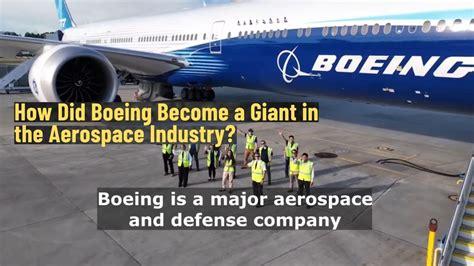
In a week marked by high-stakes diplomacy and international investment, Boeing has landed two major deals with Bahrain and Indonesia that promise to inject billions into the American aerospace sector. These agreements, strategically aligned with high-level political engagements, reinforce Boeing’s dominant position in the global aviation market while also highlighting the United States’ enduring leverage in international trade and defense partnerships.
The combined value of the investments from both nations exceeds $17 billion, comprising orders for over 60 aircraft and associated equipment, including next-generation engines. These deals not only expand Boeing’s commercial footprint but also carry significant implications for the U.S. labor market and geopolitical relations across Asia and the Middle East.
Bahrain’s $7 Billion Bet on Boeing Dreamliners and GE Engines
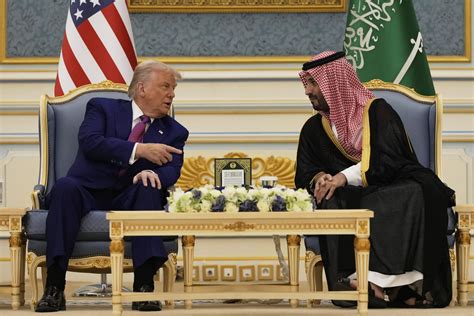
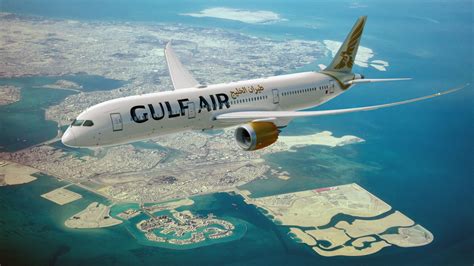
During an official state visit to Washington, Bahrain’s Crown Prince Salman bin Hamad Al Khalifa announced the kingdom’s plan to acquire 12 Boeing aircraft—primarily widebody models—under a broader $17 billion U.S. investment initiative. The purchase, reportedly centered on Boeing 787 Dreamliners, comes with an option for six additional aircraft.
More strikingly, the deal includes 40 General Electric (GE) engines, suggesting a notable shift in Gulf Air’s fleet configuration strategy. Gulf Air, Bahrain’s national carrier, currently operates Rolls-Royce Trent 1000 engines for its Dreamliners. However, persistent issues with the Trent program have apparently prompted the airline to pivot toward GE’s GEnx engines, known for superior fuel efficiency and lower maintenance cycles.
This strategic fleet modernization aligns with Gulf Air’s announcement of a new nonstop route to New York, slated for launch on October 1 using Boeing 787s. With this move, the airline aims to reposition itself as a transcontinental competitor among Gulf carriers, leveraging newer, more reliable aircraft.
According to the White House, this deal alone could support up to 30,000 American jobs, underlining how aircraft sales continue to serve as key instruments of U.S. industrial diplomacy.
Indonesia’s Strategic Boeing Order Amid Trade Tensions
Simultaneously, Indonesia has committed to purchasing 50 Boeing aircraft, a deal intricately tied to its broader economic engagement with the United States. This agreement, finalized during President Prabowo Subianto’s recent visit to Washington, was designed to alleviate tariff threats that had endangered Indonesian export sectors.
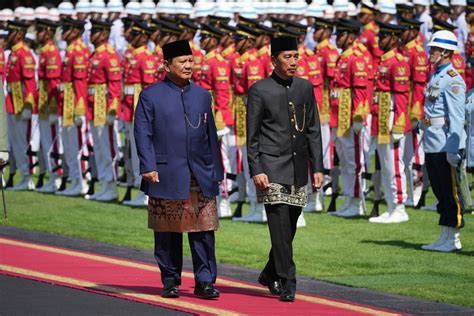
Although the full composition of the order remains under wraps, former President Donald Trump confirmed that the commitment includes multiple Boeing 777 widebody jets, with Garuda Indonesia anticipated as the primary recipient. The deal marks a potential revival of the troubled relationship between Garuda and Boeing, previously strained by the aftermath of the 2018 Lion Air 737 MAX crash.
In the wake of the disaster, Garuda halted 737 MAX deliveries and reevaluated its fleet strategy. This new agreement likely includes a blend of 737 MAX, 787 Dreamliner, and 777 variants, offering flexibility for domestic and international operations. However, questions about financing loom large.
Garuda recently emerged from a $10 billion debt restructuring, and while the Indonesian government is expected to support the transaction through its sovereign wealth fund Danantara, there are lingering doubts over how many aircraft the carrier can actually absorb. Any finalized structure is expected to feature extended payment timelines or lease-purchase models, ensuring that Boeing secures a strategic foothold in Southeast Asia despite the airline’s financial constraints.
High-Level Diplomacy Paves Runway for Boeing’s Success
These deals are the latest examples of how Boeing’s international sales are tightly interwoven with American foreign policy. Over the past year, the planemaker’s most significant wins—including landmark agreements with Qatar Airways, Saudi Arabia, and now Bahrain and Indonesia—have often coincided with U.S. diplomatic missions led by former President Trump or high-ranking administration officials.
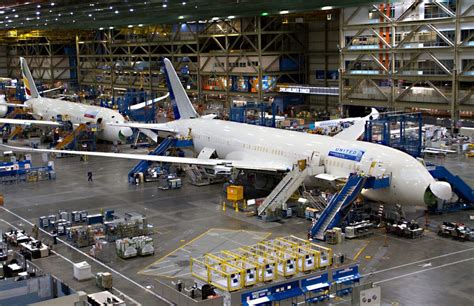
Boeing has already secured 668 gross aircraft orders in 2025 alone, with a notable share belonging to the 737 MAX family, still the company’s best-seller despite its troubled history. In May, Boeing announced its largest-ever widebody deal with Qatar Airways—160 aircraft, comprising 777X and 787 models, with an option for 50 more.
The consistency of these deals, particularly in emerging markets and oil-rich nations, reflects Washington’s strategic use of aerospace exports as a soft-power tool. By enabling countries like Bahrain and Indonesia to access premium American-made jets, the U.S. bolsters its alliances while nurturing key industries at home.
Job Creation and the U.S. Manufacturing Ecosystem
Beneath the headlines, the ripple effect of these deals can be seen across America’s industrial heartland. The Bahrain agreement alone is forecasted to support up to 30,000 jobs, stretching from engine manufacturing in Ohio to airframe assembly in Washington and South Carolina.
In the case of Indonesia, the demand for 50 aircraft will likely involve multiple suppliers and subcontractors, including avionics firms, composites manufacturers, and cabin interior specialists. Such deals help stabilize employment and production schedules across Boeing’s complex supply chain, which includes over 12,000 U.S.-based suppliers.
Furthermore, the GE engine deal with Bahrain represents a dual benefit. Not only does it shift powerplant loyalty away from British Rolls-Royce engines, but it also increases domestic engine output from GE Aviation’s plants in Cincinnati and Lynn, fortifying a U.S. manufacturer that also plays a critical role in military jet engine production.
Geopolitical Implications and Regional Competition
While these deals highlight economic collaboration, they also underscore the competitive tensions shaping aviation markets. For example, Indonesia’s willingness to re-engage with Boeing comes at a time when Airbus has been aggressively pursuing carriers in Southeast Asia with its A350 and A330neo models. Similarly, in the Gulf region, Emirates and Qatar Airways have split their fleet strategies between both manufacturers.
Boeing’s ability to lock in high-volume orders from Indonesia and Bahrain signals not just a commercial triumph, but a geopolitical maneuver to reinforce U.S. interests amid China’s growing influence in Southeast Asia and Airbus’ dominance in Europe.
It also sends a message that Boeing is rebuilding trust—especially in light of the 737 MAX crisis—through consistent product delivery, upgraded support structures, and strategic partnership flexibility.
The Road Ahead: Deliveries, Risks, and Opportunities
For Boeing, the path from order to delivery is fraught with both opportunity and challenge. While these new deals boost its commercial backlog and reassure investors, execution will be critical. Production delays, supplier shortages, and labor union negotiations remain potential disruptors.
Moreover, the financing uncertainty surrounding Garuda could result in adjusted delivery schedules or modified commitments. Nevertheless, even partial execution of this agreement would mark a monumental leap for Boeing in a region where Airbus has, for years, held the upper hand.
Boeing’s leadership under CEO Kelly Ortberg appears keen on leveraging these agreements to reinvigorate not just sales, but the company’s image. With momentum from Qatar, Bahrain, and Indonesia, Boeing’s order book is swelling at a pace not seen since before the pandemic.
These developments offer a rare window of optimism for a manufacturer still grappling with regulatory scrutiny and reputational repair. By converting diplomacy into deal flow and orders into jobs, Boeing is once again proving that in aviation, strategy and statecraft often share the cockpit.