The story of Boeing heading into 2026 is not one of dramatic reinvention, but of measured recovery, operational discipline, and cautious credibility rebuilding. After a decade defined by crises that shook confidence across regulators, airlines, suppliers, and passengers, Boeing enters 2026 carrying expectations that are lower, clearer, and more demanding than at any point in its modern history. This shift alone marks a profound change. Instead of chasing growth headlines, Boeing is now judged on whether it can execute reliably, quietly, and without surprise.
The aviation industry has long memories. For Boeing, the consequences of past failures did not disappear with leadership changes or production restarts. They reshaped how the company is scrutinized and how success is defined. In 2026, Boeing’s progress will be measured less by ambition and more by consistency, less by promises and more by predictable delivery. That recalibration may ultimately be its strongest asset.
The year ahead stands at the intersection of recovery and restraint. Commercial aircraft programs are stabilizing but still constrained. Defense and military aviation offer steadier ground but not explosive growth. Space ambitions remain uncertain, while sustainability expectations quietly rise. What emerges in 2026 is not a triumphant Boeing, but a more grounded one—an aerospace manufacturer learning how to operate under limits it once resisted.
From Crisis Management to Operational Discipline
The roots of Boeing’s 2026 outlook lie deep in the structural reckoning triggered by the 737 MAX crisis and compounded by the pandemic. Those years did more than disrupt production; they exposed vulnerabilities in manufacturing oversight, internal accountability, and regulatory relationships. Unlike previous downturns driven by market cycles, this period forced Boeing to confront how its systems functioned under pressure.
By the mid-2020s, the company had shifted away from the culture of aggressive output targets that once defined its commercial strategy. Safety metrics, quality audits, and regulatory coordination became gating factors rather than obstacles to be managed around. In 2026, this philosophy is expected to remain firmly in place, even if it limits near-term growth.
Financially, the legacy of those years still weighs heavily. Boeing’s debt load remains significant, and margins across multiple programs are thin. Yet the company’s leadership understands that credibility is now a prerequisite for profitability, not the other way around. Regulators, particularly in the United States, are unlikely to loosen oversight quickly. Airlines, too, are more cautious, building schedules and fleet plans around reliability rather than optimistic delivery forecasts.
If 2026 passes without major quality lapses or unexpected production halts, it will represent more than a quiet year—it will signal that Boeing can operate effectively within externally imposed constraints. In an industry where trust compounds slowly but collapses quickly, that alone would be meaningful progress.
The 737 MAX in 2026: Stability Over Speed
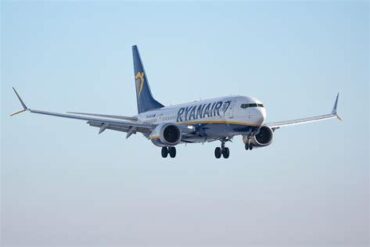
No aircraft will shape Boeing’s 2026 performance more than the 737 MAX. Demand for single-aisle jets remains strong worldwide, driven by route expansion, fleet renewal, and the retirement of older, less fuel-efficient aircraft. For Boeing, however, selling the MAX is no longer the challenge. Building it consistently, at scale, and under intense regulatory supervision is.
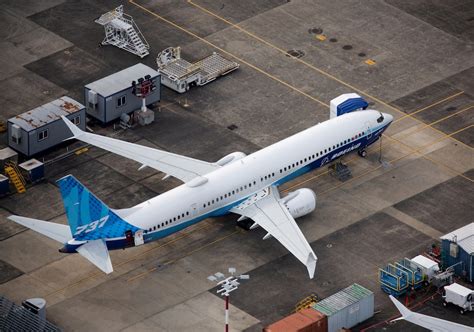
Production rates are gradually increasing, with targets in the high 40s to low 50s per month by the end of 2026, subject to regulatory approval. Unlike earlier ramp-ups, this process is deliberately cautious. Supplier oversight has tightened, inspection regimes have expanded, and internal quality checkpoints now play a far larger role in determining output than market demand alone.
This slower pace frustrates some customers, but it reflects a strategic acceptance of reality. Boeing understands that another high-profile disruption would be far more damaging than missed delivery slots. In 2026, predictability matters more than volume.
Strategically, the MAX also underscores Boeing’s longer-term single-aisle dilemma. Airbus continues to dominate with the A320neo family, and its future narrowbody studies highlight a widening technological gap. Boeing’s reliance on the aging 737 airframe limits how far incremental improvements can go. A clean-sheet replacement remains unlikely in the near term, leaving the MAX as both a lifeline and a constraint.
For airlines, the 737 MAX in 2026 is less controversial than it once was, but it is no longer viewed as a growth catalyst. Instead, it represents Boeing’s ability—or inability—to deliver on fundamentals.
Widebody Aircraft: Reliability Over Ambition
Boeing’s widebody portfolio enters 2026 in a more balanced, if less ambitious, position. The 787 Dreamliner, once plagued by quality issues and extended delivery pauses, is expected to be one of Boeing’s most stable commercial products by this point. Airlines continue to value its fuel efficiency, long-range flexibility, and suitability for both premium and high-density configurations.
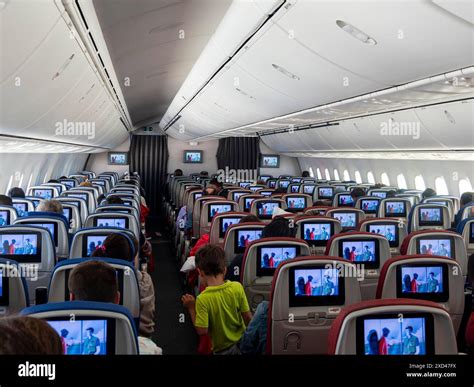
Rather than pushing for historic production highs, Boeing’s focus with the 787 has shifted toward unit cost control and manufacturing discipline. Reducing rework, streamlining inspections, and aligning output with actual demand take precedence over headline production rates. By 2026, the Dreamliner may not dominate order books, but it should contribute steady cash flow with fewer operational surprises.
The 777X, by contrast, remains a test of patience. Years of delays have eroded confidence, even as airlines acknowledge the aircraft’s technical promise. Entry into limited service may finally occur around this period, but widespread deployment is unlikely. The program’s significance in 2026 lies less in volume and more in perception. How Boeing communicates milestones, manages expectations, and supports early operators will heavily influence its credibility in the widebody market.
In a sector where trust is as valuable as performance, the 777X’s slow emergence serves as a reminder that technological excellence alone is no longer enough.
Defense Aviation: Boeing’s Quiet Stabilizer
While commercial aircraft dominate public attention, Boeing Defense, Space & Security is likely to be one of the company’s most important stabilizing forces in 2026. Defense programs operate on longer timelines, backed by government procurement cycles that prioritize continuity over rapid change. In an otherwise volatile business, this predictability matters.
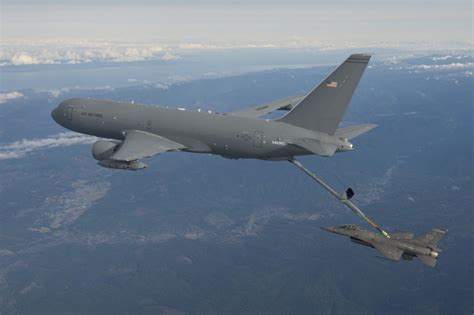
Platforms such as the F/A-18 Super Hornet, KC-46 Pegasus, and P-8 Poseidon continue to generate steady revenue. None are high-growth programs, but together they provide Boeing with something it has lacked: a reliable baseline of demand. The P-8, in particular, benefits from rising global maritime security concerns, reinforcing Boeing’s position in a niche with limited competition and long-term support contracts.
Execution challenges have not disappeared. Fixed-price development contracts, especially on the KC-46, have resulted in significant financial charges over recent years. However, by 2026 many of these programs will be firmly in production or sustainment phases, where risks are better understood and managed.
Boeing’s involvement in the Next Generation Air Dominance (NGAD) initiative also shapes long-term perceptions. While NGAD will not deliver near-term revenue, it signals Boeing’s continued relevance in high-end military aviation. In an era of rising geopolitical tension and expanding defense budgets, this positioning matters.
Defense may not generate headlines in 2026, but it provides Boeing with strategic ballast—steady, understated, and essential.
Space Programs and the Weight of Expectation
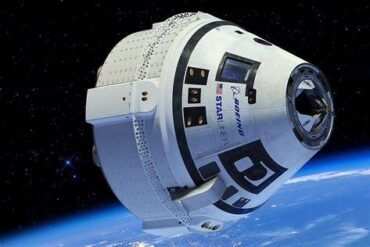
Boeing’s space ambitions add another layer of complexity to its 2026 outlook. The Starliner program, developed under NASA’s Commercial Crew initiative, has faced repeated delays and technical hurdles. By 2026, the program is expected to either settle into a routine operational rhythm or face deeper questions about its long-term viability alongside competitors.
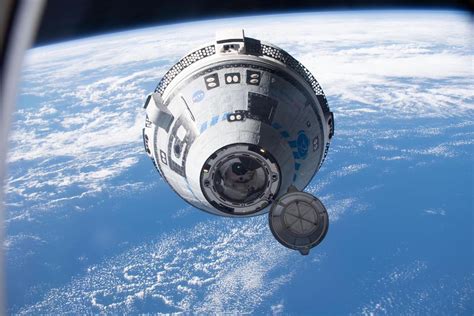
Space programs carry symbolic weight disproportionate to their revenue. They influence public perception, government relationships, and internal morale. For Boeing, Starliner’s trajectory in 2026 will shape narratives about whether the company can still execute complex, cutting-edge projects under scrutiny.
Beyond crewed spaceflight, Boeing’s role in satellites, launch systems, and exploration technologies continues, but without dramatic inflection points expected in the near term. The emphasis remains on execution discipline rather than visionary leaps.
Sustainability Without the Spotlight
Sustainability will increasingly shape competitive dynamics, even if it lacks the drama of new aircraft launches. In 2026, Boeing is unlikely to unveil a radical new design focused on emissions reduction. Instead, progress will come through incremental steps: broader sustainable aviation fuel compatibility, digital optimization tools, and manufacturing efficiency gains.
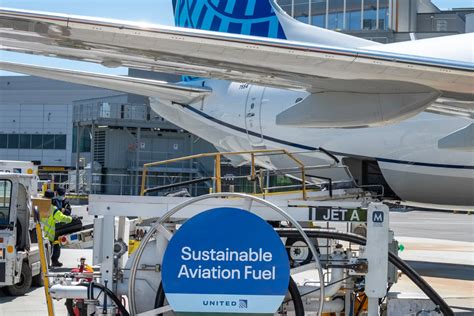
Airlines face growing pressure from regulators, investors, and passengers to reduce their environmental footprint. Manufacturers are expected to support these goals, even when breakthrough propulsion technologies remain years away. Boeing’s challenge is to demonstrate meaningful engagement without overselling near-term impact.
These efforts may not dominate headlines, but they influence fleet decisions, particularly among airlines operating in regions with aggressive climate targets. In a competitive landscape, credibility on sustainability increasingly complements credibility on safety and quality.
Competition With Airbus: Redefining Success
By 2026, Airbus is likely to maintain its lead in overall commercial aircraft deliveries, especially in the single-aisle segment. For Boeing, the objective is not to reclaim the top spot quickly, but to restore confidence as a dependable alternative.
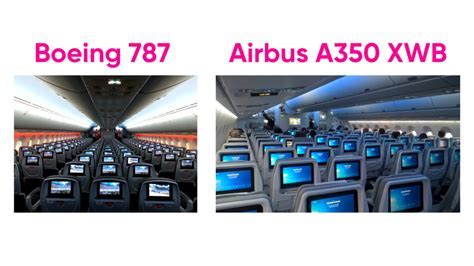
Airlines and lessors will judge Boeing less on market share and more on delivery reliability, transparency, and responsiveness. A year without major surprises would do more for Boeing’s reputation than any aggressive sales campaign. In that sense, 2026 is less about competition and more about proving internal stability.
Market perception is shaped by patterns, not promises. If Boeing consistently meets commitments, communicates setbacks honestly, and avoids systemic quality issues, it can gradually rebuild its standing. The process is slow, but the direction matters.
A Less Turbulent, Not Perfect, Year Ahead
Boeing’s 2026 will not be free of challenges. Production constraints, regulatory scrutiny, and competitive pressure remain. Yet the tone of the year is likely to feel different. Less chaotic. Less reactive. More deliberate.
This is not a return to dominance, but a transition toward durable stability. For airlines, it means planning with greater confidence. For regulators, it means sustained engagement rather than crisis response. For Boeing itself, it represents an opportunity to prove that lessons learned were not temporary.
If 2026 passes without defining setbacks, it may be remembered not as the year Boeing soared again, but as the year it finally found steady air.