Turbulence is one of the most dreaded aspects of air travel, striking without warning and transforming a routine flight into a stomach-churning ordeal. While most turbulence is harmless to modern airliners, the physical and psychological discomfort it causes passengers—and even cabin crew—can be significant. From the snow-capped peaks of the Andes to the razor-sharp Himalayan ridgelines and the swirling jet streams above North America, some air corridors are simply more prone to turbulence than others.
What Causes Turbulence In The Sky?
Before exploring the world’s most turbulent air routes, it’s crucial to understand what turbulence is and why it occurs. In simple terms, turbulence refers to irregular air movement caused by various meteorological and geographical factors. The primary types of turbulence include:
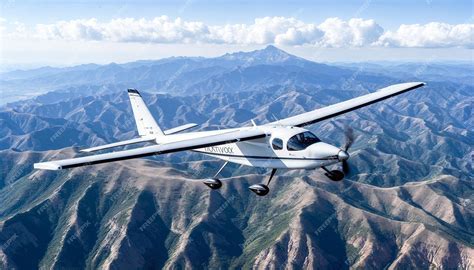
- Mountain Wave Turbulence: Air flowing over mountainous terrain gets disrupted, creating waves and eddies.
- Wind Shear: Sudden changes in wind speed or direction, particularly during storms, can destabilize aircraft.
- Jet Stream Turbulence: High-altitude, fast-flowing air currents—particularly near the tropopause—can lead to clear-air turbulence.
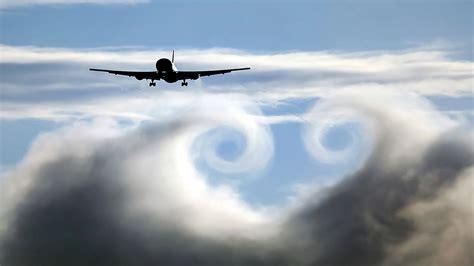
- Wake Turbulence: Caused by the vortices trailing from wingtips of large aircraft, particularly during takeoff or landing.
Turbulence is measured using the Eddy Dissipation Rate (EDR), a numerical system where 0 represents completely smooth air and 100 reflects extreme turbulence. An EDR over 20 already reflects moderate to severe turbulence conditions.
The World’s Most Turbulent Flight Route: Mendoza to Santiago
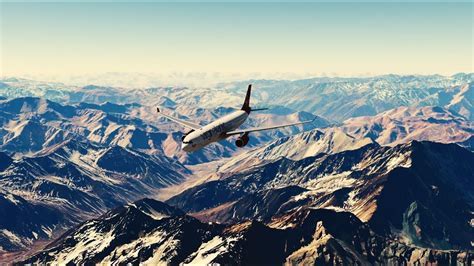
Topping the global turbulence charts is the 121-mile route between Mendoza, Argentina (MDZ) and Santiago, Chile (SCL). This short corridor traverses the Andes, where mountain wave activity is intense and persistent. According to Turbli, the average EDR for this route is 24.7, the highest on record.
Aircraft navigating this corridor must climb quickly over mountainous terrain while facing persistent updrafts and downdrafts. Operated by LATAM Chile, Sky Airline, and Aerolíneas Argentinas, this flight is notorious for sudden altitude drops, despite generally safe flying conditions.
South America: An Epicenter of Mountain-Induced Turbulence
Of the top ten most turbulent global routes, six traverse South America, particularly between Argentina and Chile. Common departure points include Mendoza (MDZ) and Cordoba (COR), both sitting east of the Andes. The frequent encounters with high-altitude mountain waves make this region one of the world’s most unstable airspaces for commercial aviation.
For instance, the route from Cordoba to Santiago records an average EDR of 20.2, while the leg from Mendoza to Salta clocks in at 19.8. In nearly all cases, short regional hops over jagged peaks translate into exceptionally bumpy rides.
Asia’s Sky-High Risk Zone: The Himalayas
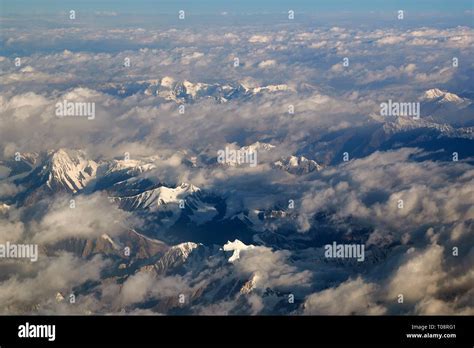
Another hotspot for turbulence is Asia’s Himalayan corridor, home to some of the highest aviation routes on Earth. Flights from Kathmandu (KTM) to Lhasa (LXA) traverse the very spine of the Himalayas, an area marked by severe mountain wave activity, jet stream crossings, and thin atmospheric pressure. The average EDR here is a hefty 18.8.
Flights from Chengdu to Lhasa (EDR 18.6), Kathmandu to Paro (EDR 18.5), and even routes involving Xining and Kunming further validate the region’s reputation for instability.
Aircraft in these corridors often rely on special mountain flying procedures, including steep approach angles and tight altitude restrictions due to surrounding peaks. Lhasa Gonggar Airport, for example, sits at 11,710 feet—making landings particularly complex.
Turbulence in North America: The Rocky Reality
While South America and Asia dominate in mountain-induced turbulence, North America also has its share of notorious corridors, particularly around the Rocky Mountains.
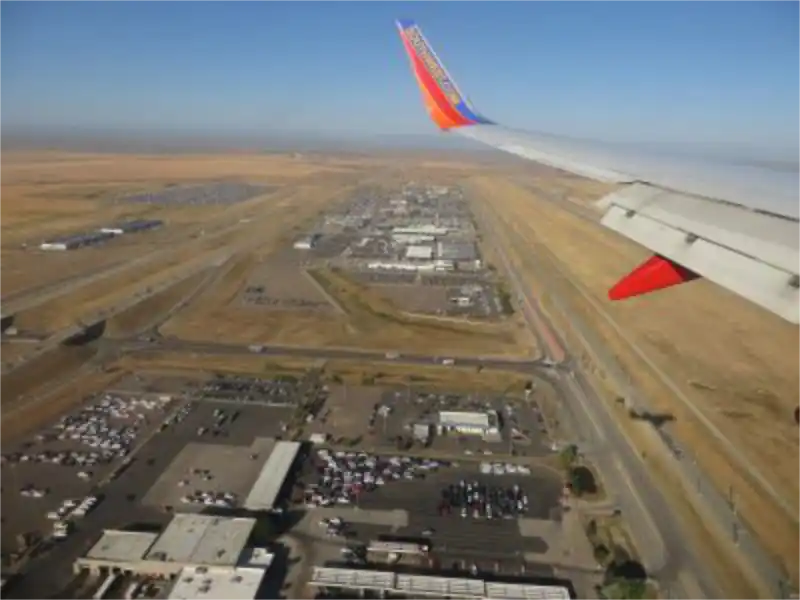
The most turbulent U.S. domestic route is between Albuquerque (ABQ) and Denver (DEN), with an average EDR of 17.6. This is closely followed by flights between Denver and Jackson Hole, and Jackson Hole to Salt Lake City. These routes repeatedly cut across high-altitude terrain and are vulnerable to both mountain waves and sudden jet stream shifts.
Even short-haul flights, like the Ontario to San Diego hop (EDR 16.4), highlight how coastal airflows and inland mountains can create microbursts of turbulence. With major airlines like United and Southwest operating these routes regularly, turbulence has become a routine operational challenge.
Europe’s Alpine Agitation: Switzerland Takes Center Stage
Though Europe sees fewer high-intensity turbulence events compared to other continents, the Alps region is an exception. The flight between Nice (NCE) and Geneva (GVA) currently ranks as the most turbulent in Europe, with an EDR of 16.1.
These routes involve crossing or skimming the Alps, where updrafts can throw aircraft off altitude and into choppy layers. Additional turbulent corridors include:
- Nice to Zurich (EDR 15.5)
- Milan to Zurich (EDR 15.4)
- Geneva to Venice (EDR 14.8)
These routes are typically short, but the unpredictable mountain airflow patterns in the Alps make them deceptively difficult for pilots and unpleasant for passengers.
Asia-Pacific’s Bumpy Patches: Not Just Mountains
In Oceania, turbulence is less aggressive but still notable. The Christchurch to Wellington route in New Zealand leads the region with an EDR of 14.5. While this doesn’t compare to the Andes or Himalayas, the funnel-like terrain around Wellington creates localized turbulence pockets that can jolt aircraft dramatically during approach.
Across the Tasman Sea, routes like Brisbane to Sydney (EDR 14.2) and Melbourne to Sydney (EDR 13.9) demonstrate that even relatively flat geography, when combined with sea breezes and crosswinds, can yield bumpy skies.
Is Turbulence Getting Worse?
According to climate scientists and aviation experts, the answer is yes. Rising global temperatures contribute to stronger jet streams and more erratic atmospheric behavior, especially at cruising altitudes. This makes clear-air turbulence (CAT)—the most dangerous and unpredictable kind—more frequent.
In May 2024, a Singapore Airlines Boeing 777-300ER experienced such turbulence en route from London Heathrow to Singapore, tragically resulting in a passenger fatality and over 100 injuries. The incident occurred at cruising altitude, far from any storm systems, underscoring the unpredictability of CAT.
Research from the University of Reading in the UK has shown that severe turbulence at cruising altitudes has increased by 55% since 1979, particularly along heavily trafficked transatlantic routes.
Safety Protocols and Operational Adjustments
Despite the rise in turbulence incidents, modern aircraft are built to withstand intense G-forces, and turbulence-related accidents remain extremely rare. However, airlines are increasingly investing in real-time turbulence detection systems, dynamic rerouting technology, and enhanced pilot training.
Cabin crew procedures are also evolving. Passengers are now often instructed to keep seatbelts fastened at all times, even when the seatbelt sign is off. Airlines like Delta and American have implemented advanced turbulence forecasting systems integrated with onboard Wi-Fi networks, helping flight crews anticipate and respond faster to adverse conditions.
Conclusion: Knowing Where the Skies Get Bumpy
Understanding which routes are the most turbulence-prone gives travelers an edge in planning, mentally and physically. While turbulence may never be fully avoidable, awareness, preparedness, and smart airline operations can make bumpy skies more tolerable.
So whether you’re flying over the Andes, skimming the Himalayas, or descending into the Alps, know this: turbulence is not a flaw in aviation but a natural force navigated daily by skilled pilots and resilient aircraft.