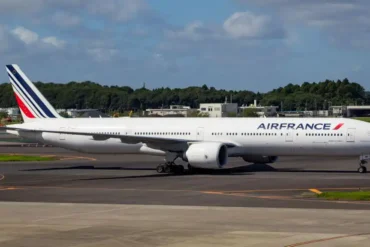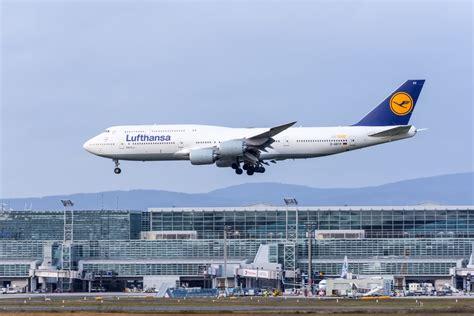
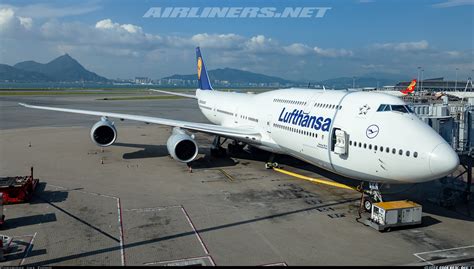
A quiet intercontinental journey between Tokyo Haneda and Frankfurt turned into a tense aerial detour on July 7, 2025, as Lufthansa Flight LH717, a Boeing 747-830, was dramatically rerouted to Hamburg amid powerful cumulonimbus cloud formations across Central Europe. This unexpected diversion not only disrupted passenger plans but also raised pressing concerns about operational resilience during peak summer travel.
Turbulence at 35,000 Feet: When Nature Overrides Technology
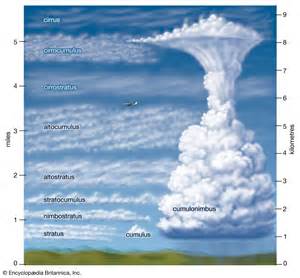
Flight LH717, operating under registration D-ABYL, departed Tokyo at 12:17 JST, carrying hundreds of passengers expecting a seamless 13-hour haul to Frankfurt. But over the European airspace, weather systems began to change rapidly. Cumulonimbus clouds—towering vertical monsters of the atmosphere often linked with severe turbulence, lightning strikes, and wind shear—blocked the flight path.
These convective storm systems were not only tall but sprawling, enveloping corridors leading to Frankfurt with dangerous atmospheric instability. Lufthansa’s seasoned pilots, prioritizing safety over schedule, rerouted the aircraft toward Hamburg Airport, around 500 kilometers north of their original destination.
Disrupted Dreams: Passengers Thrust into Chaos
The mid-air decision caught most passengers off guard. Families with children, business travelers with tight schedules, and tourists heading to further European destinations now faced missed connections, rescheduled meetings, and torn-apart itineraries. For many, the seamless choreography of international travel had devolved into a scramble for answers.
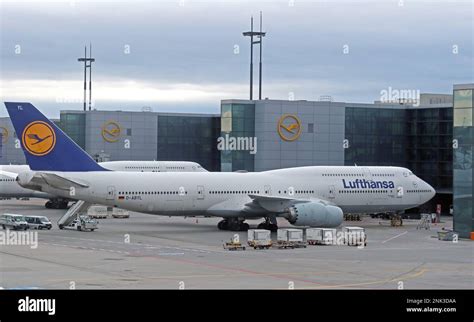
Those expecting to arrive in Frankfurt found themselves in Hamburg, an airport competent in operations but not designed for the sheer volume of a long-haul wide-body like the Boeing 747-830. Baggage handlers, immigration officials, and airline ground staff had to mobilize rapidly, dealing with an aircraft and load never scheduled for their runways that day.
A Critical Blow to Europe’s Summer Travel Surge
Europe in July is always a logistical ballet. In 2025, the stakes are even higher. After years of travel restrictions and economic uncertainty, the continent is experiencing a tourism renaissance. Hotel occupancy is soaring, flights are fully booked, and tourism-related GDP growth is climbing across the EU.
A diversion of this magnitude throws sand in the gears of that machine. Airline crew schedules unravel, aircraft rotations fall out of sync, and slot allocations—especially in high-traffic hubs like Frankfurt—become meaningless. This incident is not just a Lufthansa issue; it ripples across partner airlines, code-share agreements, and airport operations throughout Europe.
Hamburg Airport in the Spotlight
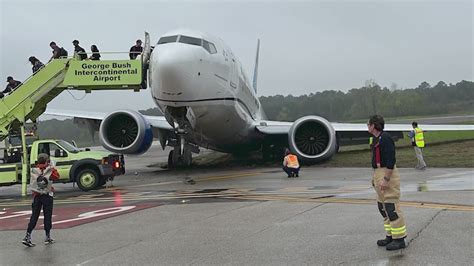
Though not typically a frontline hub for intercontinental Lufthansa flights, Hamburg Airport (HAM) demonstrated notable agility in responding to the emergency diversion. Staff scrambled to position mobile stairs, customs agents, and passenger service units capable of handling one of the largest commercial jets in the world.
It’s a reminder that secondary airports across Europe will need to stay nimble and well-resourced, as climate volatility makes flight diversions more common. For Hamburg, this moment was both a logistical challenge and a visibility opportunity—offering a rare chance to showcase its capability on the international stage.
The Fury of CB Clouds: Unpredictable and Increasingly Common
Cumulonimbus (CB) clouds are not just a weather phenomenon—they are a growing threat to aviation scheduling, safety, and infrastructure planning. Their formation is abrupt, their scale massive, and their behavior erratic. Despite modern radar, meteorological forecasting, and cockpit instrumentation, they remain one of the few forces no pilot dares to challenge directly.
With global warming altering the behavior of atmospheric systems, Europe is seeing more violent summer storms, earlier and more frequently. Even aircraft as robust as the Boeing 747-830—equipped with cutting-edge avionics—must yield when CB clouds block their path. No amount of engineering can substitute for the decision to detour.
Passengers, Policies, and the Fragility of Seamless Travel
For passengers onboard LH717, the experience raises real questions about how airlines, airports, and regulators manage travel disruptions. Missed hotel nights, canceled connecting flights, and rebooked rail journeys translate not just to frustration, but to mounting financial losses for both travelers and the travel industry.
While some passengers may find recourse through EU261 passenger rights or comprehensive travel insurance, the complexity of claims increases with factors like force majeure (unforeseeable natural events) and airline discretion in rerouting. More and more, weather-related disruptions are pushing airlines to redefine their customer service protocols.
A Test of Lufthansa’s Operational Backbone
Lufthansa, long regarded as a bastion of German precision, punctuality, and reliability, finds itself once again at the mercy of weather. Though the airline acted swiftly and decisively to prioritize safety, the fact remains that even its flagship aircraft and senior crews cannot override meteorological chaos.
Flight LH717, aboard the Queen of the Skies, was rerouted not because of technical failures or human error, but because nature’s fury made the risk of continuing to Frankfurt unacceptable. And in this moment, Lufthansa’s broader ecosystem—from maintenance schedules to route planning—must now recalibrate.
Hamburg as a Surprise Star—And a Warning
This incident has inadvertently elevated Hamburg’s status. The ability to efficiently handle a Boeing 747-830—an aircraft usually reserved for larger intercontinental gateways—without compromising safety or efficiency was commendable. But the moment also reveals a key vulnerability in Europe’s current aviation infrastructure.
Overreliance on major hubs like Frankfurt, Amsterdam Schiphol, and Paris CDG means that any disruption forces airlines into unfamiliar territory. As storms intensify, the continent may need to expand the role of regional airports and empower them with resources to step in when disaster strikes.
Long-Term Impact: Questions Airlines Must Answer
This is not a one-off incident. Aviation industry insiders have long warned of a future where weather unpredictability becomes a systemic issue, not a seasonal one. Airlines must now reckon with:
- Route flexibility: Can planes be re-routed quickly across congested skies?
- Crew scheduling buffers: Are duty hours sufficiently padded to absorb unforeseen diversions?
- Secondary airport readiness: Are non-hub locations trained and tooled to manage widebody landings?
These are not just technical questions—they’re economic and strategic. The future of aviation may hinge less on faster aircraft and more on agile operational networks that can respond to sudden meteorological upheaval.
The Human Element: A Skyborne Reminder
For passengers, the diversion was more than a change in landing strip—it was a raw, unexpected confrontation with nature’s unbending authority. As the Queen of the Skies touched down in Hamburg instead of Frankfurt, it reminded all onboard that despite decades of progress in aviation, the heavens still hold their mysteries.
At present, Lufthansa is working to rebook, reroute, and reimburse affected travelers. Tail number D-ABYL remains grounded temporarily as the airline realigns schedules. Passengers disembarked safely, but their journeys became stories to be told—not of smooth landings, but of nature’s will steering modern aviation.
Final Descent: A Wake-Up Call for the Skies
The saga of Lufthansa Flight LH717 is not an isolated blip. It’s a case study in the emerging challenges airlines will face more frequently. As summers become stormier and sky routes more volatile, planning for the unpredictable becomes a competitive imperative.
For now, Lufthansa, Hamburg, and Europe’s travelers recalibrate, reassess, and recover. But the clock is ticking. Every diverted flight is a hint of a future where agility, not just punctuality, defines excellence in aviation.