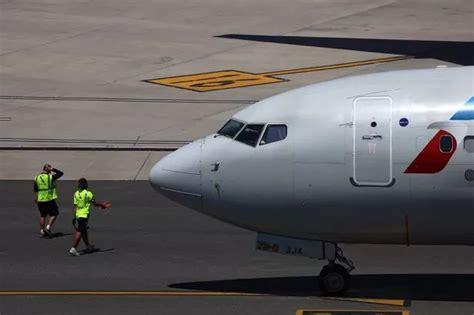
American Airlines Flight 1847, scheduled to fly from San Juan, Puerto Rico to Dallas, Texas, was abruptly forced to make an emergency landing on Sunday, July 6, 2025, after a misunderstanding involving a text message triggered mass panic in the cabin. The chain of events began with a single word — “R.I.P.” — misread by a fellow passenger as a sinister threat, but ended up causing a full-scale aviation emergency, disrupting travel for nearly 200 people.
Routine Takeoff, Then Rapid Descent Into Chaos
Shortly after takeoff, the Boeing 737 carrying 193 passengers began its ascent on what was supposed to be a routine flight across the Gulf of Mexico. But just 30 minutes into the journey, a woman seated beside another passenger spotted a message on her neighbor’s phone that read “R.I.P.” The acronym, commonly known as shorthand for “Rest in Peace,” immediately raised alarms in her mind. Without context or further questioning, the woman jumped to the conclusion that it was a coded threat — possibly indicating a premeditated act of violence aboard the aircraft.
Her fears escalated quickly. She notified the flight crew, prompting them to declare a “Level Three” emergency, a serious alert typically reserved for credible threats to aircraft safety. Following strict protocols, the pilot executed an urgent U-turn and rerouted the aircraft back to San Juan, where security teams were placed on high alert.
Grounded in San Juan: Security Response in Full Force
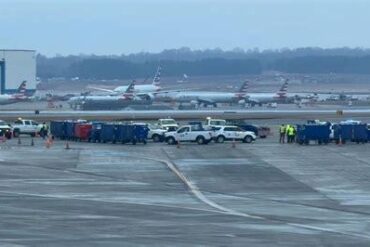
Upon returning to Luis Muñoz Marín International Airport, passengers were disembarked and secured, while a thorough investigation was immediately launched. The passenger who received the message was questioned by officials from the Puerto Rico Office of Explosives and Public Safety. Authorities searched the aircraft, scrutinized digital devices, and verified the content of the now-infamous text.
What they found was both tragic and telling — the “R.I.P.” message had been sent by a grieving family member, expressing condolences after the traveler had suffered a personal loss. The individual was en route to Dallas to attend a funeral. With no sign of malicious intent, no explosives, and no threats uncovered, the situation was rapidly deescalated.
After nearly two hours on the tarmac, the same aircraft was cleared for takeoff. Flight 1847 resumed its journey and successfully landed in Dallas that afternoon, with no further incidents.
A Nation Reacts: Outrage, Humor, and Reflection
News of the bizarre diversion went viral within hours. Social media platforms buzzed with mixed reactions, ranging from sharp criticism to sarcastic memes. Many condemned the overreaction and called for accountability:
- “She should be billed for the diversion,” wrote one commenter on X (formerly Twitter).
- “Next time, maybe ask what the message means before hitting the panic button,” another user posted.
The incident sparked larger conversations about over-policing behavior, passenger anxiety, and the post-9/11 culture of hyper-vigilance that still permeates commercial air travel.
Some sympathized with the woman’s anxiety, noting the psychological toll of confined spaces and the responsibilities of speaking up in the face of perceived threats. Others criticized the flight crew’s rapid response, suggesting that a brief inquiry might have clarified the situation without the need for an emergency landing, saving both money and time.
Behind the Scenes: How a Misunderstanding Escalated
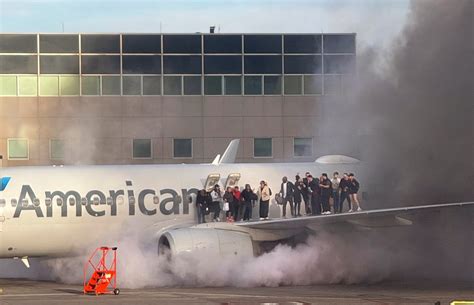
In the high-stress environment of an airplane, where strangers are packed tightly into a metal tube at 35,000 feet, the mind can easily amplify the slightest cues into dangerous possibilities. The flight crew had no choice but to take the report seriously. Declaring a Level Three emergency is not a decision made lightly — it comes with cascading operational consequences, including disrupting airport schedules, activating emergency protocols, and triggering law enforcement intervention.
This event sheds light on a vital reality: modern communication lacks context. A message like “R.I.P.” might be fully benign in one situation, but in a tightly controlled and emotionally charged space, it can take on unintended connotations. Without visual cues or voice inflection, digital text is ripe for misinterpretation.
Lessons in Digital Literacy and Emotional Intelligence
The Flight 1847 incident underscores the urgent need for greater emotional intelligence, digital literacy, and contextual judgment in high-stakes scenarios. Here, a private moment of grief became the accidental spark for public chaos, all because its meaning was misconstrued.
Experts emphasize that crew training programs must now evolve to account not just for physical threats but also for the interpretation of digital behaviors. As passengers increasingly interact via phones, tablets, and smart devices during flights, new boundaries and understanding must be developed to prevent similar escalations.
Airlines, for their part, are caught between zero-tolerance security policies and maintaining the comfort and privacy of passengers. Responding too slowly could lead to catastrophe, but reacting too quickly might incite needless panic.
Was the Emergency Landing Justified?
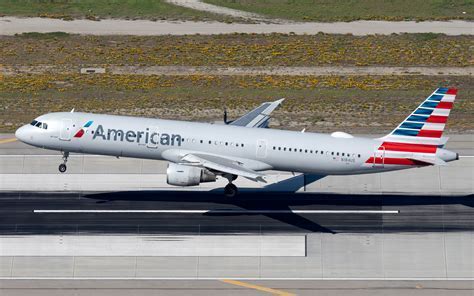
Aviation experts weighed in on whether the flight crew acted appropriately. Captain Elaine Torres, a retired commercial pilot with 25 years of experience, noted:
“Given the information they had, the crew made the right call. You never want to gamble with lives in the air. But yes, this is also a classic example of why context matters.”
Her view was echoed by aviation safety consultant Mike Brenner, who emphasized that crews are trained to err on the side of caution. “We have to treat all threats as credible until proven otherwise. It’s a heavy responsibility.”
Still, there are calls for reform in response protocols, particularly in determining how crew members assess incoming threats. More precise onboard threat assessment tools or in-the-moment digital forensics may be needed to better distinguish genuine risks from harmless content.
Broader Implications for Airline Operations
The diversion cost American Airlines tens of thousands of dollars in fuel, crew overtime, airport fees, and compensation for passengers with missed connections. But beyond the economic hit, the airline now faces a public relations challenge in addressing passenger concerns over privacy and perceived overreach.
The company released a brief statement:
“We regret the inconvenience caused by the unscheduled landing of Flight 1847. Safety remains our top priority, and we commend our crew for their swift actions.”
While the message attempted to close the chapter, for many travelers, the story highlighted a deeper need for clarity around how emergencies are handled — especially when triggered by subjective interpretations.
Moving Forward: Protocol Updates and Awareness
This incident is likely to influence policy discussions at both the Federal Aviation Administration (FAA) and individual airlines. While no formal investigation has been announced, internal reviews are almost certain to follow.
Airline industry analysts expect:
- Updates to crew training materials to emphasize context analysis
- New in-flight communication procedures for investigating claims discreetly
- Passenger education on reporting suspicious behavior responsibly
A High-Altitude Reminder of Grounded Truths
Flight 1847’s unscheduled landing may have stemmed from a single misunderstood word, but it opens a larger window into how humans communicate — and miscommunicate — in stressful environments. What began as a digital whisper of condolence became a blaring siren of imagined danger. In the confined, pressurized world of air travel, words matter more than ever.
The incident is a reminder that safety and reason must coexist. It’s a call for empathetic understanding, technological literacy, and disciplined reaction from both passengers and crew. As American Airlines and the broader aviation community digest the lessons from this day, one truth remains clear: vigilance should never come at the cost of wisdom.
The skies may be safer than ever, but as long as human emotion and digital messages share the cabin, stories like this may remain part of the airborne experience.