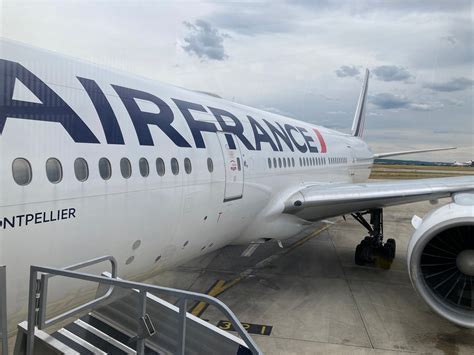
A mid-air emergency disrupted what was supposed to be a routine long-haul journey when Air France Flight AF460, en route from Paris-Charles de Gaulle Airport (CDG) to São Paulo’s Guarulhos International Airport (GRU), was forced to divert to Bordeaux-Mérignac Airport (BOD) due to a cabin smoke scare. The incident, which occurred on June 17, 2025, has sent shockwaves through the aviation community, raising serious concerns about in-flight safety, emergency response preparedness, and aircraft maintenance standards.
The Incident: A Transatlantic Crisis at 31,000 Feet
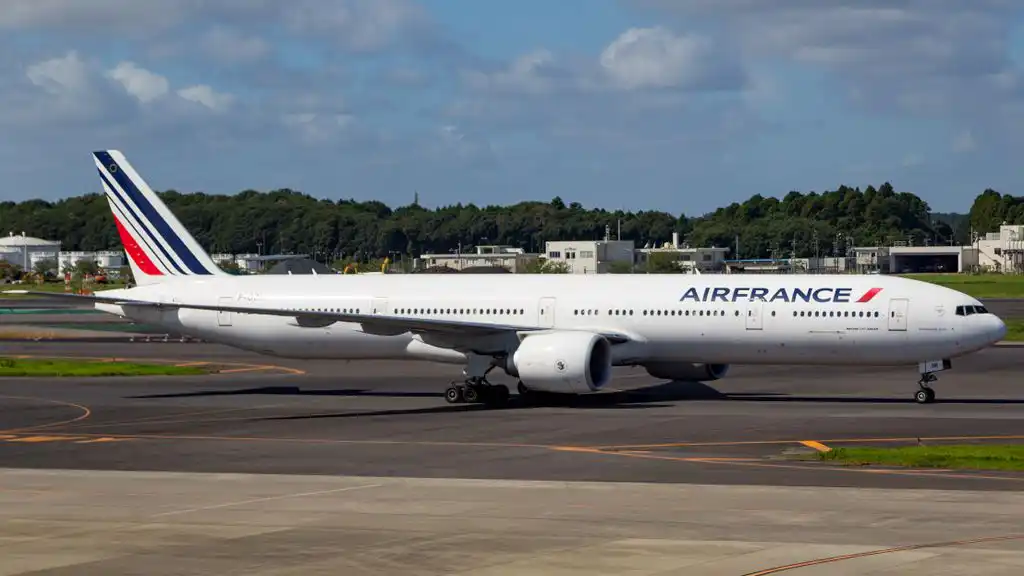
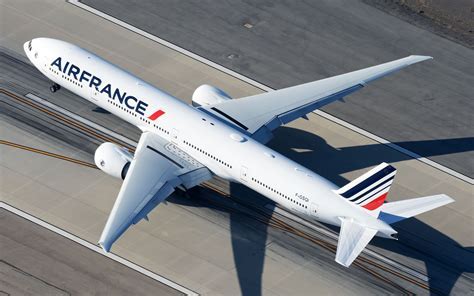
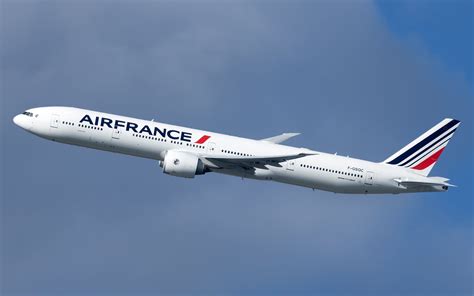
Flight AF460, operated on a Boeing 777-300ER registered as F-GSQG, took off from CDG at approximately 10:29 CEST. About one hour into the journey, while cruising steadily at 31,000 feet, a strong burning smell was detected in the cabin, reportedly by both crew and passengers. The source of the smoke was not immediately clear, triggering immediate emergency protocols onboard.
In a swift and decisive response, the cockpit crew issued a Squawk 7700—the universal code for a general emergency—alerting air traffic control and initiating a controlled descent to 20,000 feet. The flight then veered sharply off its transatlantic course, heading east toward Bordeaux. Onboard, passengers sat frozen in fear, many unaware of the full extent of the emergency unfolding above the clouds.
The aircraft made a safe landing on Runway 05 at Bordeaux-Mérignac Airport just 1 hour and 38 minutes after departure. Emergency response teams were already stationed on the tarmac as the plane touched down, prepared for any eventuality. Fortunately, no injuries were reported, and the smoke subsided soon after the descent.
Passenger Experience: Tension, Uncertainty, and Relief
The onboard experience was harrowing. Several passengers reported seeing smoke haze in the forward section of the aircraft, while others described a pungent, metallic odor that persisted for several minutes. Cabin crew, trained for such high-stakes scenarios, acted swiftly to reassure travelers, distributing oxygen masks and directing passengers to stay calm and remain seated.
Though no evacuation was necessary upon landing, the fear lingered. Passengers disembarked under supervision and were transported to the terminal, where Air France ground staff began arranging rebookings, accommodations, and support.
For many, the experience brought back memories of high-profile aviation incidents and reignited personal travel anxieties. Some were reportedly still in shock hours after landing, highlighting the psychological toll such emergencies can inflict.
Operational Fallout: Logistics in Disarray
This emergency has triggered a significant disruption across Air France’s long-haul network. Flight AF460 is a critical link between Europe and South America, operating one of the busiest transatlantic corridors. The diverted aircraft not only missed its São Paulo destination but also threw connecting itineraries, cargo transfers, and hotel bookings into chaos.
With Bordeaux unprepared for international transfers of this magnitude, many passengers were rerouted through alternative hubs, while others were put on standby for replacement aircraft. The cascading effect included delays in Paris, reconfigurations at São Paulo, and reassignments across code-share flights under the SkyTeam Alliance.
Tour operators are now left scrambling to adjust plans, especially with São Paulo serving as a gateway to regional events, festivals, and conferences. For business travelers and tourists alike, the delay has meant lost opportunities, missed meetings, and extended accommodations.
The Aircraft: A Spotlight on Boeing 777-300ER
The aircraft at the center of this emergency, the Boeing 777-300ER, is widely regarded as one of the safest and most dependable long-haul jets in service. With a range exceeding 13,000 kilometers and a strong safety record, it is a staple of intercontinental routes.
That said, any incident involving cabin smoke on such an aircraft is bound to attract scrutiny. The exact source of the smoke remains under investigation. Preliminary assessments suggest a possible electrical fault or malfunction within a cabin system, but both Air France and Boeing have yet to issue official statements.
Depending on findings, the incident may prompt:
- Temporary groundings of similar aircraft for inspection
- Issuance of safety bulletins by Boeing
- Review of Air France’s maintenance logs and onboard systems
- Evaluation of in-flight crew response protocols
The European Union Aviation Safety Agency (EASA) and BEA (Bureau d’Enquêtes et d’Analyses) are reportedly involved in the preliminary inquiry, coordinating with airline engineers and technical staff.
Strategic Timing: High Season Complications
The timing of the incident couldn’t have been worse. June marks the start of the high season for transatlantic travel, especially between Europe and Latin America. With summer holidays, major events, and business forums on the horizon, flights to Brazil are currently in high demand.
A temporary removal of one aircraft from service adds significant strain. Other airlines may need to shoulder increased passenger volumes, while Air France might be forced to reshuffle aircraft assignments across its fleet.
Moreover, South America-bound flights face high regulatory and customs constraints, making last-minute route changes complex. This complexity adds layers of difficulty to the already high-pressure environment of international aviation.
Broader Industry Implications: Trust, Safety, and Systems Under Pressure
Aviation analysts are quick to point out that this incident is not an isolated case, but rather a stark reminder of the fragility inherent in global travel systems. From a single cabin malfunction, ripple effects now reach across continents.
- Flight crews must be continuously trained for diverse emergency scenarios
- Communication between airlines, airports, and passengers must be rapid and transparent
- Maintenance schedules must remain rigorous, particularly as aircraft fleets age
Trust in air travel rests heavily on the public’s perception of safety, reliability, and operational excellence. While Flight AF460 ultimately landed safely, the scare has undoubtedly left a mark.
Air France’s Response: Calm, Calculated, and Critical
To its credit, Air France’s response was swift and professional. The crew adhered to emergency protocols, communications were promptly dispatched, and passengers received logistical support upon landing.
Still, the airline must now manage the reputational aftermath. This includes:
- Offering clear and frequent updates on the investigation
- Providing compensation or refunds to affected travelers
- Demonstrating accountability through technical disclosures
- Collaborating with global safety authorities to issue findings
Failure to do so could undermine customer confidence and invite criticism from regulators, consumer advocacy groups, and international aviation bodies.
Moving Forward: What Travelers Should Know
Travelers booked on future AF460 services or other Air France long-haul routes may experience continued delays, reassignments, or aircraft substitutions as inspections proceed. Those affected are advised to:
- Monitor flight status via official airline channels
- Allow additional time for layovers or connecting flights
- Consider flexible booking options when planning travel in the near term
Additionally, passengers should remain informed about airline safety ratings, aircraft models, and flight crew preparedness—factors that can influence both comfort and confidence.
Conclusion: A Wake-Up Call, Not a Catastrophe
The mid-air emergency involving Flight AF460 may have ended without physical harm, but the incident stands as a powerful wake-up call for the aviation industry. In an era of record travel volumes and operational pressure, the margin for error is razor thin.
Aircraft safety is non-negotiable. However, so too is the need for robust systems that can manage disruption with agility and empathy. This event offers lessons not just in emergency management, but also in communication, passenger care, and system resilience.
As investigations continue and the skies resume their rhythm, one truth remains clear: the cost of preparedness is always less than the cost of failure.