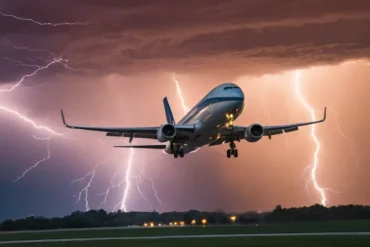
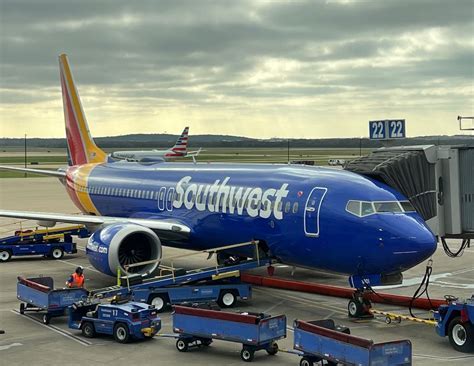
On the night of July 18, 2025, passengers aboard Southwest Airlines Flight 1476 faced a frightening ordeal at Tampa International Airport (TPA) when the aircraft was reportedly struck by lightning while stationed at the gate. The incident, though unusual, serves as a stark reminder of aviation’s ever-present exposure to unpredictable weather events, including lightning strikes. According to Southwest Airlines officials, all passengers were safely evacuated and later rebooked on another flight to Fort Lauderdale, ensuring no injuries resulted from the dramatic sequence of events.
Lightning Strike Incident: A Calm Before the Storm
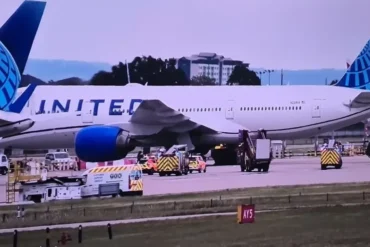
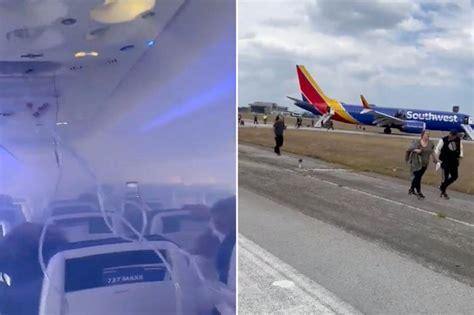
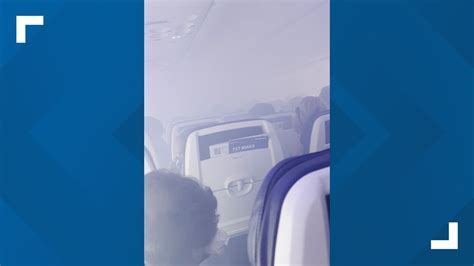
Flight 1476 was in the final stages of pre-departure procedures when disaster nearly struck. Though the aircraft was parked safely at its gate, witnesses reported a sudden flash followed by smoke infiltrating the cabin. This chain of events prompted swift intervention from the ground crew and Aircraft Rescue and Fire Fighting (ARFF) teams stationed at Tampa International Airport.
Passengers, initially unaware of the incident’s specifics, soon found themselves instructed to deplane as smoke filled the interior. Emergency protocols swung into action immediately. Passengers described confusion and tension as they were guided to safety amid flashing emergency lights and the bustle of ground response crews.
Southwest Airlines’ Rapid Response to the Crisis
Southwest Airlines’ response to the potential disaster was both immediate and methodical. “Safety is always our top priority,” the airline emphasized in its official statement. Their maintenance teams were dispatched to conduct a meticulous inspection of the aircraft to ascertain any structural or electrical damage linked to the lightning strike. While initial assessments did not reveal critical hazards, the plane was withheld from service pending exhaustive checks to ensure complete airworthiness before re-entering active service.
Evacuation Triggered by Smoke – The Critical Decision Point
The sight of smoke inside the cabin led to the evacuation decision. Passengers were asked to disembark before any potential escalation could endanger lives. While lightning strikes on commercial airliners, particularly while parked, are statistically rare, they can pose risks to onboard electrical systems, potentially triggering fires or smoke in enclosed environments such as cabins.
Although initial reports attributed the incident directly to the lightning strike, airport officials and investigators have yet to confirm whether the lightning was the precise catalyst for the smoke. Nevertheless, the precautionary measures ensured no injuries occurred, preserving both human life and the integrity of the aircraft.
Understanding Lightning Strikes on Modern Aircraft
According to the National Weather Service (NWS), commercial aircraft are struck by lightning approximately once per 1,000 flight hours. The robust design of modern airplanes allows them to manage such events effectively. Aircraft are constructed with conductive materials and feature systems that enable electrical charges from lightning to travel along the fuselage and exit without causing serious damage.
However, in rare instances, secondary effects such as electrical surges can disrupt onboard electronics or lead to visible incidents like smoke or localized fires. In this case, the aircraft being parked may have mitigated potential damages. However, the smoke development raised urgent safety alarms that demanded immediate evacuation protocols.
ARFF Teams and Ground Crew: The Unsung Heroes
The coordinated response from Tampa International Airport’s ARFF teams and Southwest Airlines’ ground staff played a critical role in ensuring passenger safety. Once smoke was detected, ARFF personnel responded rapidly, inspecting both the interior and exterior of the plane. Their assessments concluded that no imminent threat remained, but thorough follow-up inspections by Southwest’s maintenance crews were mandated to rule out hidden damage.
Despite the absence of visible external damage, smoke inside an aircraft is treated with the utmost severity. Protocols dictate immediate evacuation in such cases, highlighting the airline’s adherence to established safety standards and its prioritization of human lives above operational delays.
Passengers Reaccommodated with Minimal Disruption
Following the incident, all Flight 1476 passengers were successfully transferred to another aircraft. Their travel to Fort Lauderdale continued with only minimal interruptions. Southwest Airlines facilitated rebooking and ensured that affected travelers received accommodations swiftly, maintaining customer service standards amid the unfolding crisis.
Passengers described relief at being prioritized during the ordeal. Several credited the cabin crew’s calm and direct guidance during the evacuation as a key reason for the absence of panic and injuries.
Ongoing Investigations: What Caused the Smoke?
While preliminary reports suggest a lightning strike as the source of the problem, the exact cause of the cabin smoke remains unverified. Both Southwest Airlines and airport officials continue their investigation, seeking to determine whether the electrical discharge from the lightning directly led to onboard system failures or if unrelated mechanical factors played a role.
Federal oversight bodies such as the Federal Aviation Administration (FAA) are likely to monitor the case closely. Findings from such investigations could contribute to updated safety protocols regarding aircraft ground procedures during thunderstorms and storm warnings.
Implications for Aviation Safety Protocols
This incident serves as a critical reminder of the importance of stringent safety measures for commercial airliners. Lightning strike protocols are well-established, but the Flight 1476 event highlights potential gaps in understanding ground-based lightning risks, especially when aircraft are docked at gates and undergoing standard operational checks.
Airlines are expected to enhance crew training, focus on real-time monitoring of weather conditions, and refine their emergency response systems as incidents like this underscore vulnerabilities that, while rare, remain significant. The robust, immediate response by Southwest Airlines may become a case study in effective emergency management under atypical but dangerous circumstances.
Reassurance for the Flying Public
Despite the dramatic nature of the incident, this event ultimately reassures the flying public about modern aviation safety. The safe evacuation, prompt alternative accommodations, and transparent communication underscore the resilience of both airline and airport safety infrastructures.
As commercial aviation continues to evolve amid technological advancements and shifting climatic patterns, airlines like Southwest must adapt to safeguard their passengers against both expected and unforeseen hazards. While the smoke-filled cabin and emergency evacuation might have rattled passengers in the moment, the absence of injuries and the swift containment of the situation reaffirm that passenger safety remains at the heart of commercial air transport.
The aviation industry now awaits the final findings from the ongoing investigation, but one certainty remains: when lightning strikes, preparedness and professionalism can spell the difference between disaster and safe passage.