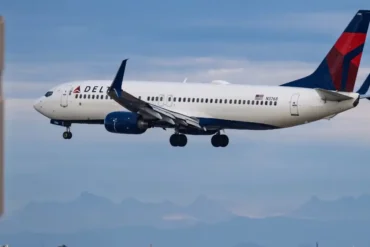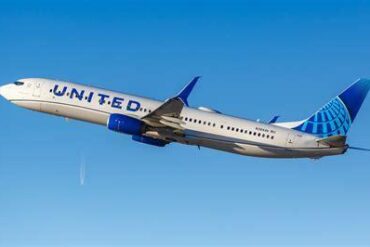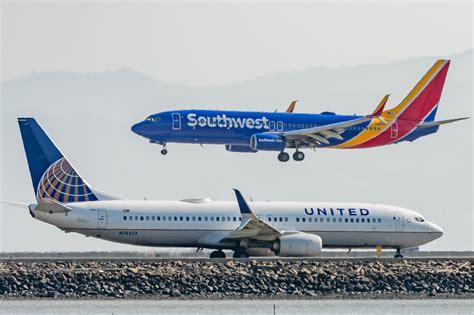
A United Airlines Boeing 737-700 operating as Flight UA-1269 was forced to make an urgent return to Albuquerque International Sunport Airport (ABQ) after encountering a cabin pressurization malfunction during climb-out. The aircraft, registered N13720, had departed for Chicago O’Hare International Airport (ORD) on a routine service before experiencing a sudden drop in cabin pressure that nearly triggered the automatic deployment of oxygen masks.
Incident at 28,000 Feet: A Near-Crisis Averted
The aircraft had just passed 28,000 feet (FL280) when the crew noticed a rapid loss in cabin pressure. According to data from FlightAware, the aircraft leveled off quickly and the pilots alerted air traffic control (ATC) about the situation. As a safety measure, they decided to abandon the climb and return to Albuquerque.
The seriousness of the issue became evident when the cockpit informed ATC that passenger oxygen masks were nearly deployed—an action that is triggered by automated systems if cabin pressure drops below safe thresholds. Fortunately, the masks did not deploy, and the aircraft managed to regain stable pressurization before descending for landing.
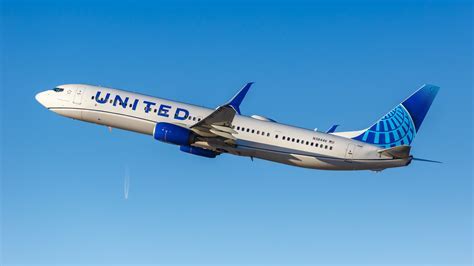
Upon arrival back at the terminal, passengers disembarked safely, though rattled. The jet was taken out of service for inspection and troubleshooting. According to United Airlines, no injuries were reported, and the situation was handled according to safety protocols.
Mechanical Review and Return to Service
After undergoing a thorough technical inspection on the ground, the 737-700 remained parked at ABQ for 21 hours before it was cleared to return to service. The cause of the pressurization failure has not been publicly disclosed, but early indications suggest it was a transient mechanical fault within the air conditioning and pressurization control systems—a critical subsystem for all high-altitude commercial aircraft.
In the meantime, United arranged for a replacement aircraft, a Boeing 737-900 registered N69804, to continue the journey to Chicago. Passengers reached their final destination with a delay of approximately six hours.
Cabin Pressurization Systems: A Vital Safety Mechanism
Aircraft pressurization is essential for maintaining a breathable atmosphere in the cabin during flight, particularly above 10,000 feet. Modern jets like the Boeing 737-700 are equipped with automated pressurization controllers, fed by bleed air from the engines, to manage internal air pressure.
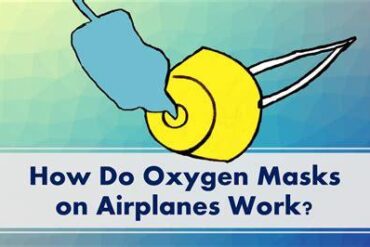
In case of failure, commercial aircraft are designed to descend rapidly to safer altitudes. During a decompression event, oxygen masks automatically deploy for passengers. These masks provide supplemental oxygen for around 12–15 minutes—sufficient time for pilots to execute an emergency descent.
Pilots, on the other hand, have access to advanced oxygen masks connected to high-flow oxygen systems. These masks are designed to support longer durations of oxygen use and are integrated with their headsets to ensure communication is maintained throughout an emergency.
The redundancy built into modern aircraft systems ensures that incidents like the one on UA-1269 are rare and usually manageable without loss of life or major injury. Training plays a significant role, with flight crews undergoing frequent simulations and drills to handle such emergencies efficiently.
Not an Isolated Incident: Pressurization Woes in Recent Months
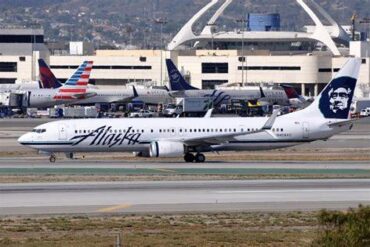
This latest episode joins a worrying trend of cabin pressurization failures that have occurred across multiple airlines in recent months. Just earlier this month, Alaska Airlines Flight 825, a Boeing 737-900ER, experienced a similar problem while en route from Seattle-Tacoma International Airport (SEA) to Hawaii. That flight also returned to its point of origin about 90 minutes after takeoff due to a sudden pressurization failure.
While none of these incidents have resulted in fatalities, they have added fuel to a growing conversation around the reliability of Boeing aircraft, particularly the 737 line. These issues come at a time when Boeing is already battling a storm of legal scrutiny and public skepticism.
Boeing Under Pressure: Legal and Safety Storms Mount
The American aircraft manufacturer has been under intense examination following several high-profile incidents. Among them is the ongoing lawsuit related to a door plug blowout aboard a 737 MAX 9, which left passengers traumatized.
According to legal filings obtained by LAW360, the incident inflicted both physical and psychological injuries:
“The event physically injured some passengers and emotionally traumatized most if not all aboard. Passengers were shocked, terrorized and confused, thrust into a waking nightmare, hoping they would live long enough to walk the earth again.”
Such statements underscore the emotional toll of safety failures, regardless of whether mechanical systems ultimately function as designed. These recent developments have left both Boeing and airlines on the defensive, reinforcing the need for enhanced maintenance scrutiny, transparency, and swift corrective actions.
The Bigger Picture: Boeing’s Safety Legacy Tested
The Boeing 737 is one of the most ubiquitous airliners ever built, with over 11,800 units delivered since its debut in 1968. Despite its long-standing reputation for reliability, recent events have tarnished the aircraft’s image. Tragic accidents involving the 737 MAX series and now persistent technical issues with even older variants like the 737-700 have amplified global concerns.
Last week, a Boeing 787 Dreamliner crash in India further exacerbated the situation. Although no official cause has yet been released, both black boxes have been recovered, and investigations are ongoing. Aviation watchdogs worldwide, including the Federal Aviation Administration (FAA), are closely monitoring the situation. However, no immediate groundings of the 787 fleet are planned pending further analysis.
Aviation Safety: The Unseen Infrastructure Keeping Flights Secure
It’s easy to take air safety for granted in an era where millions fly every day with few notable issues. However, when something like a pressurization failure happens, it throws a spotlight on the layers of technology, engineering, and human training that keep modern aviation safe.
United Airlines Flight UA-1269 may have returned without incident, but the situation was a stark reminder of the critical importance of cabin pressure systems. Even a minor malfunction at high altitude can lead to catastrophic outcomes if not addressed swiftly and correctly.
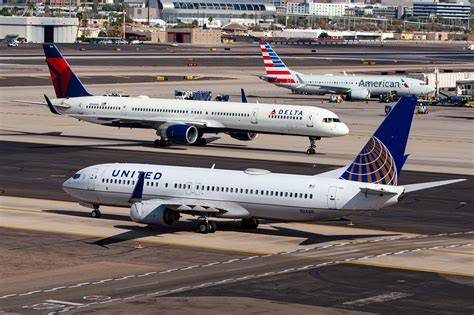
In this case, the crew’s decision-making, the aircraft’s resilience, and United’s operational response combined to ensure a safe outcome. Still, it poses larger questions about preventive maintenance, system redundancy, and public trust in commercial aviation manufacturers.
Conclusion: One Incident, Many Lessons
The diversion of United Airlines Flight UA-1269 may not dominate global headlines, but its significance within the context of recent events cannot be ignored. It serves as both a cautionary tale and a case study in how close calls can validate safety protocols.
As Boeing navigates its current challenges, incidents like these will be scrutinized not only for their immediate cause but for what they reveal about systemic reliability and procedural preparedness. While flying remains the safest mode of transport, it is the invisible web of alert pilots, intelligent systems, and responsive logistics that keeps passengers safe—day in and day out.