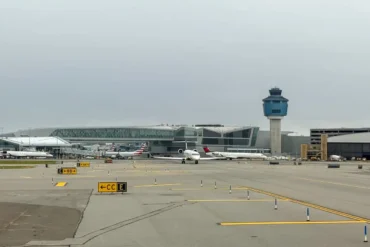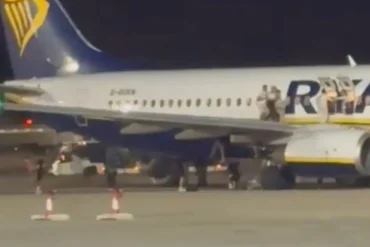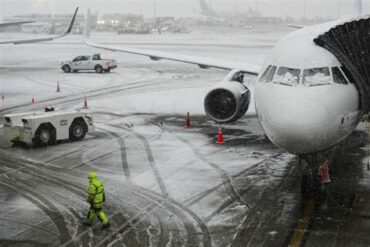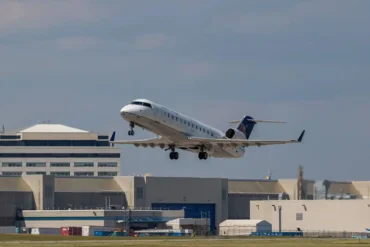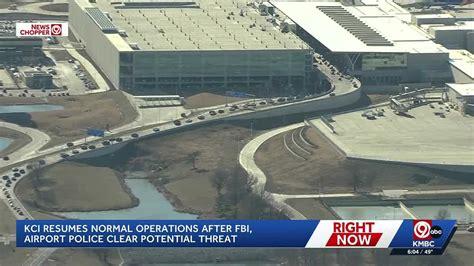
Kansas City International Airport (MCI) returned to normal operations Sunday afternoon after a significant security scare forced the evacuation of thousands of passengers and temporarily halted flight activity. The incident disrupted one of the Midwest’s busiest travel hubs, grounding aircraft and triggering an intensive security response involving airport police and the Federal Bureau of Investigation (FBI). For travelers inside the terminal, the situation unfolded rapidly, turning a routine travel day into a tense and uncertain experience.
The disruption began late Sunday morning when authorities responded to what officials described as a potential security threat inside the terminal. Airport staff quickly initiated evacuation procedures, directing passengers away from concourses and public areas. Nearly 2,000 passengers were forced to leave sections of the terminal as investigators assessed the situation. Incoming flights were temporarily held on taxiways while departing aircraft remained grounded, creating an immediate ripple effect across airline schedules.
By early afternoon, officials confirmed the airport had been cleared and reopened, allowing operations to resume. Yet the event marked the second major security incident at Kansas City International Airport in less than three months, raising questions about how such threats continue to disrupt air travel across the United States.
Emergency Evacuation Sends Thousands of Travelers Outside
Witness accounts from passengers inside the terminal paint a vivid picture of the moment authorities ordered the evacuation. According to travelers who spoke with reporters, airport staff urgently instructed everyone to leave the area without delay.
Passengers quickly gathered their belongings and moved toward exits as security personnel secured the facility. The sudden order created a wave of urgency as travelers attempted to exit the building while maintaining calm.
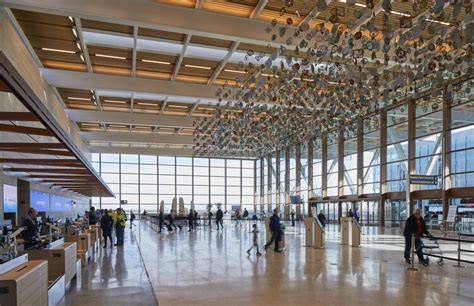
One traveler, Logan Hawley, described the experience as abrupt and unsettling. Airport staff reportedly shouted instructions for everyone to “immediately evacuate,” prompting hundreds of travelers to rush out of seating areas and toward terminal exits.
Outside the terminal, passengers waited in designated safe areas while law enforcement searched the building. Some individuals were directed onto sections of the tarmac, where they remained until authorities determined the terminal was safe.
Security teams deployed bomb-sniffing K9 units, and police officers conducted thorough sweeps of concourses and public spaces. The coordinated response involved both local law enforcement and federal authorities, reflecting the seriousness with which potential aviation threats are treated.
Flights Grounded and Delays Spread Across Airlines
While the evacuation was underway, all aircraft operations at the airport temporarily paused. Flights that had already landed remained stationary on taxiways while crews awaited clearance from security officials.
The disruption quickly cascaded across airline schedules.
Flight tracking service FlightAware reported that by 3:00 PM local time the airport had experienced 146 flight delays. Airlines operating the largest number of flights at MCI felt the greatest impact.
The delays affected major carriers including:
- Southwest Airlines: 76 delayed flights
- Delta Air Lines: 16 delayed flights
- American Airlines: 13 delayed flights
Southwest Airlines, which maintains a significant presence at Kansas City International Airport, confirmed that four inbound flights were diverted to alternate airports during the incident. Despite the widespread delays, only two flights were ultimately canceled, and it remains unclear whether those cancellations were directly linked to the security situation.
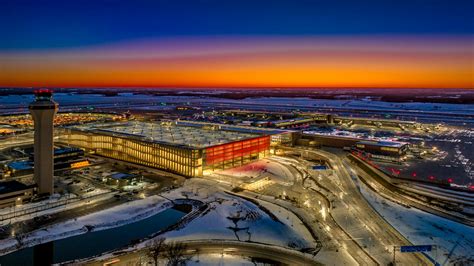
By approximately 2:15 PM, U.S. Transportation Secretary Sean Duffy announced that security teams had cleared the airport and normal operations could resume. Officials emphasized that the precautionary shutdown allowed investigators to safely evaluate the potential threat.
FBI and Law Enforcement Conduct Extensive Security Sweep
Federal authorities played a key role in resolving the situation. The FBI worked alongside airport police to investigate the reported threat and determine whether it posed any real danger.
According to officials, investigators conducted a full security sweep of the terminal before allowing passengers to re-enter. FBI Director Kash Patel later confirmed that the facility had been “swept and cleared”, indicating that no credible threat was discovered during the investigation.
Despite the lack of confirmed danger, authorities emphasized that every threat must be treated as potentially real until proven otherwise. Aviation security protocols require comprehensive inspections whenever suspicious activity or threats are reported.
Patel underscored the seriousness of such incidents, noting that false threats involving aviation facilities constitute federal crimes. Investigators will continue reviewing evidence to determine whether the incident involved deliberate misconduct or a misunderstanding.
A Pattern of Security Scares at Kansas City International
Sunday’s disruption follows a similar security incident that occurred on December 31, 2025, when the airport faced another major evacuation triggered by a potential bomb threat.
In that case, authorities initially suspected a device had been placed in a bathroom near baggage claim. The terminal was evacuated and locked down while security teams investigated the report. Ultimately, law enforcement determined there was no credible explosive threat.
The New Year’s Eve scare was not isolated. Several other U.S. airports received threatening emails that same day, including facilities in Ohio, South Dakota, and Virginia, highlighting the ongoing challenge authorities face in responding to anonymous or unverified threats.
Security concerns involving aviation infrastructure remain a constant focus for federal agencies. Airports are complex environments where thousands of travelers converge daily, making rapid response procedures essential when potential threats arise.
Recent Airline Incident Adds to Security Concerns
The Kansas City evacuation also occurred just days after a separate incident involving a Southwest Airlines flight bound for Fort Lauderdale. The aircraft was forced to divert to Atlanta after a possible onboard threat triggered emergency procedures.
After landing, a SWAT team boarded the aircraft to investigate the situation. Passengers experienced several tense moments as authorities searched the plane. While some travelers speculated about a possible bomb threat, investigators ultimately found no dangerous items onboard.
One passenger was removed from the aircraft, though officials have not disclosed details about what prompted the diversion. Authorities also have not confirmed whether that individual will face charges.
Southwest later arranged another aircraft to transport the remaining passengers to Fort Lauderdale, allowing the journey to continue after the security investigation concluded.
Heightened Vigilance in an Era of Aviation Security Risks
Events like the Kansas City airport evacuation demonstrate how seriously aviation authorities treat even unverified threats. Modern airport security relies on rapid evacuation protocols, coordinated law enforcement response, and advanced detection tools to ensure passenger safety.
While Sunday’s incident ended without confirmed danger, the disruption highlights the fragile balance between safety and the smooth flow of global travel. In aviation security, caution often means temporary chaos—but it is precisely that caution that keeps millions of passengers safe each day.