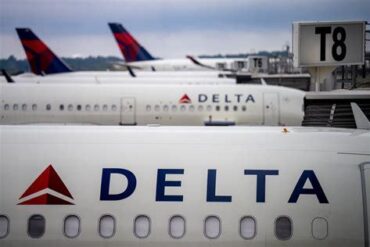
As 2025 drew to a close and millions of travelers surged through airports across the United States, two major air travel hubs—Kansas City International Airport (MCI) and Cleveland Hopkins International Airport (CLE)—faced serious operational disturbances due to security threats that unfolded on New Year’s Eve. These events triggered evacuations, ground stops, and widespread flight delays, spotlighting the fragile balance between traveler safety and uninterrupted airport operations.
Suspicious Emails Spark Bomb Threat Investigations
On December 31, 2025, multiple suspicious emails were reportedly received by FAA offices, warning of bomb threats at a number of U.S. airports. Among the most prominent targets were Kansas City and Cleveland, both of which responded with swift law enforcement intervention.
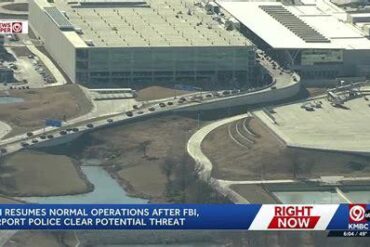
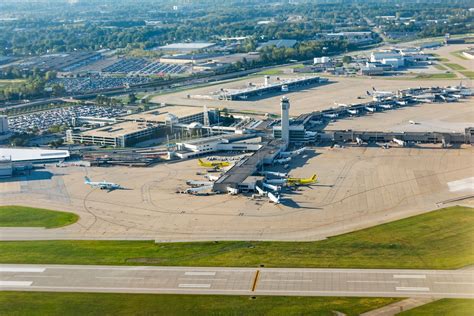
In Kansas City, the investigation began just before noon. Authorities evacuated portions of the terminal while airport police and FBI agents were dispatched to conduct a meticulous sweep. The inspection lasted slightly over an hour, causing moderate flight delays and visible passenger anxiety. However, the all-clear was eventually given after no credible threat was identified.
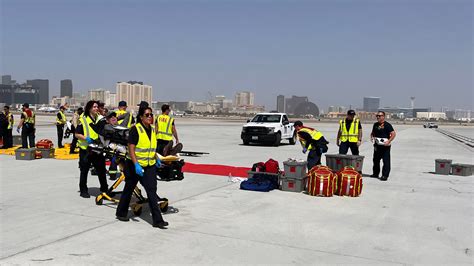
Just as calm was being restored in Missouri, chaos shifted east. At 1:30 PM, the FAA issued a ground stop at Cleveland Hopkins International Airport following a similarly phrased threat. Local police and security officials launched an immediate inspection, grounding outbound flights and halting arrivals. Although the order was lifted within 45 minutes, residual delays cascaded throughout the afternoon, complicating flight schedules and crew rotations across the region.
Operational Fallout: How False Threats Cripple Airports
While no explosives or tangible security threats were discovered in either case, the impact was profound. Airports, by protocol, must respond with maximum caution to any suggestion of a bomb threat. This typically involves:
- Evacuating affected terminal zones
- Pausing or halting flight operations
- Conducting coordinated sweeps with K-9 units, bomb squads, and federal agencies
These procedures, although essential for ensuring passenger safety, introduce chaos into an already complex web of logistics. Flights are rerouted, crews are misplaced, and aircraft may miss scheduled maintenance windows. Even a 45-minute disruption can ripple across an airline’s national network, causing hours of delays and missed connections.
Holiday Travel Collides with Crisis Response
New Year’s Eve sits squarely within the busiest holiday travel window in the United States. According to TSA data, this period often sees record-setting passenger volumes, making any disruption particularly damaging.
Simultaneously, seasonal weather phenomena—especially snowstorms and ice in the Midwest and Northeast—are notorious for compounding logistical difficulties. Just days before these bomb threats, snow and sleet battered New York City, grounding flights and clogging runways. Another winter system was sweeping through the Midwest on December 31, further narrowing airlines’ room to maneuver.
In such an environment, even a false security alarm stretches airport resources to the brink. Passengers are stranded, terminals become overcrowded, and the airport workforce is pushed to its operational limits. In Kansas City and Cleveland, the confluence of bad timing, high passenger traffic, and emergency protocols proved especially disruptive.
The Anatomy of a False Alarm: Why Airports Must Respond Every Time
Security experts emphasize that even when the majority of threats turn out to be hoaxes, they must still be treated with utmost seriousness. Each bomb threat triggers a predetermined sequence of actions:
- Triage and threat assessment by FAA and local law enforcement
- Terminal evacuations of targeted zones
- Searches using bomb-sniffing dogs and detection technology
- Consultation with federal agencies, including the FBI
Although passengers often perceive these delays as overreactions, officials argue that public safety demands zero tolerance. The problem, however, is that malicious actors are increasingly using email-based threats to incite chaos without lifting a finger. Cybersecurity analysts warn that the low barrier of entry for sending threatening emails makes airports especially vulnerable during high-traffic periods.
Airlines Under Pressure: Network-Wide Implications of Delays
When a major airport halts operations—even temporarily—it disrupts far more than just the flights scheduled there. Airlines operate on a hub-and-spoke model, meaning:
- Aircraft and crew assignments are interdependent across multiple cities.
- A ground stop in Cleveland can delay flights in Chicago, Atlanta, or Denver.
- Flight delays often cause crew timeouts, forcing airlines to cancel additional flights.
This cascading effect is intensified during holidays, when there’s limited slack in the system. With most aircraft already in use and few reserve crews available, airlines find it difficult to recover from even modest disruptions.
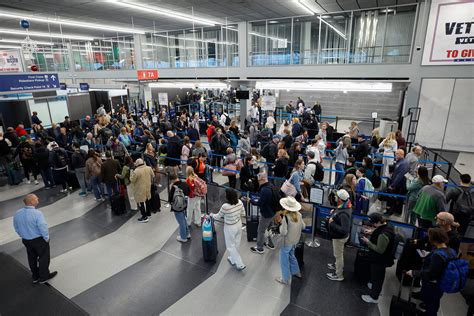
The afternoon of December 31 saw exactly this type of domino effect. Airlines scrambled to adjust, rebook, and reroute passengers affected by the Kansas City and Cleveland ground stops. Some carriers issued waivers, allowing passengers to rebook flights without penalty.
Behind the Scenes: How Airports Coordinate Emergency Responses
Modern airports like MCI and CLE have robust Incident Response Plans (IRPs) designed for crises like bomb threats. These plans involve:
- Rapid coordination with federal agencies like the TSA and FBI
- Communication protocols for airline partners
- Passenger information systems to relay updates or evacuation orders
Insiders say the New Year’s Eve responses showcased the effectiveness of these systems, even if the threats were ultimately baseless. However, critics argue that post-incident passenger care—including rebooking, meal vouchers, and accommodation for stranded flyers—remains an area of weakness.
False Threats Are Rising—But So Is Airport Vigilance
A disturbing trend is the rise in hoax threats directed at critical infrastructure, particularly during holidays. These threats aim to exploit peak vulnerabilities, either for ideological reasons or as acts of disruption.
The FAA and DHS are increasingly concerned about the weaponization of digital communication in sowing panic. In response, they are:
- Enhancing email filtering and threat detection tools
- Training airport staff for more efficient threat validation
- Improving interagency coordination during multi-airport incidents
While it is reassuring that no devices were found and no injuries occurred, these events are stark reminders of the fragile equilibrium in which modern air travel operates. The false bomb threats at Kansas City and Cleveland were not just isolated incidents—they were disruptive nodes in a larger web of vulnerability that airports continue to grapple with.
Looking Ahead: Building More Resilient Airport Systems
As the aviation industry reflects on the events of December 31, 2025, there is growing recognition that more resilient protocols are needed. This includes not only better technological safeguards against hoax threats but also more robust crisis communication plans to keep passengers informed and reassured.
At the same time, travelers can expect heightened vigilance in future peak travel periods. While this might translate to longer lines or more visible security, the tradeoff is an environment where safety is prioritized, even at the cost of convenience.
The New Year’s Eve bomb threats at Kansas City and Cleveland may have been false alarms—but they were a real test of readiness, coordination, and crisis management. As the industry moves into 2026, those lessons will shape how airports prepare for the next challenge.