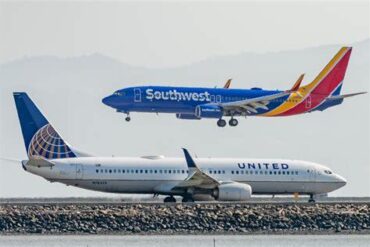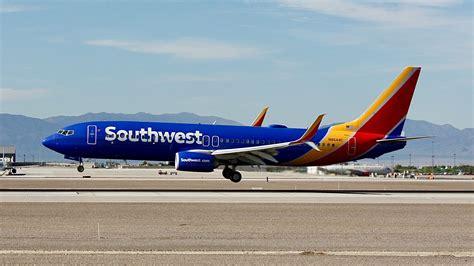
A Southwest Airlines Boeing 737-800 operating as Flight WN-171 was forced to return to Hartsfield–Jackson Atlanta International Airport after a cabin pressurization issue emerged shortly after departure. The aircraft, registered N8691A, had been scheduled to fly to Chicago Midway International Airport, but the malfunction triggered an immediate safety response from the flight crew.
Cabin Pressure Issue Forces Early Turnback
Flight WN-171 departed Atlanta from runway 26L and began a standard initial climb. At approximately 5,000 feet, the crew detected abnormal cabin altitude readings, indicating the pressurization system was not functioning as designed. Because cabin pressure is essential for maintaining safe oxygen levels at altitude, the pilots notified air traffic control and discontinued their climb.
Despite the unexpected situation, the return to Atlanta proceeded smoothly. Roughly 25 minutes after takeoff, the aircraft landed safely on runway 26R with no injuries reported among passengers or crew. The quick turnaround and controlled descent highlight the standard but critical procedures employed when pressurization anomalies occur.
Replacement Aircraft and Passenger Continuation
Once back at the gate, passengers were transferred to a replacement aircraft, a Boeing 737-700 registered N204WN, which ultimately transported them to Chicago with a delay of approximately 2 hours and 30 minutes. Although inconvenient, this delay underscored the airline’s priority on safety over schedule—especially in situations involving essential environmental control systems.
Maintenance crews inspected N8691A following the event, and according to operational data, the aircraft returned to service within 36 hours. By Sunday, November 23, it had already resumed routine operations, including a later flight to Las Vegas International Airport.
Why Cabin Pressurization Matters
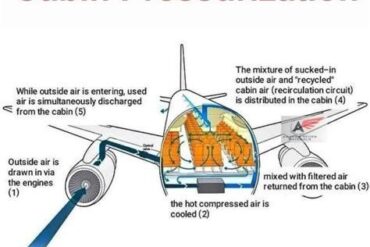
The integrity of a commercial aircraft’s pressurization system is fundamental to high-altitude flight. At cruising levels, insufficient pressure can lead to hypoxia, a dangerous condition where the brain receives inadequate oxygen. In severe cases, hypoxia can incapacitate both passengers and flight crew.
Modern jets like the 737-800 incorporate multiple redundant systems to prevent such an outcome. Even so, when readings deviate from acceptable parameters, returning to a safe altitude—or to the departure airport—is the correct and expected response.
Common minor faults that may trigger a precautionary return include:
- Inaccurate or faulty pressure controllers
- Malfunctioning outflow valves
- Erroneous air-conditioning data
- Small leaks within pneumatic ducting
- Incorrect initial pressurization settings
In this case, inspection records suggest the issue was minor. The aircraft’s quick return to service indicates no major system overhaul was required.
The Boeing 737-800: Still a Workhorse
At just over nine years old, N8691A remains well within the expected service lifespan of a Boeing 737-800, which typically ranges from 25 to 35 years. The aircraft has served solely with Southwest Airlines since rolling out of Boeing’s Renton facility and continues to play a central role in the airline’s dense domestic network.
Context: How Airlines Mitigate Hypoxia Risk
Commercial aviation is heavily engineered to prevent hypoxia events. Cabin altitude is maintained at the equivalent of 8,000 feet or lower, well within safe limits for healthy passengers. Should cabin altitude exceed roughly 14,000–15,000 feet, oxygen masks deploy automatically.
Pilots receive specialized training to identify early hypoxia symptoms—which can include lightheadedness, impaired judgment, and tingling sensations—and to immediately don oxygen masks if needed. Emergency descent procedures can bring the aircraft to a breathable altitude (below 10,000 feet) rapidly and safely.
Incidents like WN-171’s pressurization anomaly remind the public that while aviation systems are meticulously designed and deeply redundant, proactive responses are essential. When the slightest irregularity appears, safety protocols override everything else, ensuring passengers arrive at their destinations unharmed—even if later than planned.